
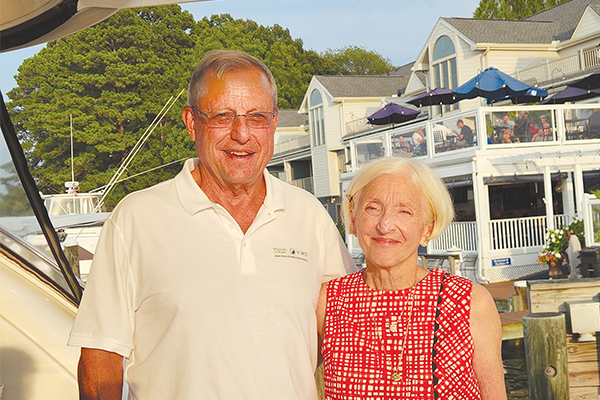
A new, $100,000 unrestricted endowment from Richard Lafftery ’74 and Pamela Lafferty is a continuation of their ongoing philanthropy, volunteer leadership and belief in VIMS' trifold mission of research, education and advisory services.
A new, $100,000 unrestricted endowment from Richard Lafftery ’74 and Pamela Lafferty is a continuation of their ongoing philanthropy, volunteer leadership and belief in VIMS' trifold mission of research, education and advisory services.
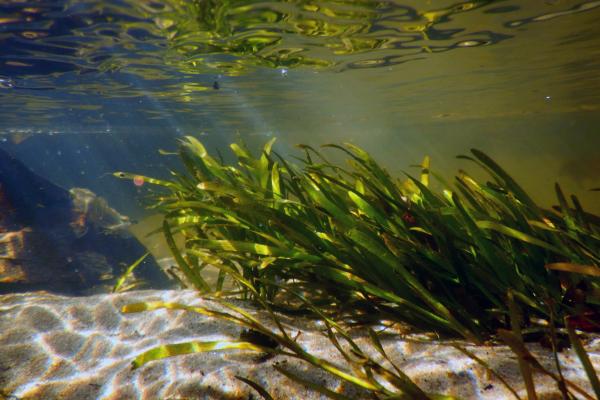
Rain has an outsized impact on the ecology of rivers, according to a new study led by William & Mary’s VIMS & Batten School. Researchers found that less annual rainfall destabilizes stream ecosystems, reducing the complexity of the food webs and reorganizing the distribution of animal mass.
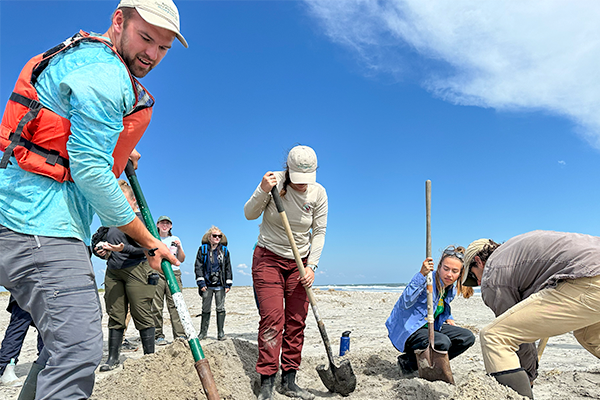
Ph.D. student Matt McCormick has personally seen the collective power of small dollar donations, which have directly supported his research. That's why, during W&M's most recent One Tribe One Day giving event, McCormick made his own small dollar contribution to VIMS & the Batten School.
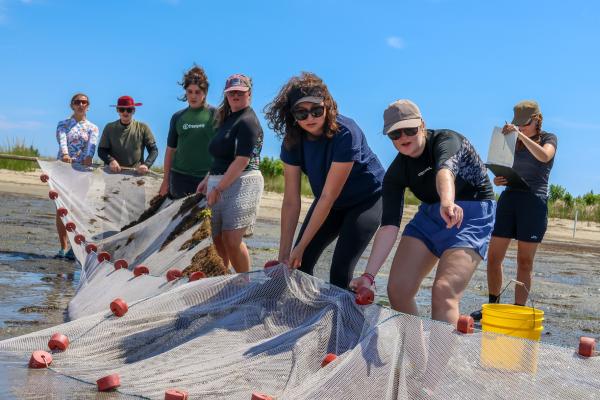
Explore how United Kingdom-based Bangor University's long-running partnership with William & Mary’s VIMS Eastern Shore Laboratory gives marine science students hands-on fieldwork experience, like seining, birding, and dredging.
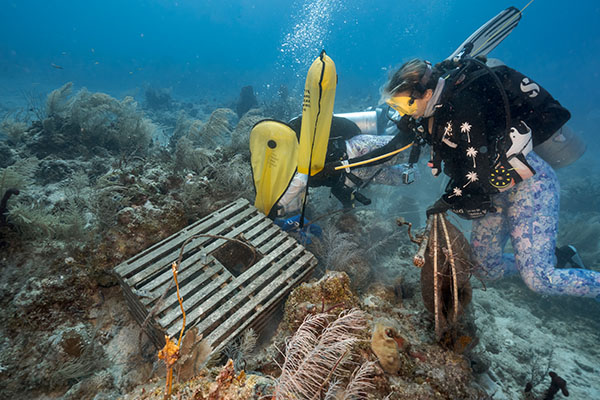
After recovering more than 600,000 pounds of lost fishing traps in just two years, the Nationwide Fishing Trap, Removal Assessment and Prevention (TRAP) Program is announcing 11 new coastal clean up projects in seven states.
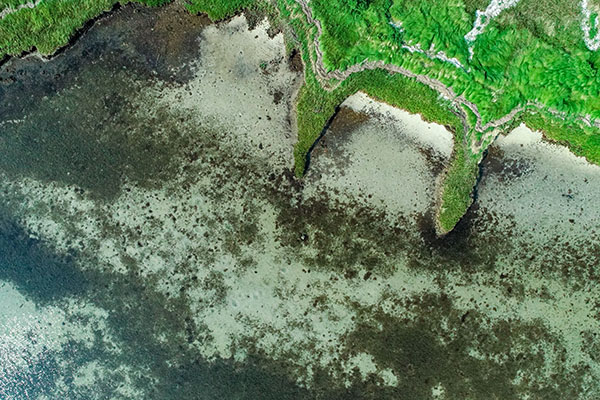
Submerged aquatic vegetation (SAV), one of the Chesapeake Bay’s most important indicators of ecosystem health, increased by 7% to an estimated 89,395 acres in 2025. The largest gains came from the saltiest portions of the Bay.
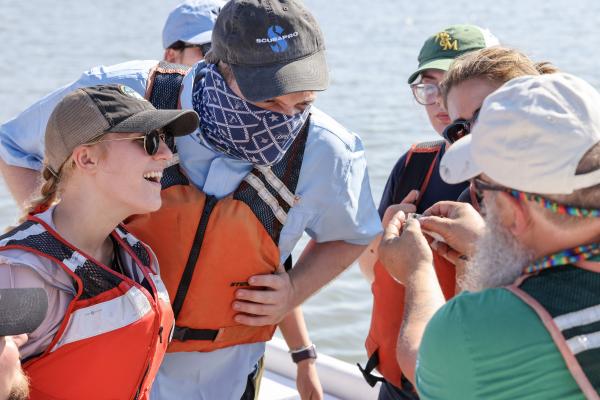
32 new students are joining VIMS & the Batten School this fall, including 18 graduate students entering M.A., M.S. and Ph.D. programs and 14 undergraduate students entering as the second cohort of Stravitz Scholars majoring in coastal and marine sciences.
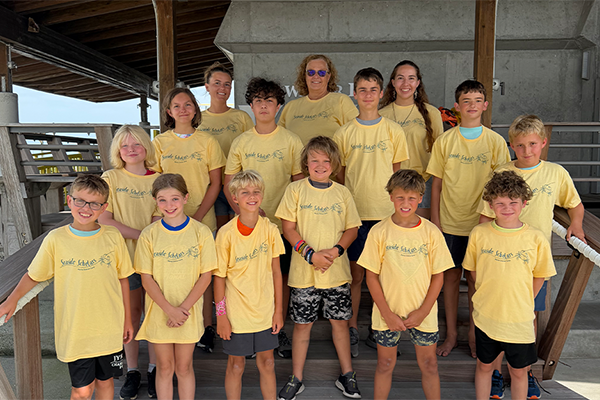
Seaside Scholars is a free summer day camp hosted by W&M's VIMS Eastern Shore Laboratory which gives young learners the opportunity to spend several days exploring local marine organisms and habitats, including dogfish shark dissections and marsh survey research.
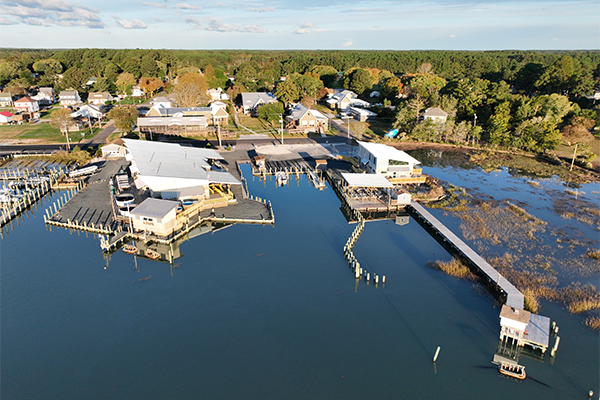
Stacy Krueger-Hadfield is now the fifth director at W&M's VIMS Eastern Shore Laboratory. She joined VIMS ESL in 2024 as assistant director and an associate professor at the Batten School, bringing with her an international academic background and a robust research program.
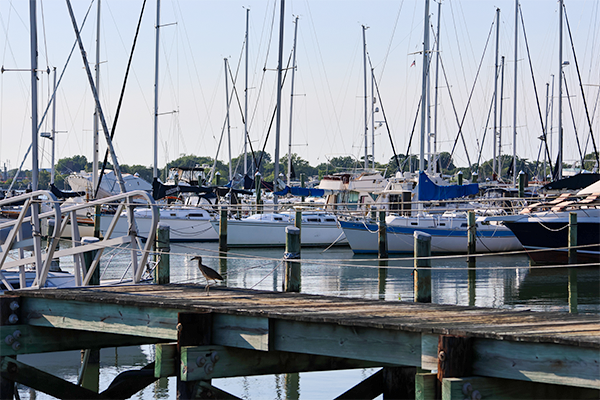
William & Mary’s Virginia Institute of Marine Science (VIMS) has assumed state administration of the Boating Infrastructure Grant (BIG) Program. As administrator of the program, VIMS will help citizens, businesses and municipalities within Virginia apply for these federal funds.
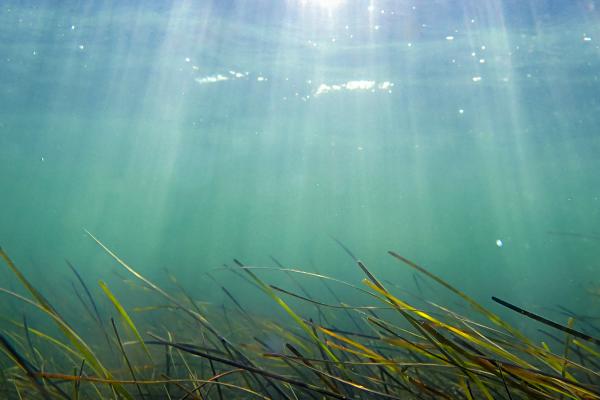
New research led by William & Mary's VIMS & Batten School provides a framework to characterize an ecosystem’s cumulative heat exposure from marine heatwaves and the extended periods of warm water that precede and follow them.
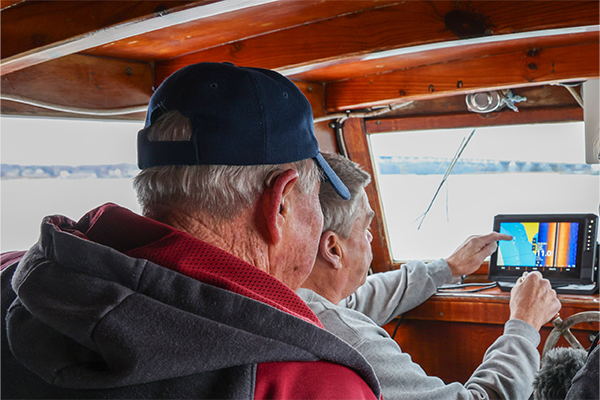
A new partnership between W&M’s VIMS & Batten School and NOAA is turning routine vessel operations and lost crab trap removal into a new source of valuable bathymetric data. The organizations are collaborating with watermen to track shallow water data as they retrieve derelict crab pots.
William & Mary's VIMS & Batten School have launched a new brand identity to better reflect their interconnected roles as a world-class research institute, academic school and trusted advisor to the Commonwealth of Virginia.
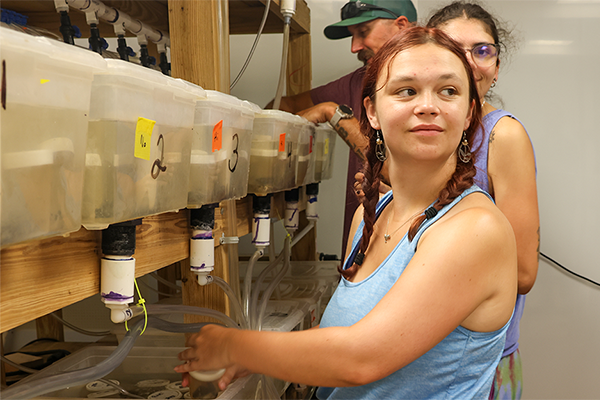
While summer signifies an academic break for most students, undergraduates at W&M’s Batten School & VIMS are instead getting back to work as they delve into summer research projects. Darius McCallum and Caitlin Murphy, two of these "Stravitz Scholars," discuss how the experience is setting them up for success.
A new study out of William & Mary’s Batten School & VIMS is redefining how we visualize and track marine heatwaves in estuarine systems like the Chesapeake Bay, introducing a definition for “vertical marine heatwaves” as well as a visual classification scheme of full-column temperature conditions.
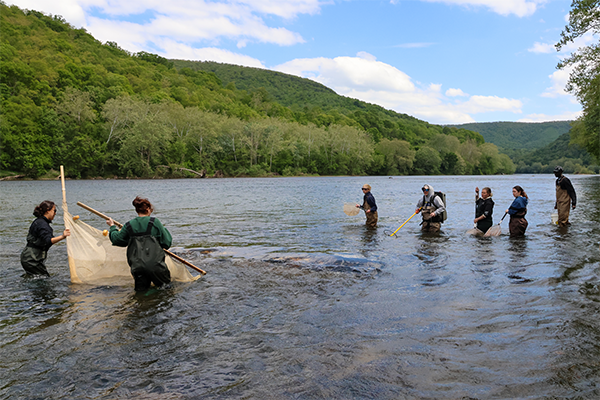
For 56 years, the Roanoke Roundup has immersed scientists and students in the tributaries of Southwest Virginia. During the trip, students collect, identify and preserve specimens of freshwater fishes for the Nunnally Ichthyology Collection at W&M's Batten School & VIMS.
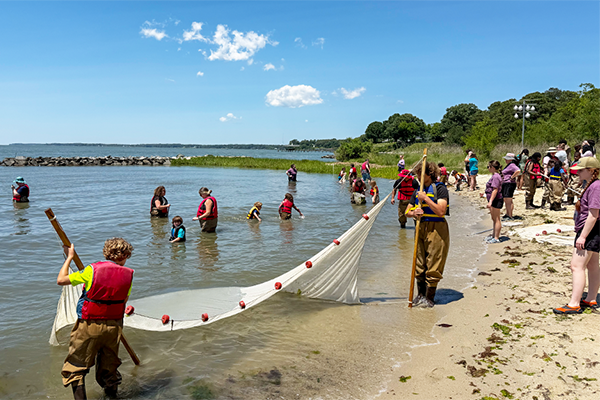
With a record number of exhibits, coastal and marine research was memorably brought to life for more than 1,800 attendees at the 24th annual Marine Science Day, the marquee open house event at W&M's Batten School & VIMS.
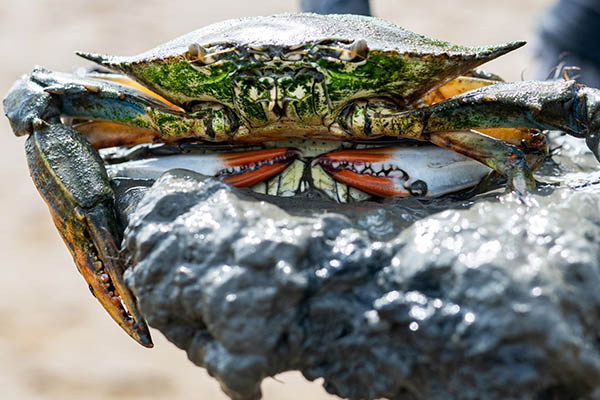
The annual Blue Crab Winter Dredge Survey conducted by William & Mary’s Batten School & VIMS and the Maryland Department of Natural Resources estimated the Chesapeake Bay blue crab population at 349 million in 2026, up 46% from 2025.
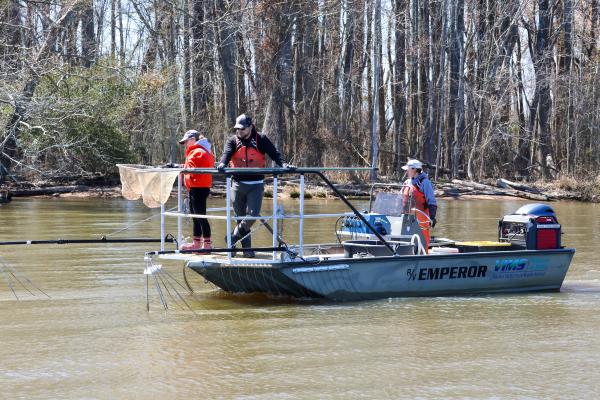
Scientists at William & Mary's Batten School & VIMS utilize electrofishing to build on decades of striped bass tagging data in Virginia’s Chesapeake Bay tributaries to inform fisheries management as the iconic species faces ongoing population declines.
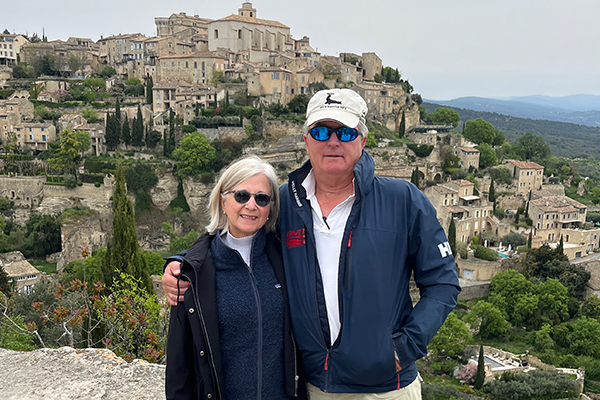
W&M Batten School & VIMS Professor Mary Fabrizio and her husband, Dixon Wilde, have established a significant endowment to provide tuition and fellowship support to graduate students enrolled in the Batten School, with preference given to students from developing nations.
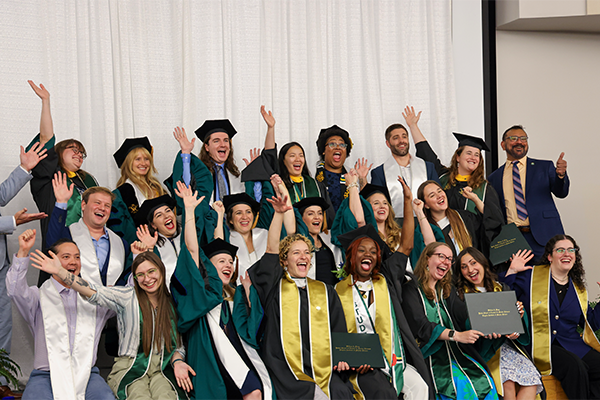
W&M’s Batten School & VIMS recently celebrated the graduation of 31 students. These young scientists have developed significant expertise in a variety of research areas within coastal and marine sciences, preparing them well for consequential careers in scientific research, education and more.
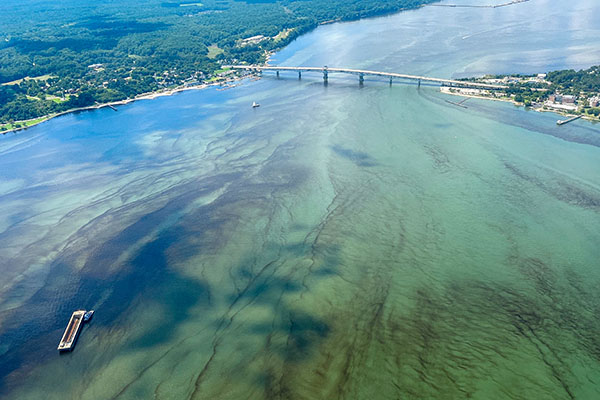
According to the Chesapeake Bay 2026 Hypoxia Forecast produced by scientists at William & Mary's Batten School & VIMS, the Bay's annual "dead zone" is expected to be one of the mildest in recent decades thanks to low river flows and reduced nitrogen levels.
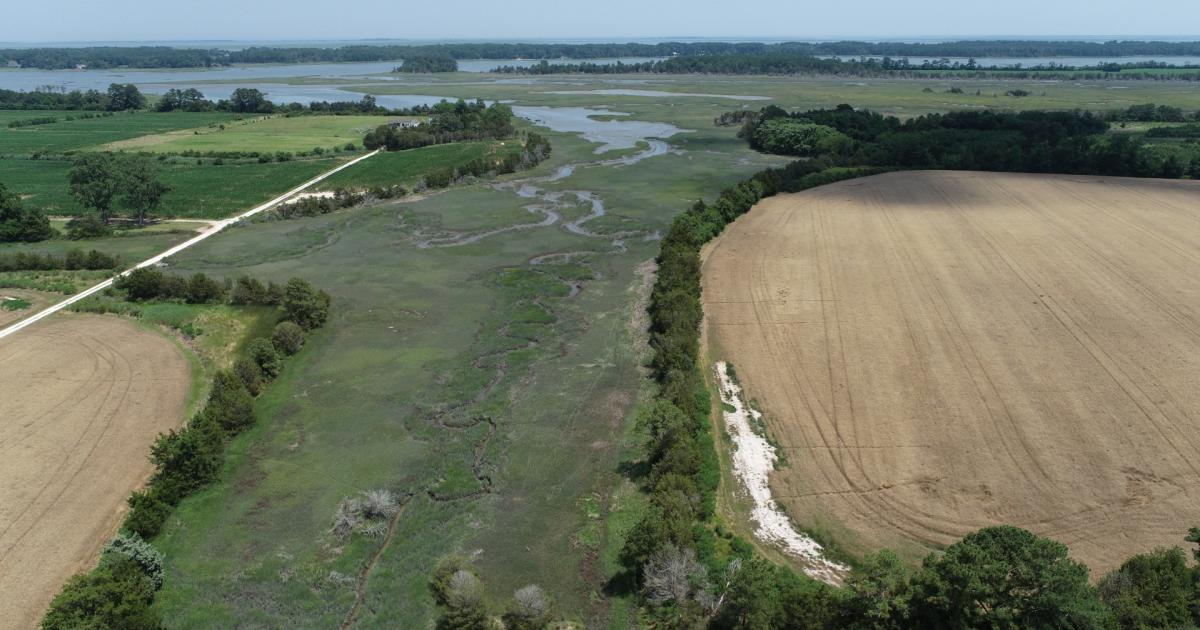
Ghost forests have become haunting symbols of sea level rise overtaking land along the Mid-Atlantic coast. But a new study in Nature Sustainability led by William & Mary’s Batten School & VIMS points to even more dramatic land losses in the region’s coastal farmlands, where the rate of marsh encroachment is happening nearly twice as fast.
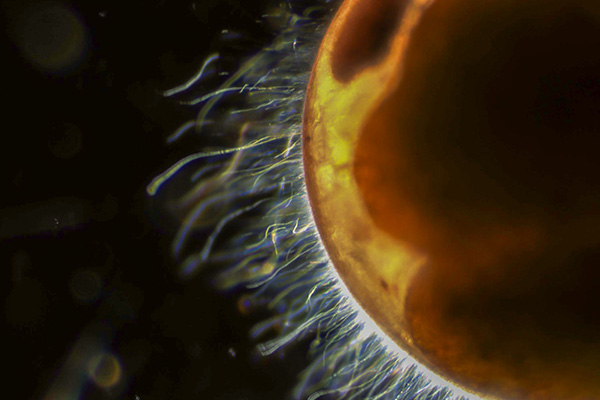
New research shows that lobster eggs host surprisingly diverse microbiomes that change as the embryos develop, potentially providing a source of resilience against future environmental changes for one of North America's most valuable fisheries.
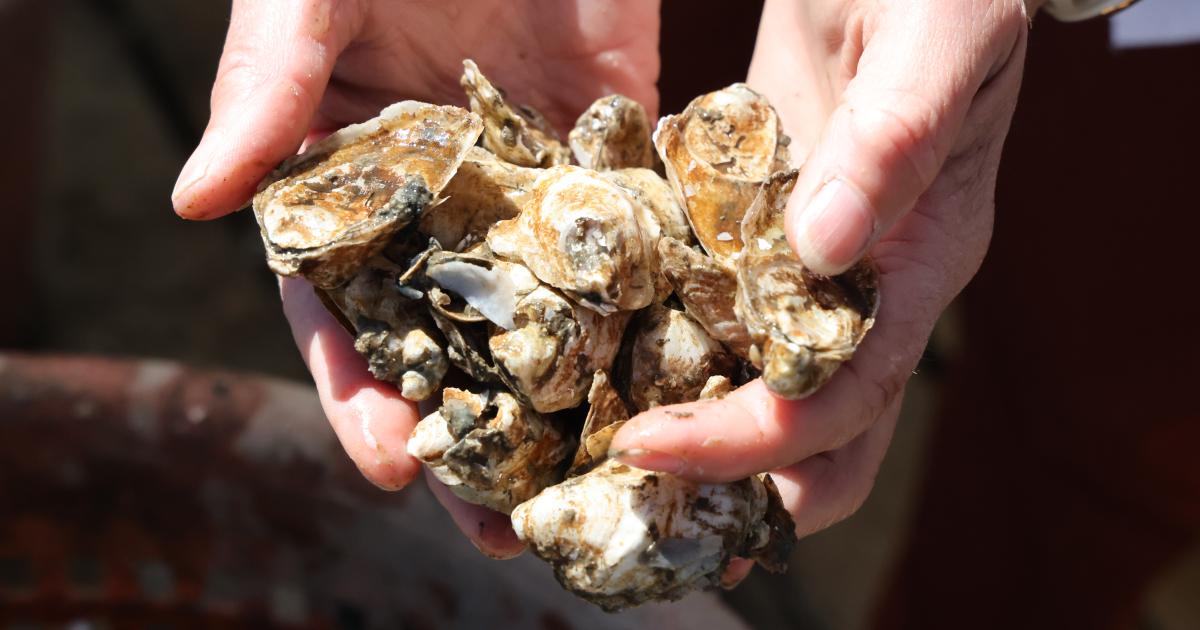
Research out of William & Mary’s Batten School & VIMS brings together scientists, shellfish farmers and community planners to prepare for environmental challenges related to ocean and coastal acidification (OCA) in the Chesapeake Bay.
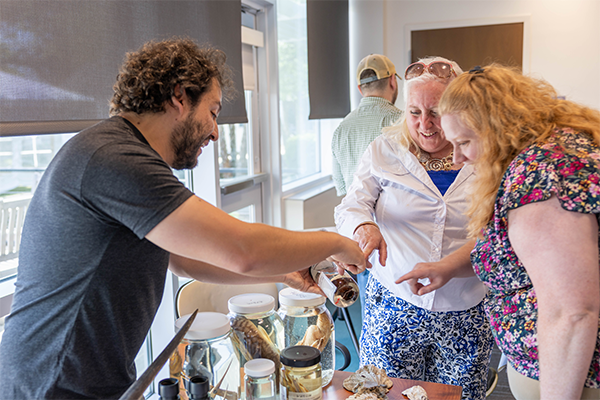
Days before hosting their ninth annual Lesson Plan Expo, organizers at the Virginia Science & Educators Alliance (VA SEA) learned they had won the 2026 Programs that Work Award from the Virginia Mathematics and Science Coalition.
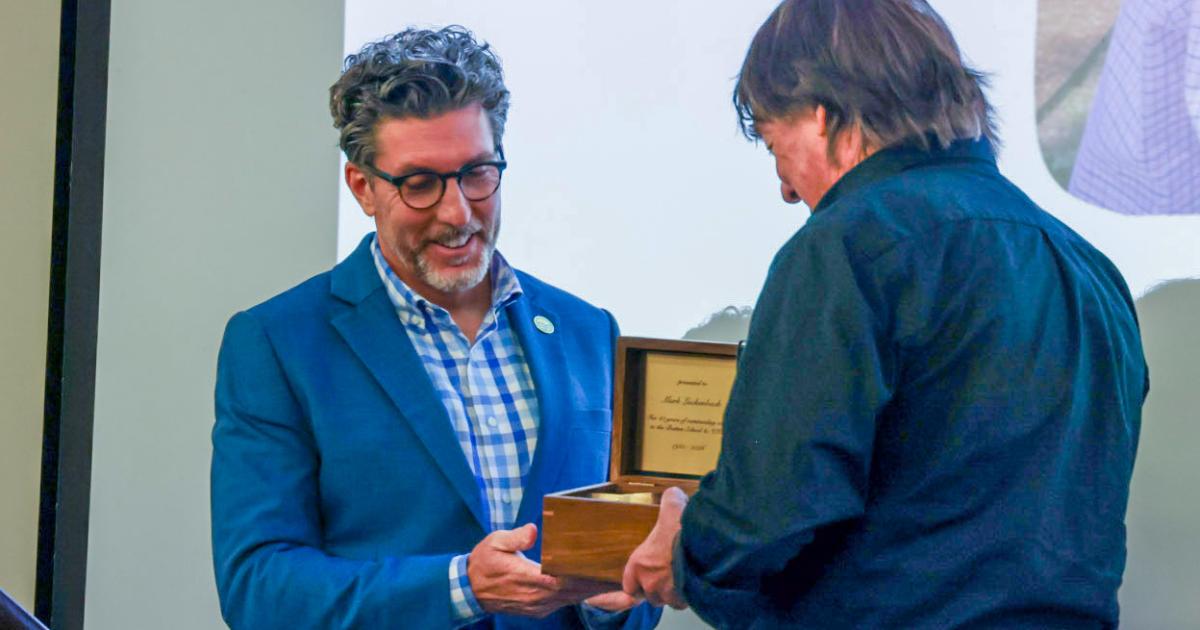
The 2025 Awards Ceremony celebrated faculty, staff and students at the Batten School & VIMS.
Five graduate students from the Batten School & VIMS have been recognized with Graduate Research Fellowship Program awards and honorable mentions from the U.S. National Science Foundation.
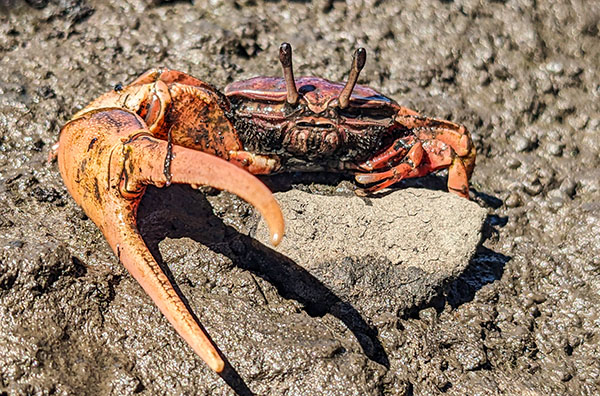
New research from William & Mary’s Batten School & VIMS shows the Atlantic mangrove fiddler crab has expanded its range almost 200 miles north, trading mangrove forests for temperate salt marshes along the southeastern U.S. coast.
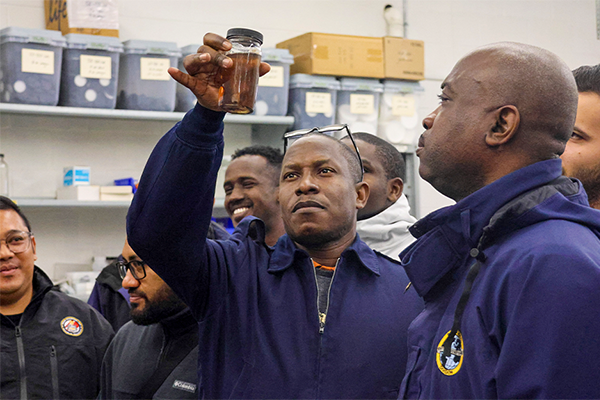
W&M's Batten School & VIMS recently hosted the U.S. Coast Guard’s (USCG) International Maritime Officer’s Course (IMOC), educating global maritime leaders on how science impacts real-world decisions on issues like pollution, fisheries enforcement and coastal hazards.
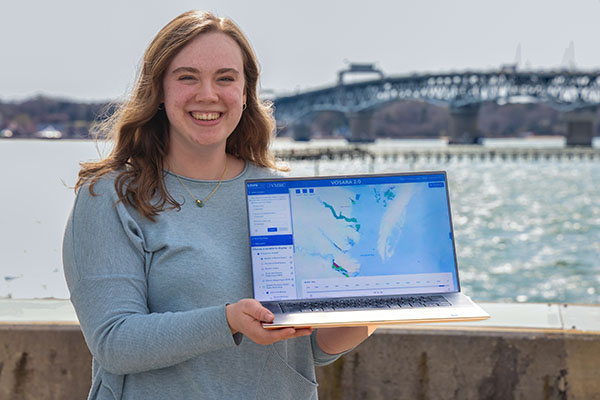
A new, interactive data platform developed as part of an undergraduate research project is transforming how scientists, managers, watermen and the public understand and manage Virginia’s wild oyster population.
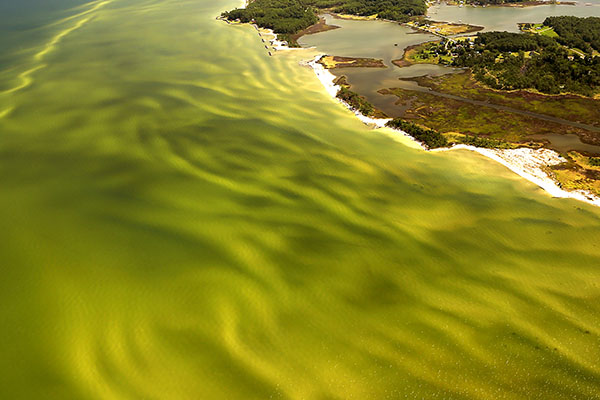
A new Center of Excellence in Environmental Forecasting (CEEF) at William & Mary’s Batten School of Coastal & Marine Sciences & VIMS leverages institutional strengths to benefit coastal communities in Virginia and beyond.
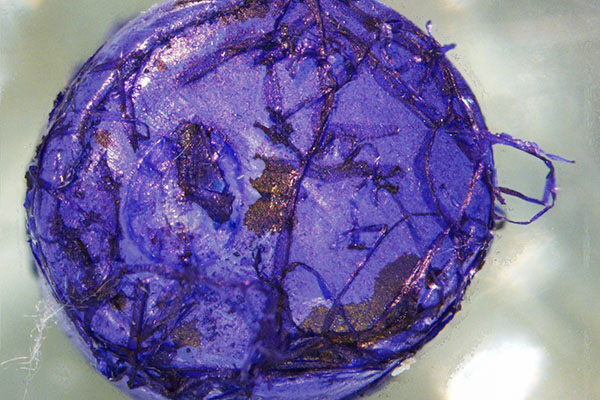
A study led by W&M's Batten School & VIMS scientists revealed that microbial communities growing on microplastics in the Chesapeake Bay carry the genetic potential to remove nitrogen from the water and break down petroleum-related compounds. The study was selected by FEMS Microbiology Ecology as best paper of 2025.
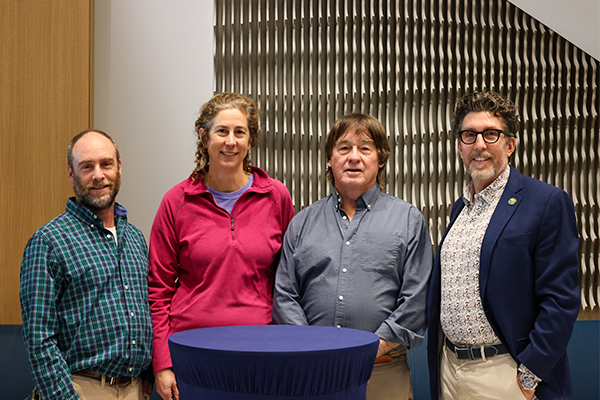
A new organizational structure of the Office of Research & Advisory Services will empower the associate dean to work with scientists and agency leaders to develop forward-looking research strategy while collaborating closely with the new assistant dean, who will oversee advisory work.
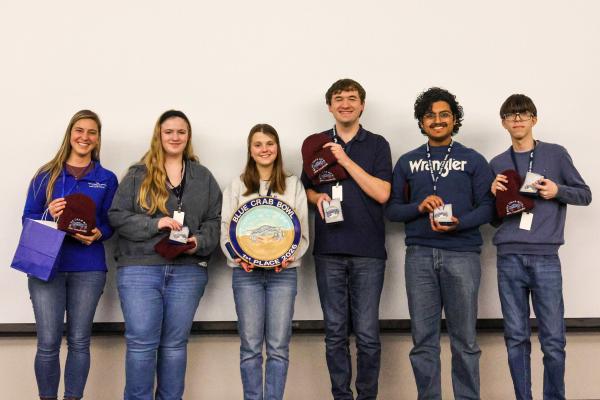
High schoolers braved the bitter cold last weekend to compete in the 28th Blue Crab Bowl, Virginia’s regional program of the National Ocean Sciences Bowl (NOSB) hosted by William & Mary’s Batten School & VIMS.
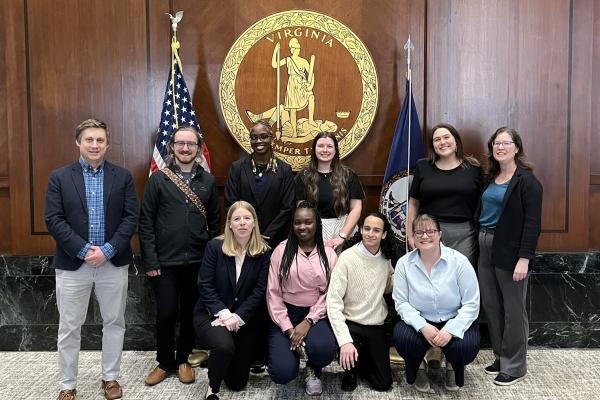
The marine policy sub-concentration at the Batten School & VIMS offers unique personal, academic and professional opportunities to develop as civic leaders and scientists. Through required coursework, students develop an understanding of policy structures, map out traditional legislative processes and visit with nonprofits as well as state and federal agencies.
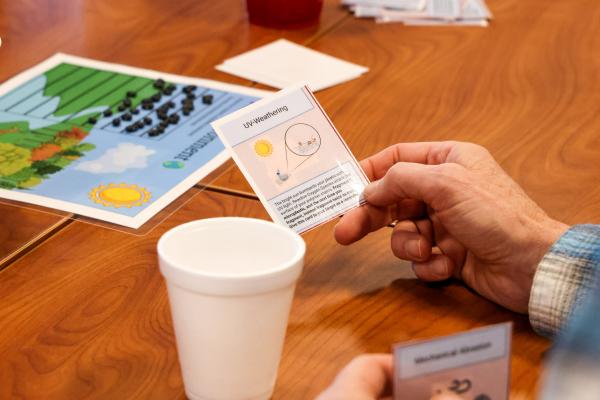
A new conference expands Virginia Scientists & Educators Alliance to include in-person feedback and collaboration between Virginia educators and the graduate students developing lesson plans based on their current research.
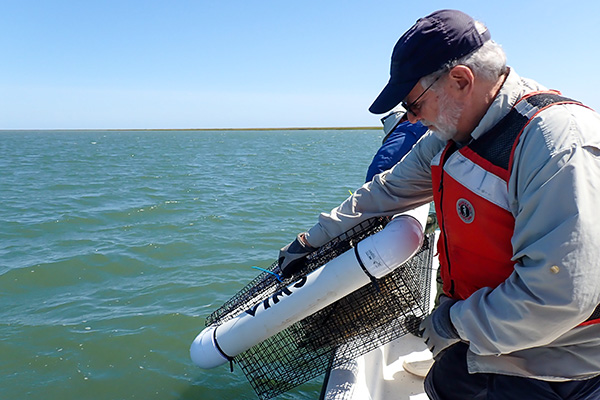
New research by Batten School & VIMS scientists shows that oyster filter feeding can significantly reduce the spread of a common blue crab parasite.
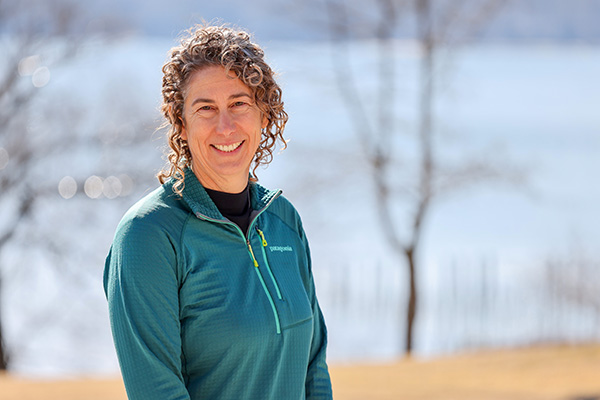
In her new role as associate dean of research and advisory services at William & Mary’s Batten School & VIMS, Megan La Peyre ’95 will support faculty, staff and students as they address complex coastal and marine challenges facing Virginia, the nation and the world.
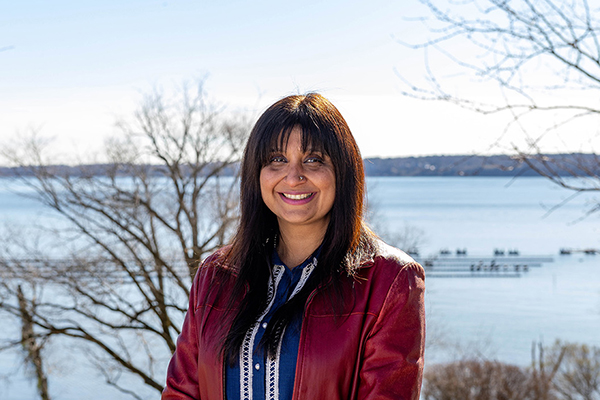
Virginia Sea Grant welcomes Mona Behl as its new director. With over a decade of experience and achievements in the Sea Grant network, Behl brings with her an essential foundation to successfully lead Virginia Sea Grant.
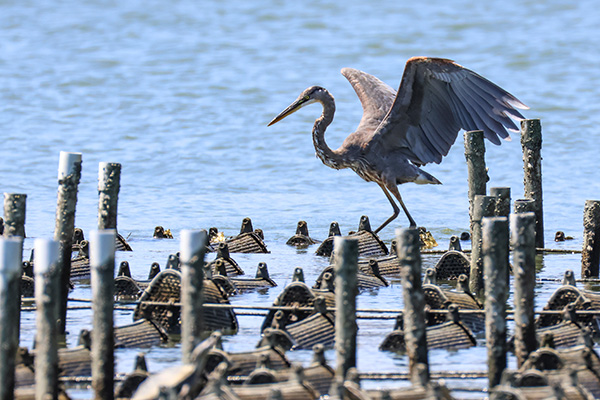
A new collaboration between William & Mary and Old Dominion University researchers seeks develop an innovative bird-deterrence system that meets new federal sanitation guidelines for aquaculture farms while minimizing disruption to surrounding wildlife and coastal communities.