

Award-winning study finds microplastics have the potential to influence nutrient cycling in estuaries
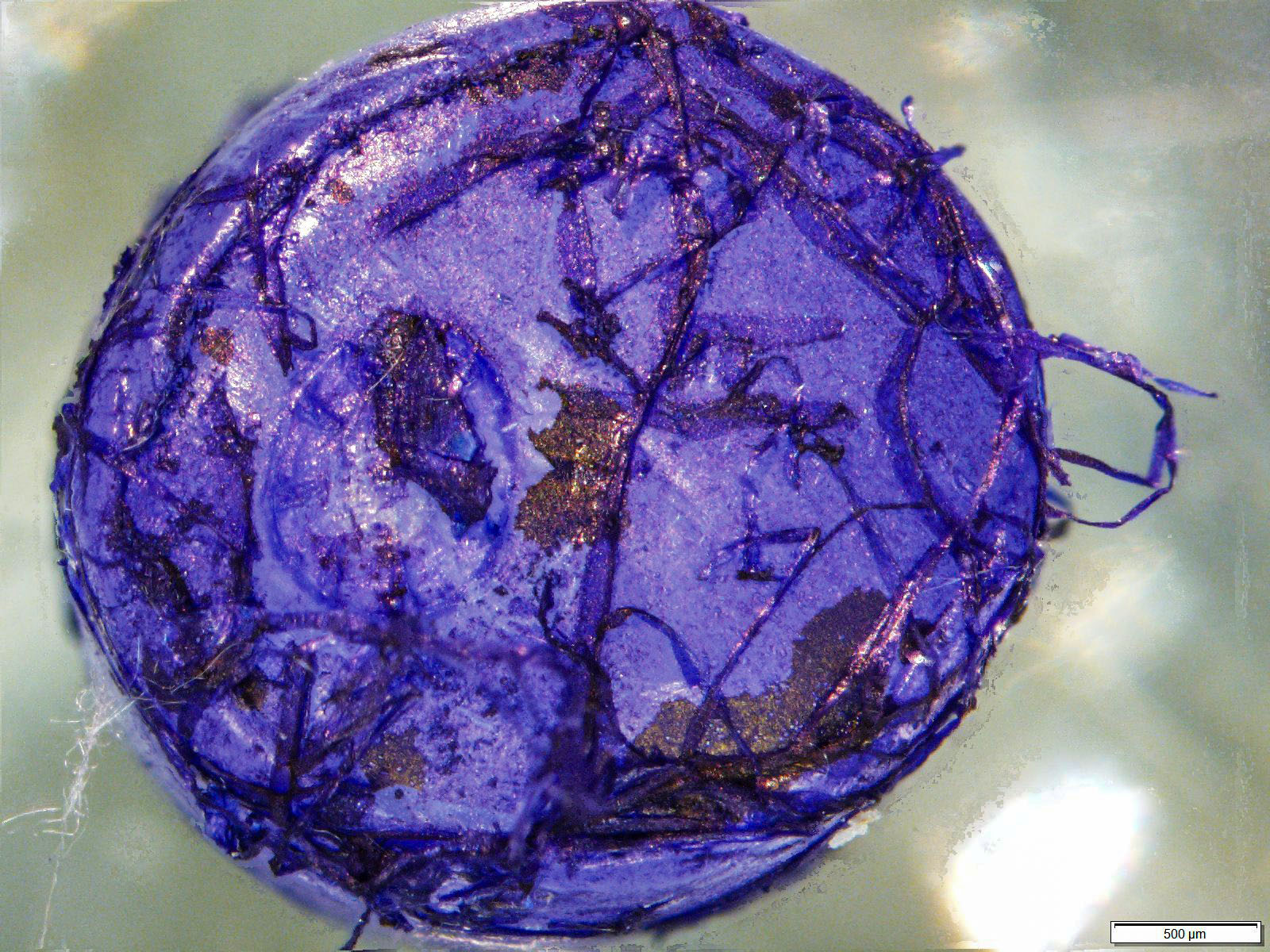 A study led by William & Mary’s Batten School of Coastal & Marine Sciences & VIMS and published in FEMS Microbiology Ecology reveals that microbial communities growing on microplastics in the Chesapeake Bay carry the genetic potential to remove nitrogen from the water and break down petroleum-related compounds. The manuscript was recently selected as the journal’s best paper of 2025 (FEMS Journals Articles Award), which recognizes researchers who have pushed the boundaries of knowledge in the field of microbiology.
“This wasn’t best student paper, this was best paper, from a very respected journal,” said co-author Rob Hale, professor at the Batten School & VIMS, noting that lead author Samantha Fortin conducted the study while earning her Ph.D. at the Batten School while collaborating with fellow student Kelley Uhlig.
The researchers used metagenomic sequencing, an advanced environmental DNA (eDNA) technique, to study microbial communities that developed on three different types of microplastics while submerged in the York River where it meets the Chesapeake Bay. Scientists packed fiberglass mesh bags with small beads of polyethylene (PE), polyvinyl chloride (PVC) and the biopolymer polylactic acid (PLA), suspended them near the top of the water column, and analyzed the microbial communities growing on the plastics after 7, 14 and 28 days.
 Surprising genomic results
“I was very excited to see so many denitrification genes, because we don't normally think of that process being able to happen in the oxygenated water column,” said lead author Samantha Fortin, now a postdoctoral researcher at Princeton University. “These microplastics develop fast-growing biofilms that can support microanoxic environments. We usually think about plastic’s toxicity or the negative effects it might have on animals, but we haven’t really thought a lot about how it might impact nutrient cycling in ecosystems.”
Denitrification converts biologically available nitrogen, such as nitrate, into nitrogen gas, effectively removing excess nitrogenous nutrients from aquatic systems. In places like the Chesapeake Bay, where excess nitrogen can fuel harmful algal blooms and low-oxygen dead zones, the process is a key regulator of water quality and eutrophication.
In addition to nitrogen-cycling genes, researchers found genes responsible for the degradation of hydrocarbons and plastic-related compounds. They emphasized that their study does not prove that these processes are occurring, only that there is genetic potential for them.
“This is something that we should really be thinking about,” said co-author Bongkeun Song, professor and chair of the Ecosystem Health Section at the Batten School & VIMS and Fortin’s former academic advisor. “We are introducing an ever-increasing amount of plastic into marine environments – more than we can quantify – but we do not understand how it impacts biogeochemical processes.”
Microbes shaped by their environment
Another surprise came from the differences, or lack thereof, in the microbial communities that developed on the different types of plastic.
Day 7 samples showed that biofilms formed quickly on all three types of plastic. Early microbial communities appeared similar across plastic types, but differences emerged after the second week, especially on PVC. However, after 28 days, the communities were broadly similar despite continued growth.
“We suspect that the PVC may leach more chemicals, which exerted an initial influence on the biofilm,” said Fortin. “But we thought we would eventually see greater differences emerge, especially on the biopolymer. Instead, the longer-term results suggested that environmental conditions in the river were the biggest factor driving microbial communities.”
“These types of analyses are often done in the lab, where controlled conditions magnify the difference between plastic types. This study was in situ, influenced by nutrients, tides and everything else happening in the York River,” said Hale.
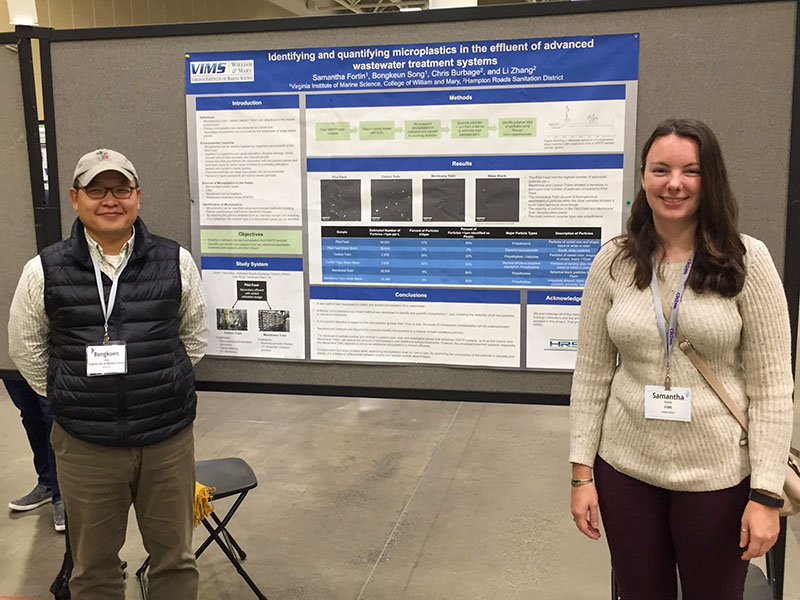 The scientists encourage additional research to determine whether and to what extent these biogeochemical processes on plastics are occurring in natural environments. Song continues to collaborate with Hale and other faculty and students at the Batten School on studies related to plastics’ impacts on nitrogen cycling and on microbes that consume hydrocarbons.
Fortin’s research focus has shifted to studying large-scale biogeochemical processes in the open ocean, but she noted that this study’s recognition by FEMS Microbiology Ecology was a welcome surprise.
“You always hope your science resonates,” she said. “To have it recognized as the best paper of the year means people see it as meaningful, and that’s incredibly rewarding.”