
W&M’s Batten School & VIMS 2026 graduates ready to apply their knowledge and skills, develop solutions to our biggest challenges
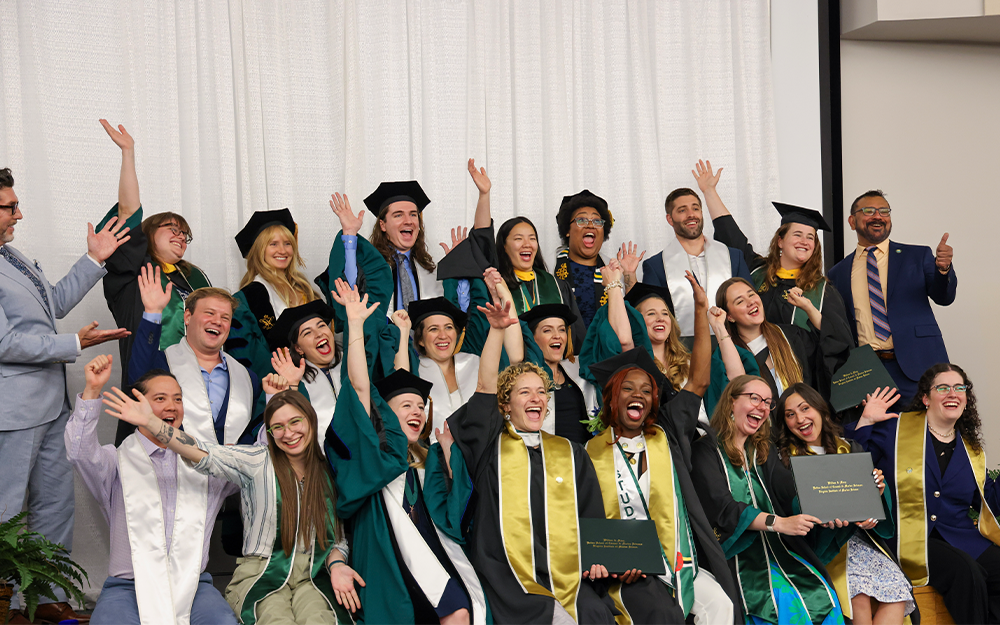 William & Mary’s Batten School of Coastal & Marine Sciences & VIMS recently celebrated the graduation of 31 students at a ceremony and reception held on May 16. The event honored M.A., M.S. and Ph.D. degree recipients from throughout the calendar year as they walked across the graduation stage and into the next stage of their professional lives.
“We chose a field that asks big questions,” said student commencement speaker Amanda Salmoiraghi M.S. ’26, who now works at the Batten School & VIMS as a research specialist. She noted in her address that while tides and shorelines may change, she and her fellow graduates have also evolved.
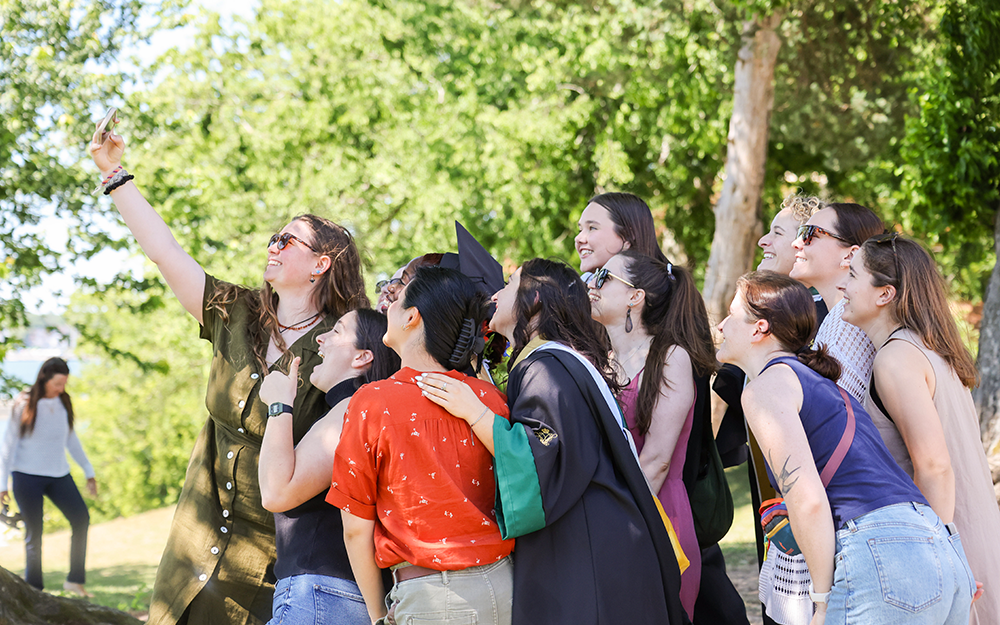 “We are sharper. Maybe a little more tired. Hopefully wiser,” said Salmoiraghi. “We are better at asking questions, recognizing complexity and sitting with ambiguity. We have become scientists capable of meeting uncertainty with curiosity instead of fear.”
These young scientists have developed significant expertise in a variety of research areas within coastal and marine sciences, preparing them well for successful and consequential careers in scientific research, education, communication and more. Notably, five students were the first to graduate with the newly formed shellfish aquaculture sub-concentration, equipping them to make a difference in the world of shellfish farming and cultivation.
During his remarks, Siddhartha Mitra Ph.D. ’97, associate dean for academic affairs, observed that the Batten School & VIMS had provided graduates with the right “utility belt” of tools to succeed, even in a shifting professional landscape. Batten School Dean and VIMS Director Derek Aday also acknowledged that degrees were being conferred during a time of significant headwinds for scientific research. Yet he reassured graduates that their graduate school experiences and lessons would serve as a strong foundation.
“Underlying all of this is a key point about which there's really no disagreement, and that is that your talent, your knowledge and your unique abilities are needed at this point in history more than ever,” said Aday. “You are the solution finders and science leaders that we will be depending on in the years ahead to solve the very fundamental problems that we work on each day at the Batten School & VIMS.”
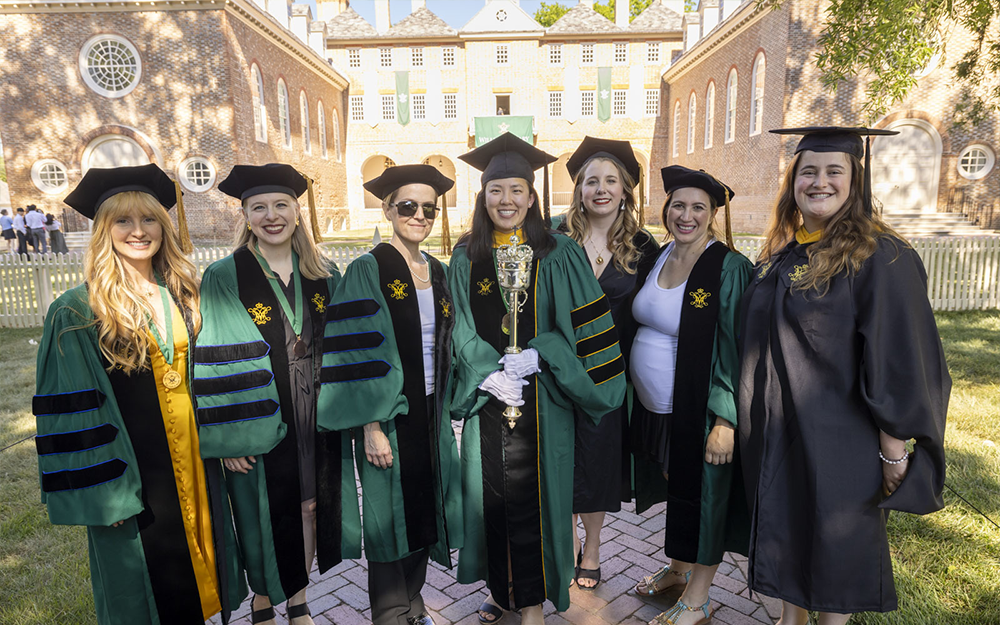 Aday also invited graduates to pause and reflect on their graduate school accomplishments, which are as impressive as they are numerous.
With 42 peer-reviewed publications in 35 unique journals and an abundance of internships, fellowships, scholarships, grants, awards and other commendations during their time at the Batten School & VIMS, the Class of 2026 proved to be remarkably adept at earning institutional, state and national recognition. From a Hōkūleʻa crew member, a U.S. Navy Antarctic Service Award recipient and an NCAA track and field athlete to multiple organization presidents and several lesson plan developers in the VA SEA program — and more — these students were not only accomplished but also well-rounded as they made meaningful impacts in their communities.
Now, with a range of exciting possibilities in front of them, these graduates can rely on both a strong academic foundation and a supportive alumni network in the years ahead.
You can take a closer look below at just a few of the 2026 graduate students who journeyed to, and through, the Batten School & VIMS:
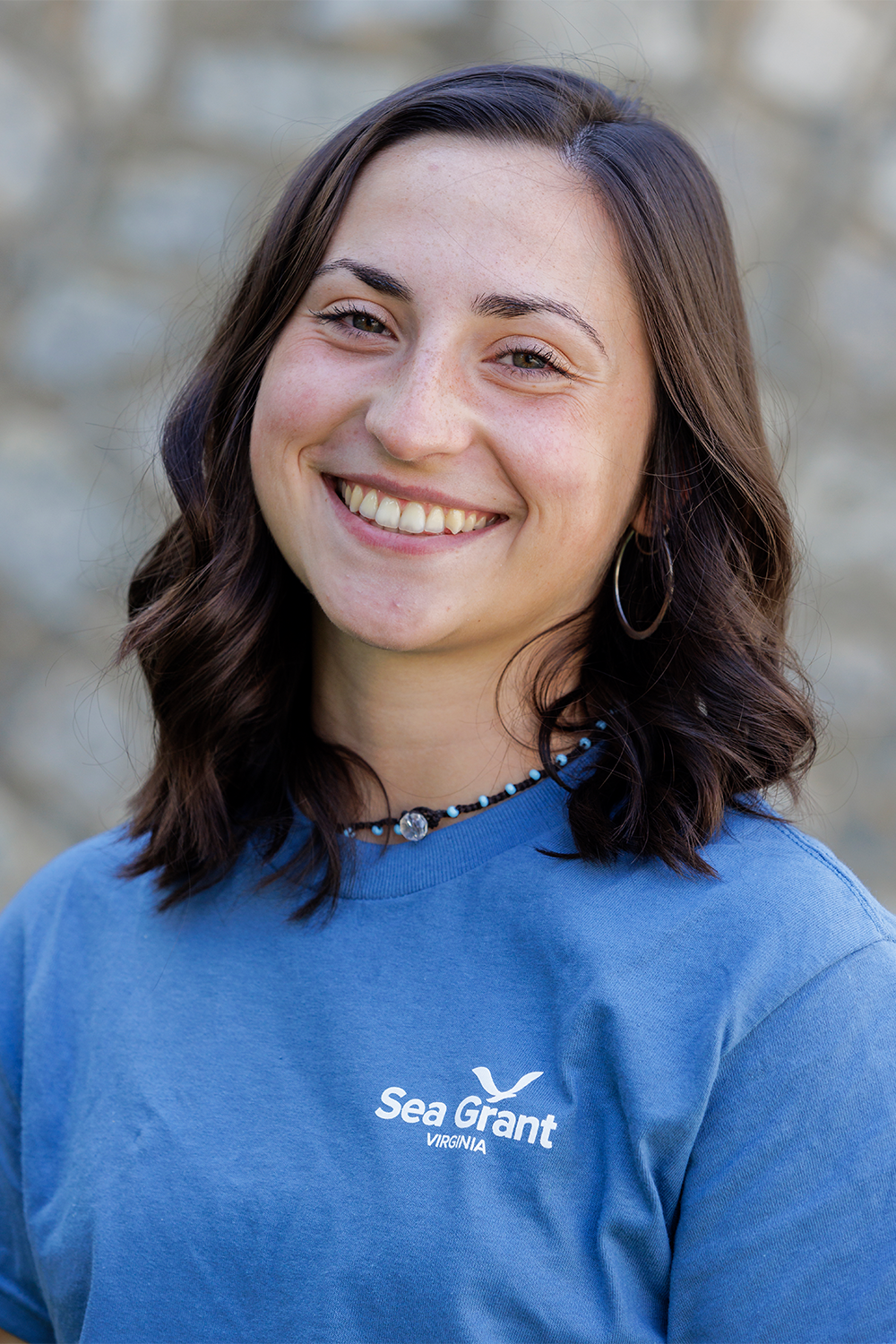 Bayleigh Albert: Cultivating a passion for science communication
At the Batten School & VIMS, Bayleigh Albert M.A. ’26 found a supportive community — including a quartet of inspiring female mentors — as well as educational travel opportunities and the chance to hone her passion for marine science communication. Her capstone project informed the public about harmful algal blooms using a range of outreach strategies. Albert now works as a digital storyteller for Virginia Sea Grant.
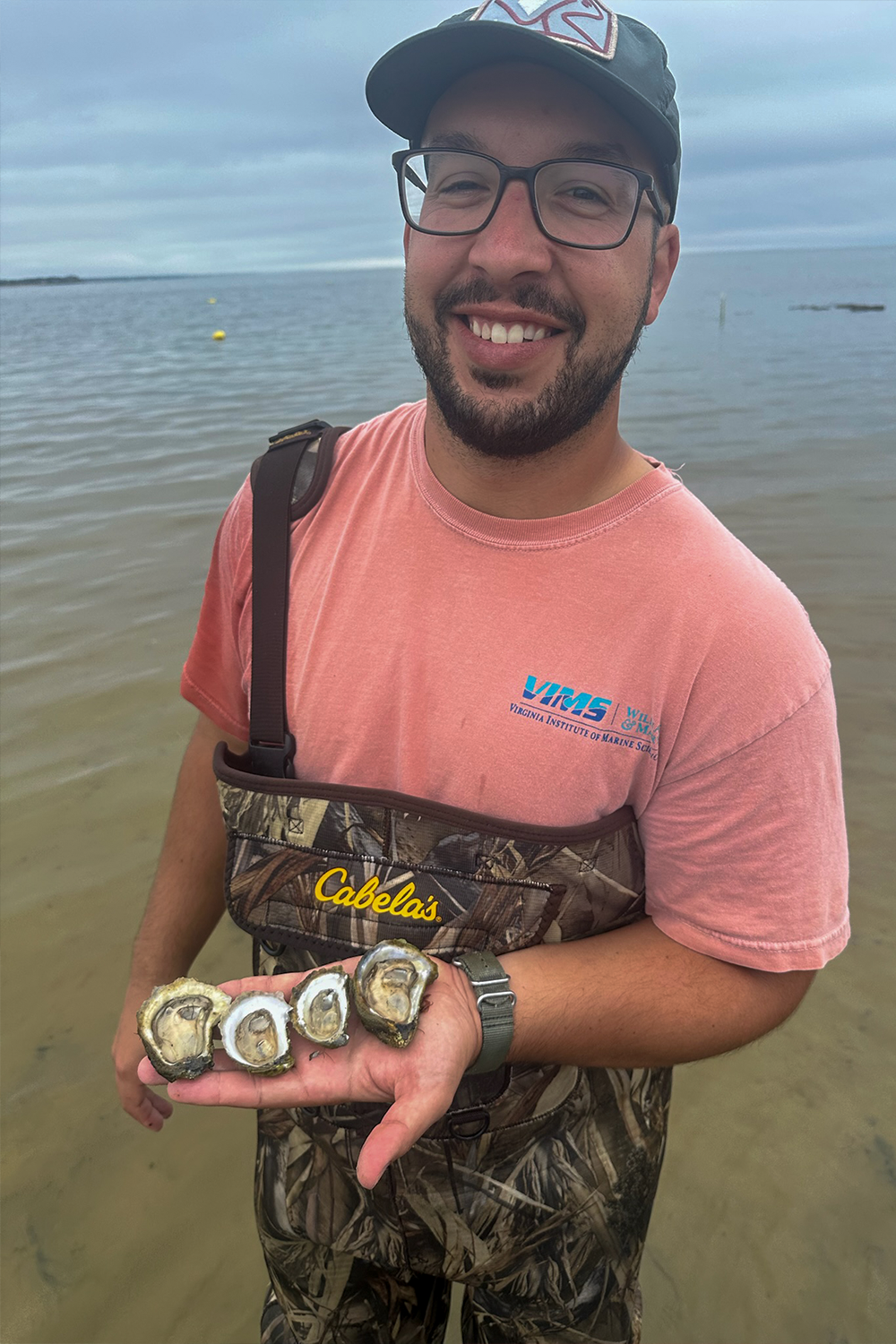 Matthew LaGanke: Dedicated to transforming shellfish aquaculture
When he saw a local oyster population collapse as a conservation tech, Matthew LaGanke Ph.D. ’26 was motivated to do more and began studying under Batten School Professor Bill Walton. He has worked with aquaculture farmers around the country and explored how to improve inventory management at-scale. LaGanke says that being in the first cohort with the opportunity to concentrate in shellfish aquaculture was life-changing.
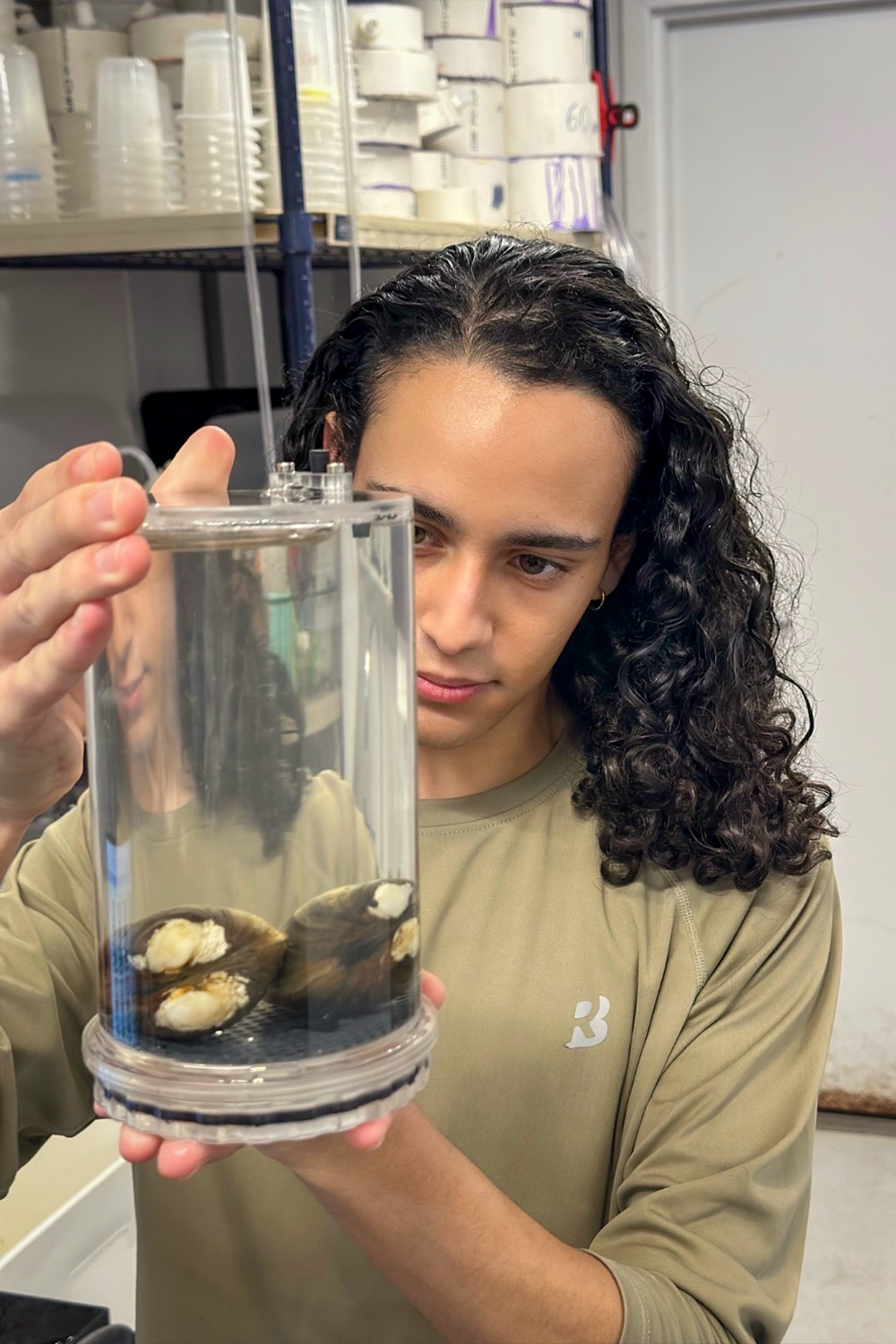 Javier Pujols: Piecing together the blue carbon puzzle
Javier Pujols M.S. ’26 grew up in the Dominican Republic not merely surrounded by the ocean, but fascinated by it. He turned that interest into an academic journey that led him to the Batten School & VIMS, where he studied how carbon and alkalinity are cycled in estuarine systems. With a strong background in both field work and science communication, Pujols advises new graduate students to push themselves outside their comfort zone.
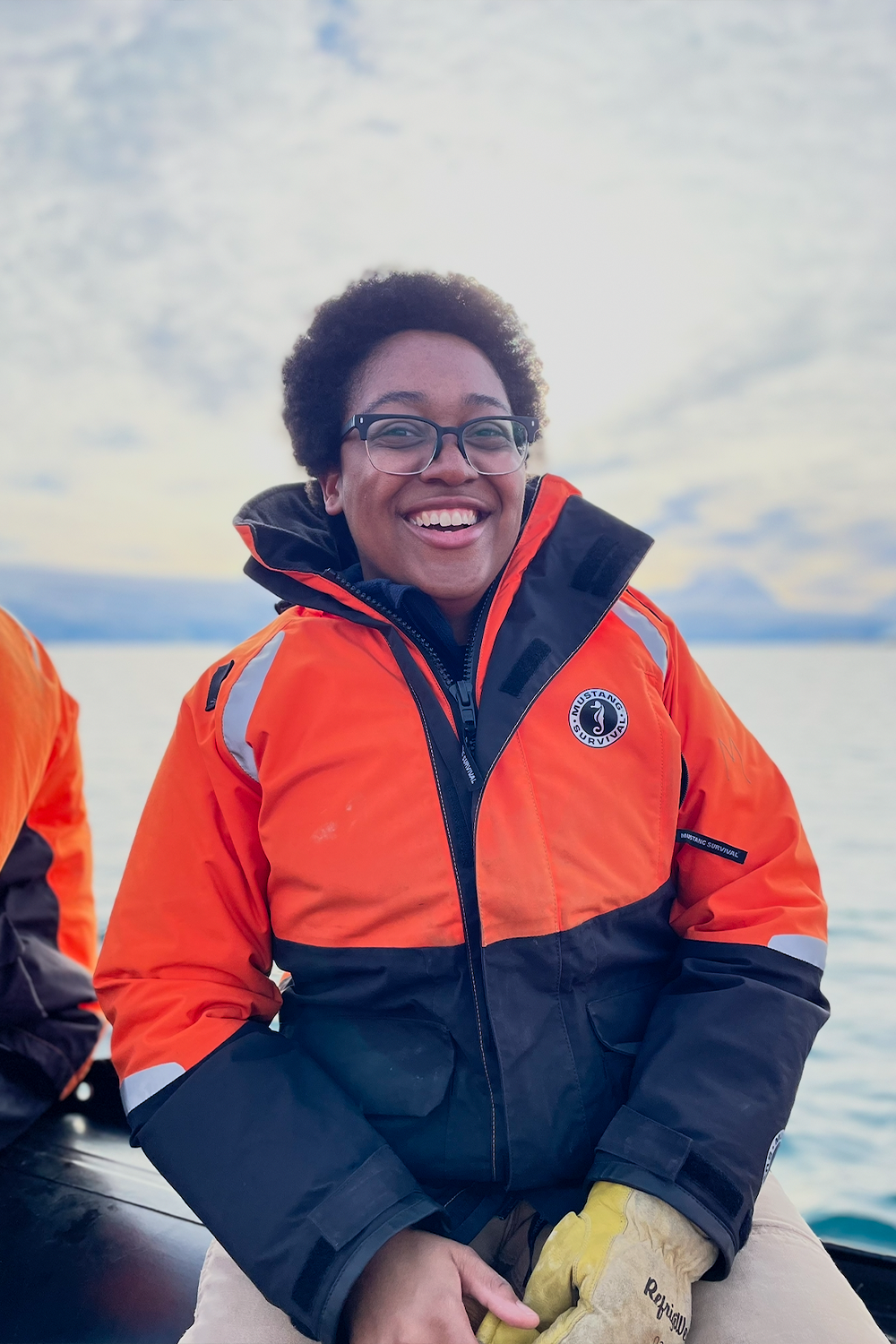 Maya Thomas: Conducting research at the bottom of the world
Maya Thomas Ph.D. ’26 has traveled to Antarctica several times, something she describes as “special and magical.” Those excursions enabled her to study zooplankton ecology in the Western Antarctic Peninsula, one of the fastest warming places on Earth. Thomas’ research focuses on how climate change is affecting krill and creating ripple effects across the entire food web, as well as how zooplankton waste moves carbon through the ocean.