

Water Quality
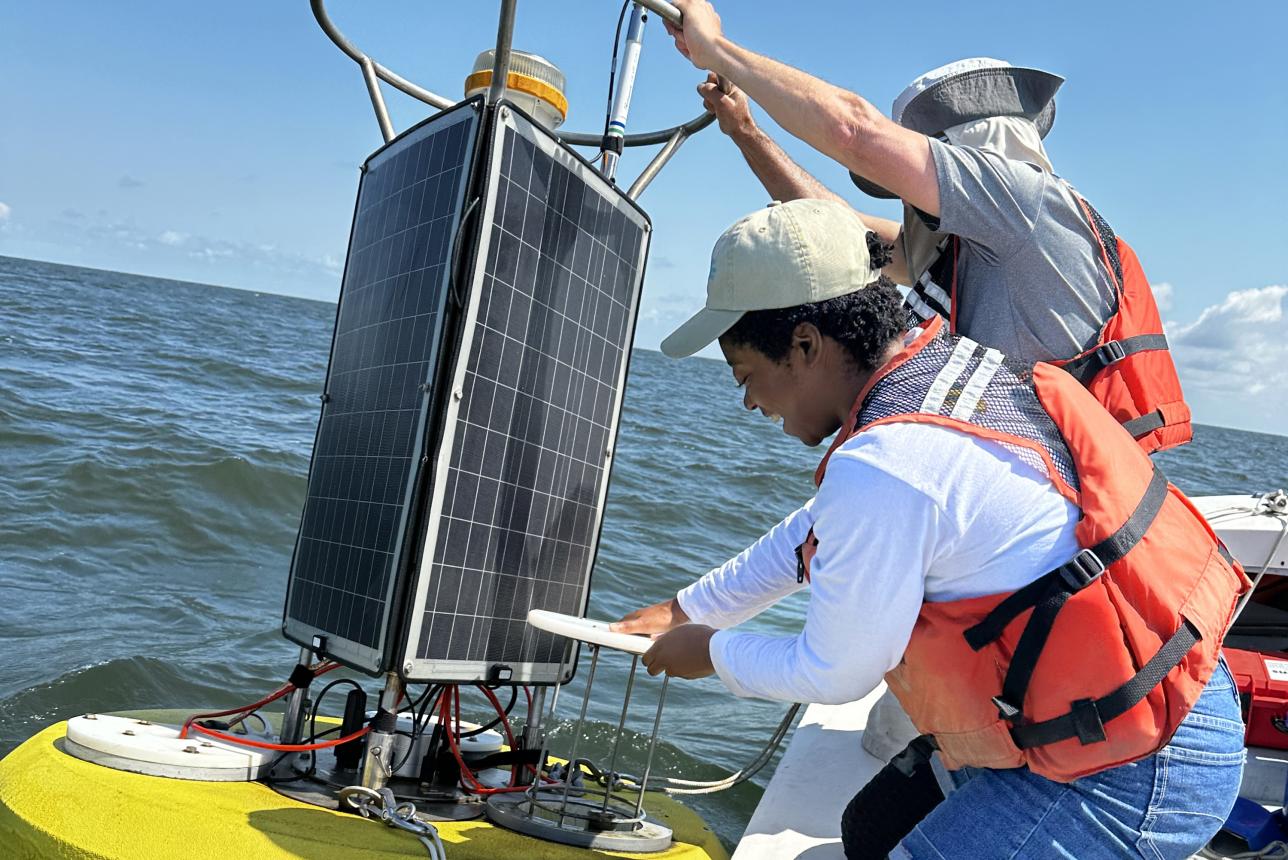
Quality Science, with Quality of Life in Mind
We study the sources, movement and impacts of pollutants on aquatic ecosystems and human health, including excess nutrients, harmful algal blooms (HABs), dead zones, microplastics and emerging contaminants. We research how these pollutants show up in our environments, the ways in which they alter water quality and ecosystem functions and what that means for our wellbeing. Through satellite imagery, computer modeling, field sampling and innovative machine learning, we develop the science and tools necessary for communities, ecosystems and economies to address threats related to water quality.
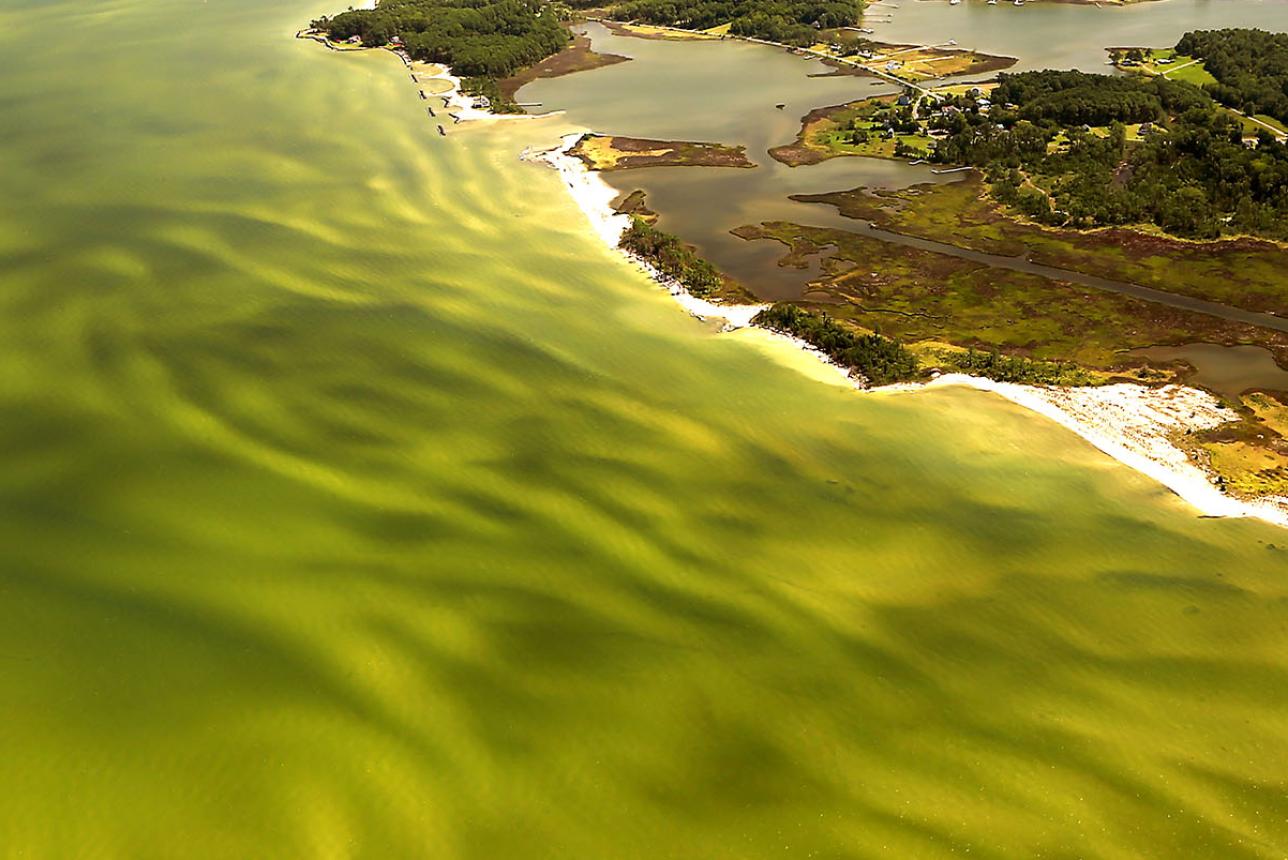
Forecasting Environmental Conditions Throughout the Chesapeake Bay
Our Chesapeake Bay Environmental Forecast System (CBEFS) uses advanced models to forecast environmental conditions throughout Chesapeake Bay, informing the region on conditions that can impact fisheries as well as human health and safety. This constantly-evolving tool is supported by data inputs from NOAA and USGS, providing scientists and community members with real-time and short-term insights into Bay conditions, including temperature, salinity, dissolved oxygen, acidity, and harmful algal blooms.
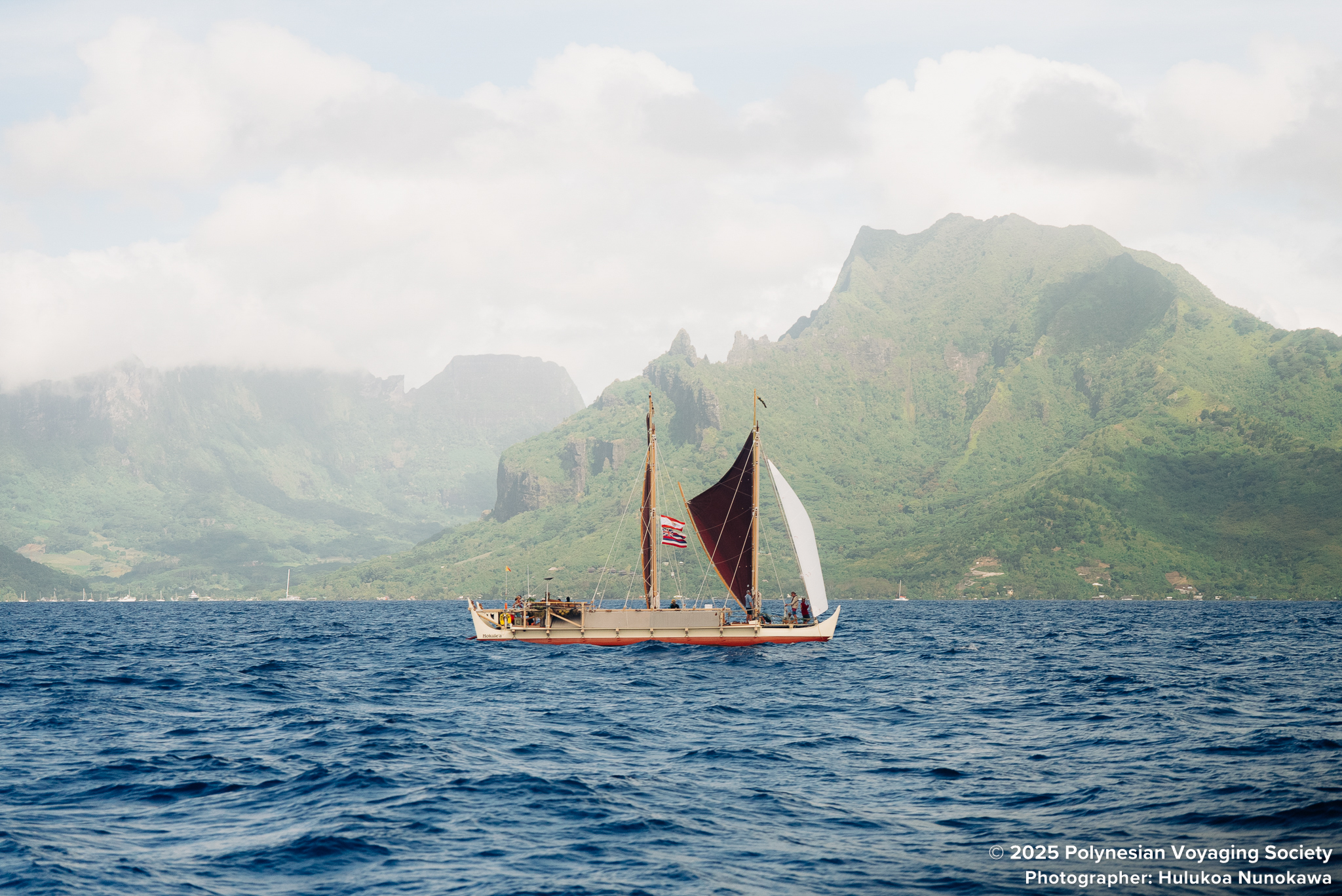
The Journey to Address Plastic Pollution
Every year around 20 billion pounds of plastic waste enter our oceans, accumulating and breaking down along coastlines and across the open ocean, with wide ranging impacts on organisms and natural systems. Our Plastic Pollution Lab has partnered with the Polynesian Voyaging Society to measure plastic pollution along the voyage route of the Hōkūle‘a, a performance-accurate deep sea voyaging canoe. The lab will analyze these samples to measure the composition and abundance of plastic, so that we can better understand the extent of microplastic pollution in understudied oceans and coastlines.
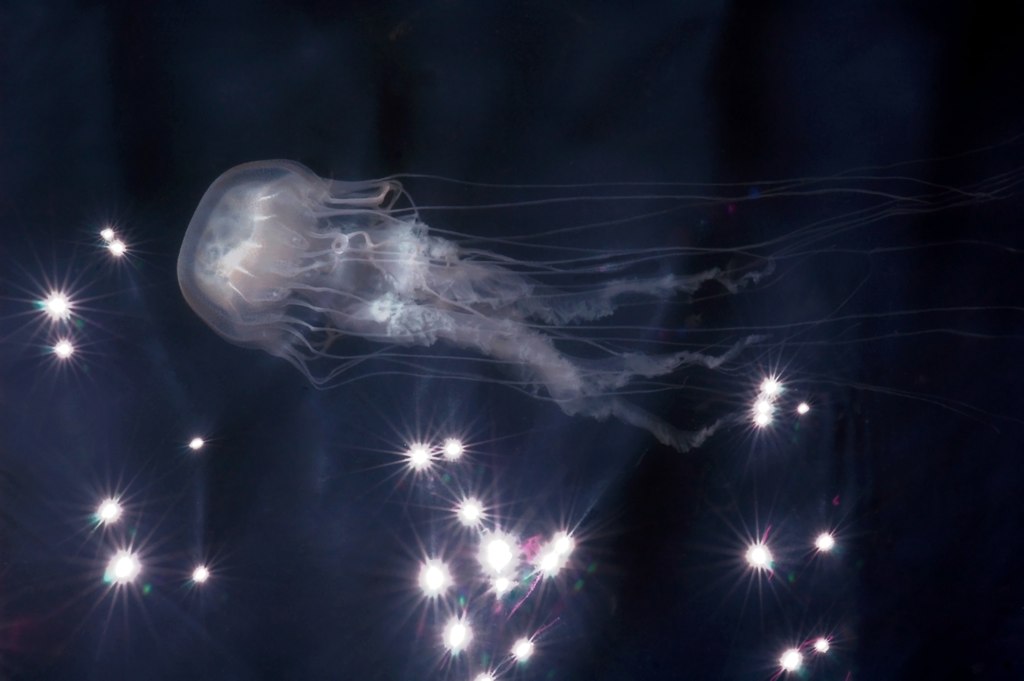
Mapping Jellyfish in the Chesapeake Bay
Want to know the likelihood of encountering jellyfish on your next trip to the Chesapeake Bay? William & Mary’s VIMS & Batten School have a forecast for that! The Sea Nettle Forecast predicts your chance of coming across stinging jellyfish. Read on to learn how it works and how you can use it to stay safe.
Programs, Centers & Labs:
Explore some of the programs, centers & lab groups working on water quality:
Stay In Touch
Follow us on social media, sign up for our monthly e-newsletter and subscribe to our semester-based print magazine to remain updated on VIMS & the Batten School's cutting-edge research, advisory work and the people that bring our science to life.