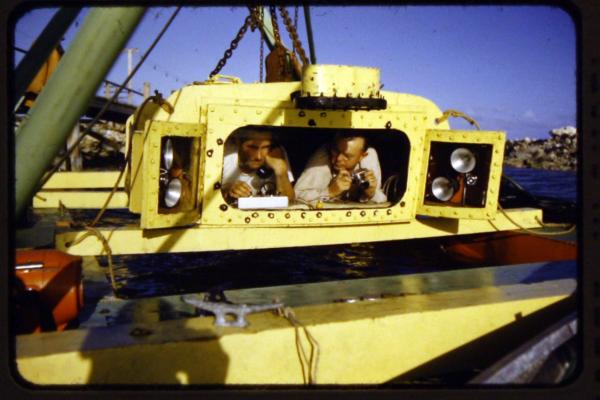
Photographs from the historic Aquascope submersible, now on display at the Mathews Museum in Virginia, offer a glimpse of what life was like at the bottom of the Chesapeake Bay in the 1950s. Scientists at the VIMS & Batten School study these same species today.
We spoke with some of VIMS & the Batten School's leaders in science education about the importance of scientific literacy, experiential learning and opportunities for the public to connect with our science.
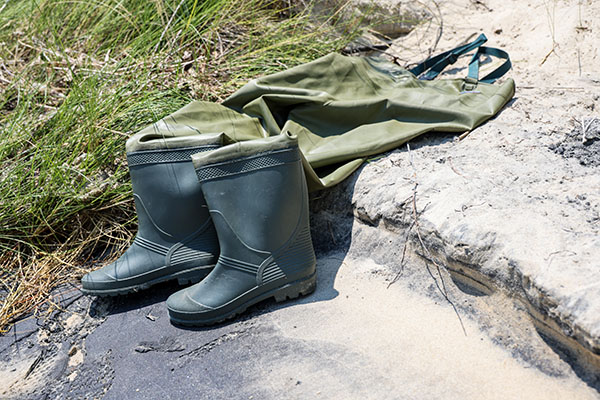
Thanks to a William & Mary Provost Mid-Career Leadership Grant, VIMS & the Batten School have established Field Booteries at both the Eastern Shore Laboratory in Wachapreague and the Gloucester Point campus. Together, they provide students with shared access to specialized footwear that can be expensive to purchase for only a handful of uses.
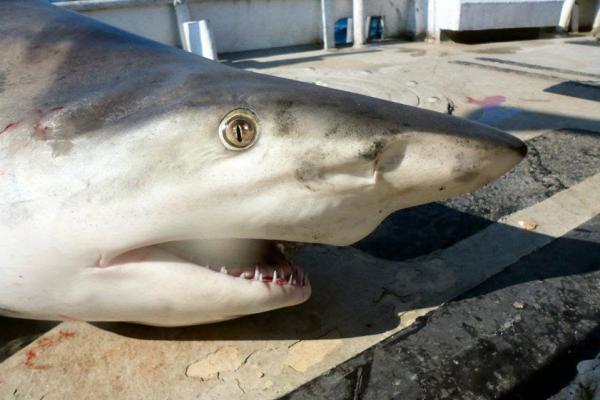
Yes, there are sharks in the Chesapeake Bay and off the coasts of Virginia Beach and the Eastern Shore. In fact, they’re making a comeback, in part thanks to the work of William & Mary’s VIMS & Batten School, whose decades-long shark surveys have informed fisheries management and helped reduce over-fishing of these animals.
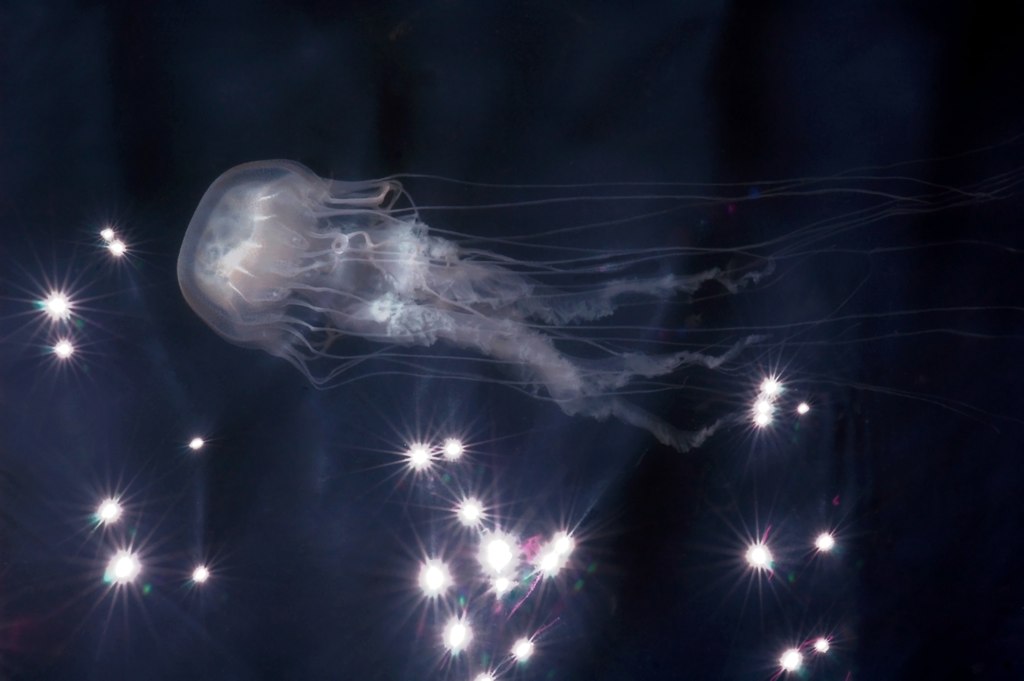
Wondering if jellyfish are in the Chesapeake Bay right now? The Sea Nettle Forecast maps your daily encounter risk so you can plan a safer day on the water.
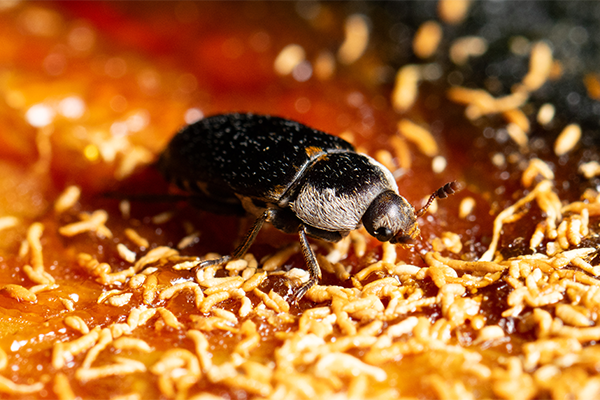
At the W&M's Batten School & VIMS, Ph.D. student Miguel Montalvo uses carpet beetles to clean fish carcasses and unearth their skeletal secrets. Now, he's launched a live stream video where the public can watch specimen cleaning in real time and inspire their curiosity about the natural world.
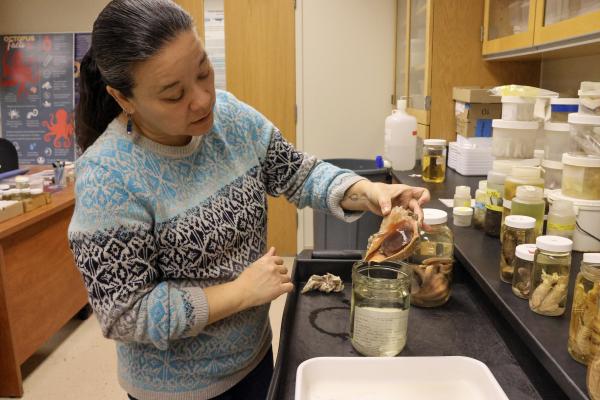
The VIMS Invertebrate Collection is a library of preserved invertebrates from Virginia, the Chesapeake Bay, the North Atlantic, and the world beyond. We sat down for an interview with collection manager Jennifer Dreyer to talk about the collection's history, what it takes to preserve thousands of specimens, and why natural history collections matter more than ever in a changing climate.
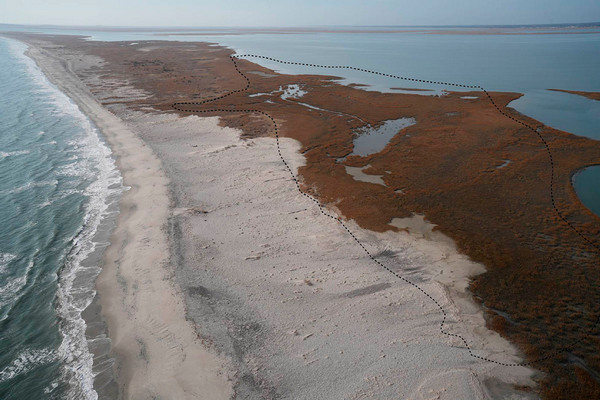
The Cedar Island Resilience Project is a proposed coastal restoration effort designed to strengthen the long-term stability of Cedar Island while protecting surrounding ecosystems and nearby communities.
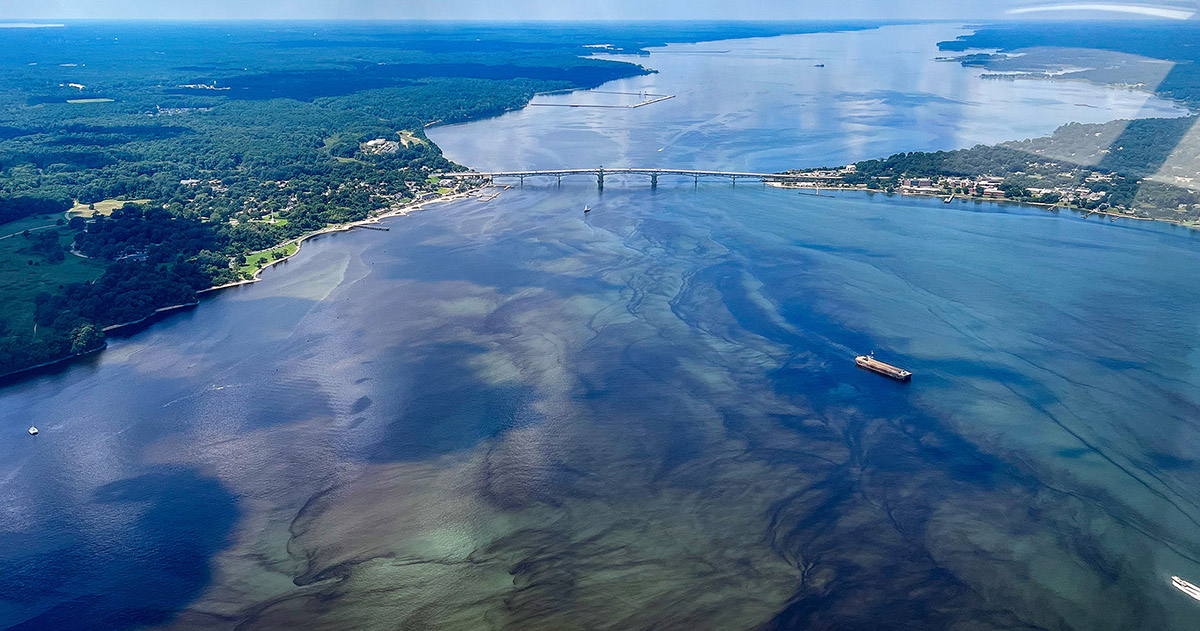
Dead zones are areas of a waterbody with low-oxygen (hypoxic) conditions unsuitable for most marine life. The Batten School & VIMS publish an annual Dead Zone report card that summarizes dissolved oxygen concentrations throughout the Bay.
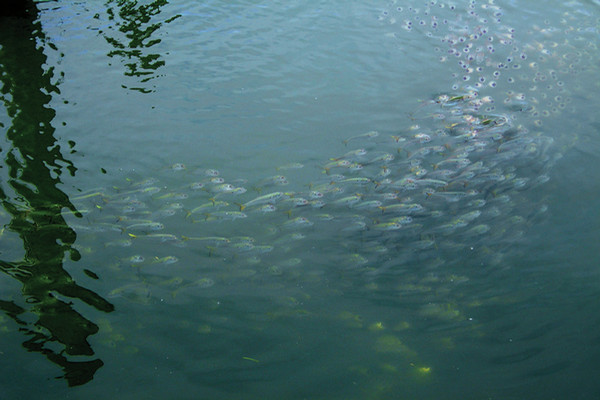
Atlantic menhaden (Brevoortia tyrannus) are small (maximum length = 15 inches) schooling fish related to herring, shad and sardines. The species inhabits near-shore waters along the Atlantic seaboard from Nova Scotia southward to central Florida, making them a valuable aspect of North American commercial and recreational fisheries as well as coastal ecotourism industries.
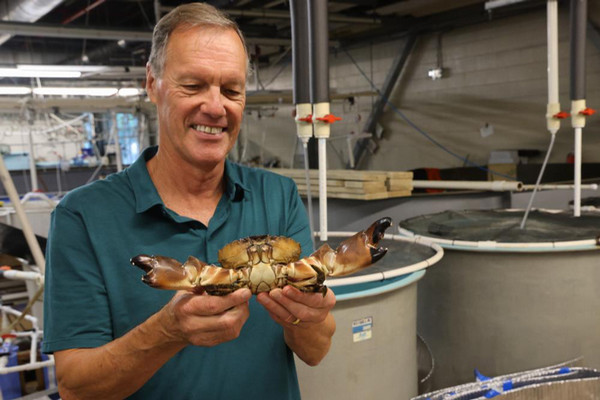
William & Mary’s Batten School and VIMS are actively documenting the presence of stone crabs in Virginia waters. Here, we worked with Professor Romuald Lipcius to answer some of the most frequently asked questions.