

Shallow Water Habitats
Physical Characteristics: Dissolved Oxygen
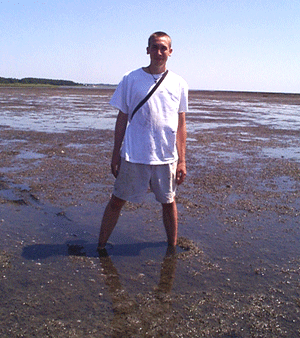 Oxygen enters estuarine waters through two
natural processes: (1) diffusion from the atmosphere and (2)
photosynthesis by aquatic plants. The mixing of surface waters by wind
and waves increases the rate at which oxygen from the air can be
dissolved or absorbed into the water. The solubility of oxygen, or its
ability to dissolve in water, decreases as water temperature and
salinity increase.
Oxygen enters estuarine waters through two
natural processes: (1) diffusion from the atmosphere and (2)
photosynthesis by aquatic plants. The mixing of surface waters by wind
and waves increases the rate at which oxygen from the air can be
dissolved or absorbed into the water. The solubility of oxygen, or its
ability to dissolve in water, decreases as water temperature and
salinity increase.
Plants and algae produce oxygen during the day as a by-product of photosynthesis. Microbes reduce DO levels in estuaries when they decompose organic matter using oxygen. Animals use oxygen in cellular respiration processes to transform digested organic matter into energy. Due to the shifting balance of physical, chemical and biological processes, DO levels in estuaries vary both seasonally and diurnally (daily). Hot, still conditions and periods of high biological activity during summer months can lead to dangerously low DO levels in estuaries. Highly productive shallow water areas are most likely to become oxygen-depleted at night during the summer when temperature and respirations rates are high, or after a period of cloudy days when the supply of oxygen from photosynthesis is reduced.
Other parts of the Bay, especially the deep channel of the main stem, develop persistent hypoxia or anoxia during the late spring and summer months. Dissolved oxygen levels may remain below the critical threshold for months. This area is referred to as the Bay's "dead zone" where few organisms other than bacteria and Archaea live.
Large nutrient inputs are especially problematic for estuaries because they may stimulate algal blooms, which subsequently support high levels of respiration. When algae die, their decomposition by microbes depletes the surrounding water of oxygen and may lead to hypoxic (very low oxygen) conditions that kill aquatic animals. Microbial respiration may also be stimulated when wastewater with large amounts of organic material enters an estuary.
Regardless
of the source of organic matter, oxygen depletion will occur when
physical mixing and photosynthesis cannot replace oxygen at the rate it
is being consumed by respiration processes. Shallow, well-mixed
estuaries are less susceptible to this phenomenon because wave action
and circulation patterns supply the waters with plentiful oxygen.
Dissolved oxygen (DO) is important in aquatic ecosystems because it
determines the types and abundances of organisms that can survive there
and flourish. Some shallow subtidal habitats of Chesapeake Bay
experience periodic hypoxia or anoxia. Dissolved oxygen may remain high
enough to support animals such as highly active fish, and at other
times declines below a critical threshold.
When the level of dissolved oxygen in the water falls below 4 mg/L, many fish and active invertebrates will choose to leave the area by swimming or crawling away. At 2 mg/L the water is considered hypoxic, and conditions become stressful for many benthic invertebrate species.
Under anoxic conditions (dissolved oxygen = 0 mg/L) bacteria decompose organic matter using sulfate instead of oxygen, and sulfide (a by-product of anaerobic metabolism) will accumulate. Sulfide is toxic to many organisms, including sea grasses and benthic invertebrates. Microbial processes (nitrification, denitrification) responsible for transforming and removing nitrogen from sediments are also inhibited by sulfide and may result in a build-up of nitrogen in sediment. When bottom waters become anoxic, sediments tend to release iron and phosphorus into the water column, which may serve to fuel algal grow if phosphorus has been limiting (see nutrients).
Survival
in hypoxic or anoxia conditions depends on the adaptations of each of
species within a habitat. While some clam species can survive for weeks
in anoxic conditions, many small crustaceans die within minutes to
hours. There are many benthic species in Chesapeake Bay that can
survive for at least a few days if the water stays hypoxic rather than
anoxic, and especially if sulfide levels remain relatively low
For further information about dissolved oxygen and its effects in
estuarine and coastal marine habitats refer to the following:
Diaz, R., J. & Rosenberg, R. 1995. Marine benthic hypoxia: A review of its ecological effects and the behavioural responses of benthic macrofauna. Oceanogr. Mar. Biol. Ann. Rev. 33: 245-303.
Levinton, J. S. 2001. Marine Biology. Oxford University Press; Chapter 4 – The chemical and physical environment