
Research Topics
Follow your interests to explore research at William & Mary's Batten School & VIMS
Choose a topic to access related top stories, advisory reports, journal articles, theses and dissertations and a listing of affiliated labs, projects and centers at the Batten School of Coastal & Marine Sciences & VIMS.
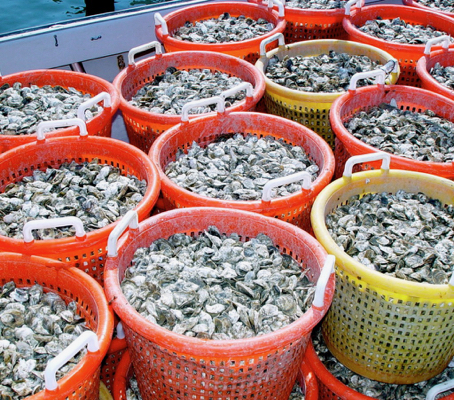
Oysters
We jump-started and continue to lead efforts to restore and farm these tasty bivalves.
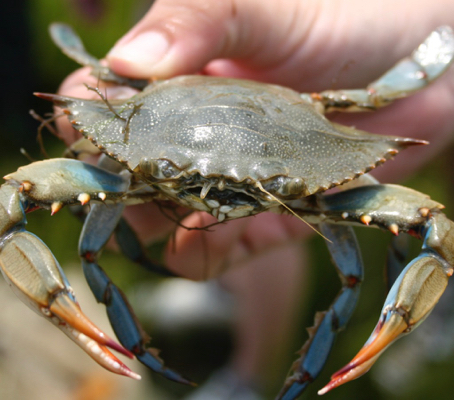
Blue Crabs
The Batten School & VIMS provide the science to help responsibly manage this Chesapeake Bay icon.
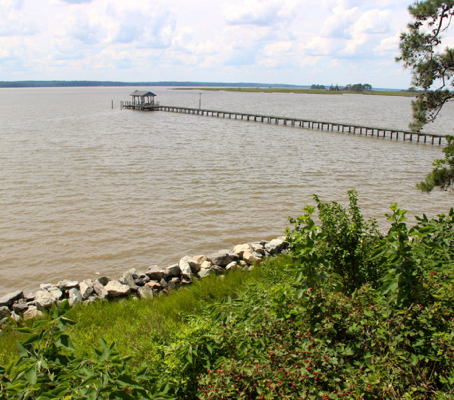
Coastal Resources
Wise coastal-zone management requires knowledge of marine, shoreline and watershed processes.
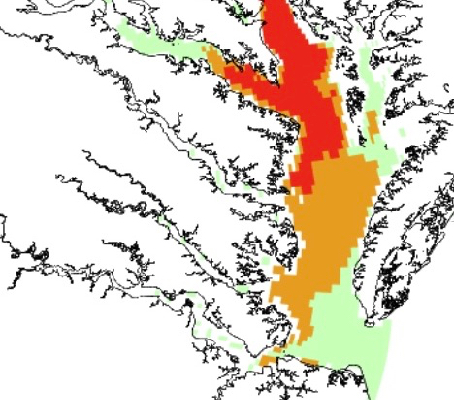
Dead Zones
The Batten School & VIMS brought worldwide attention to these low-oxygen waters and now forecast their severity.
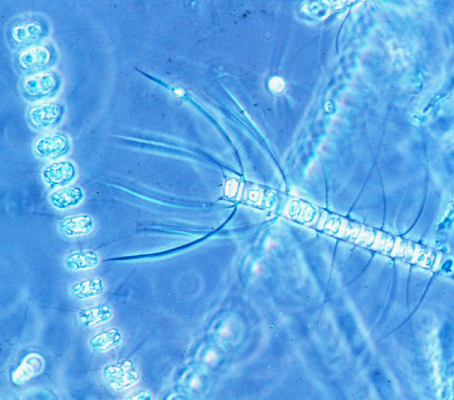
Marine Ecology
We illuminate the biology of marine organisms and the varied processes that connect them.
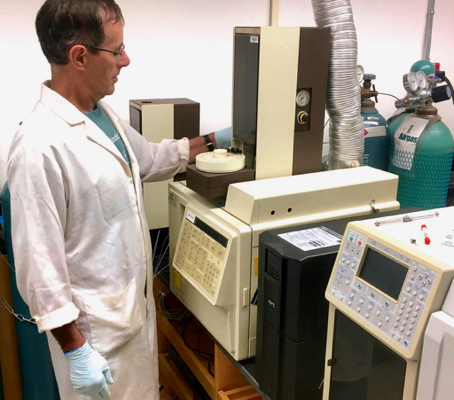
Pollution
The Batten School & VIMS detect, identify and assess the risks of marine toxins, plastics and pollutants.
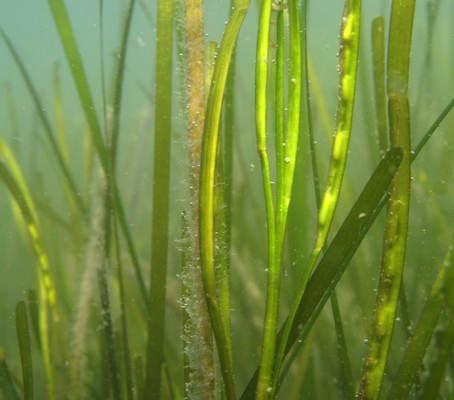
Bay Grasses
We monitor and restore the underwater plants that shelter and feed many Bay organisms.
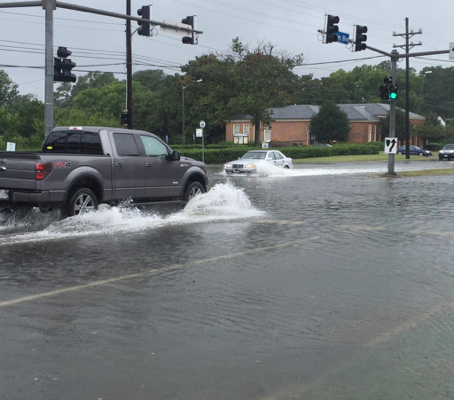
Global Change
The Batten School & VIMS monitor and forecast sea-level rise and other processes that threaten coastal ecosystems.
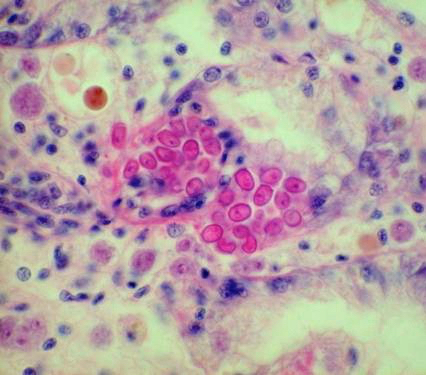
Disease & Immunity
We use new and traditional tools to identify disease organisms and the genetics of immunity.
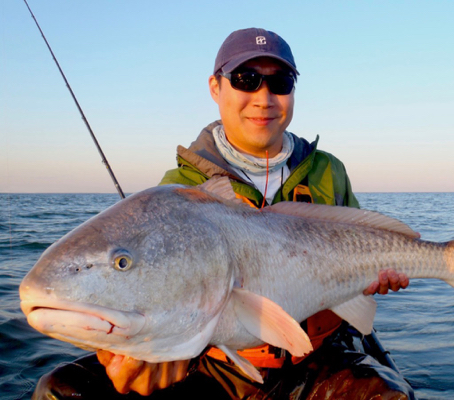
Fisheries
The Batten School & VIMS lead in efforts to monitor, restore and manage recreational and commercial fisheries.
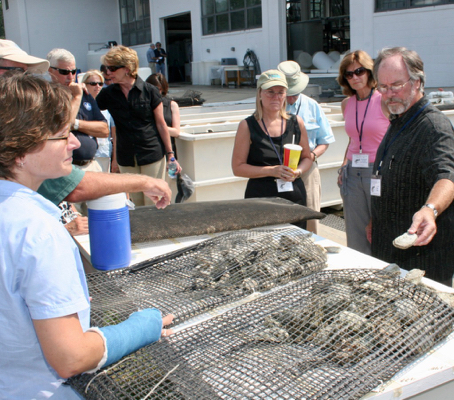
Aquaculture
We help guide the development of sustainable fish and shellfish aquaculture.
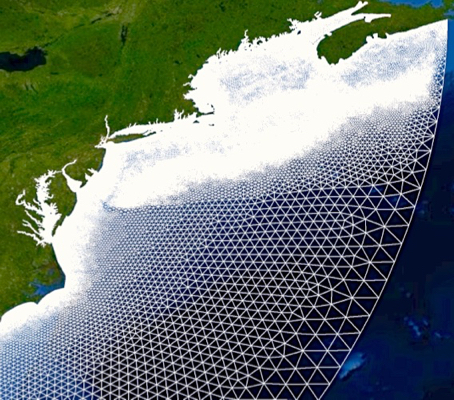
Observing & Modeling
The Batten School & VIMS combine computer models and real-time data to predict storm surge, food-web dynamics and more.