Pollution
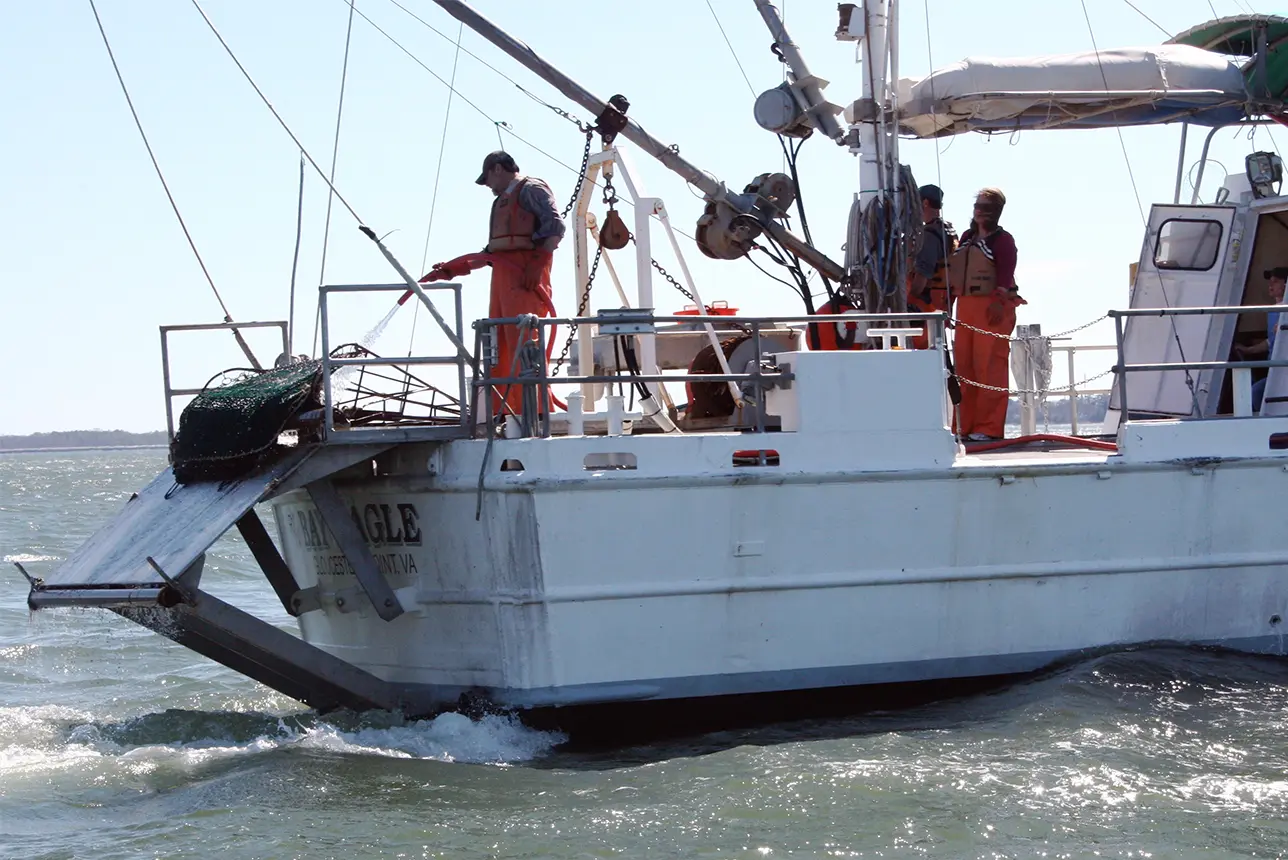
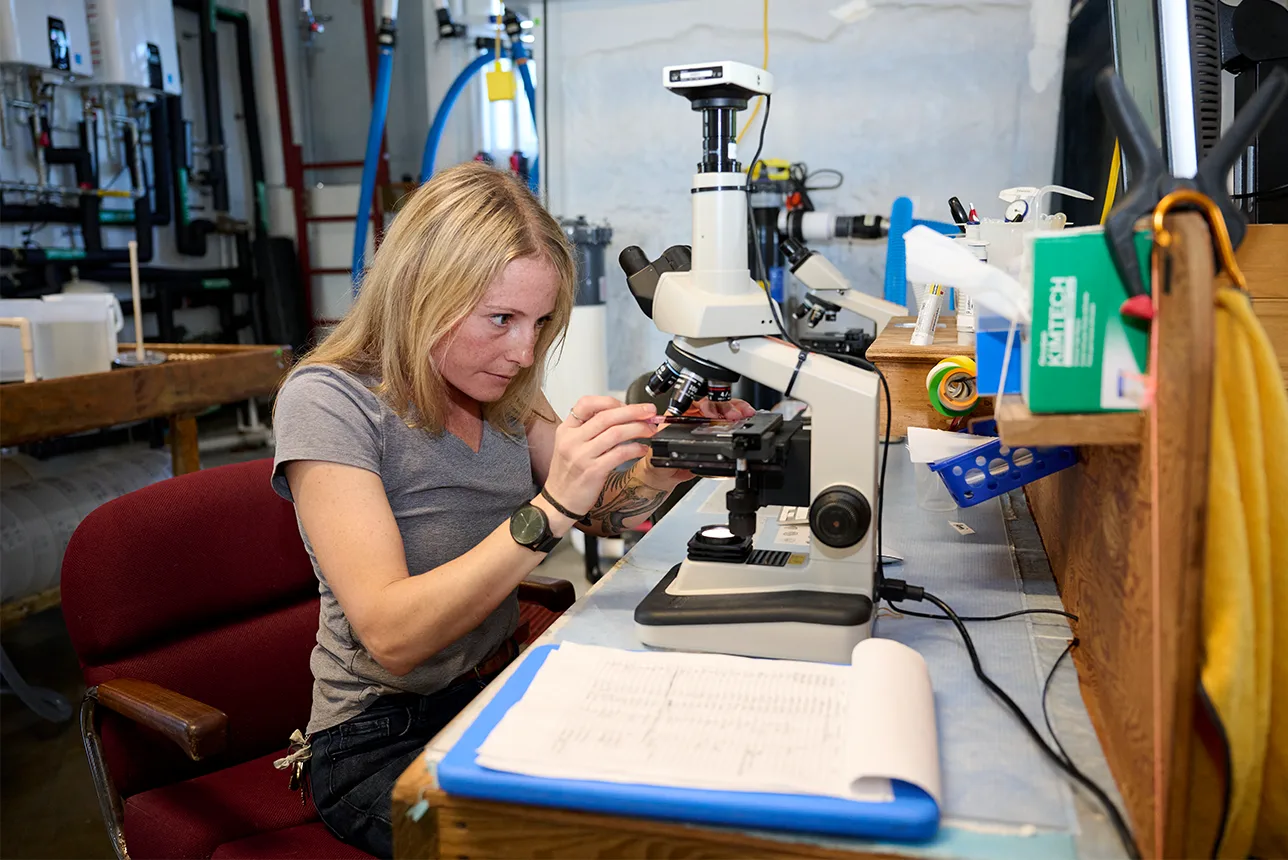
Toxicologists and environmental chemists at VIMS use cutting-edge analytical instruments to detect, identify, and assess the risks of marine pollutants such as brominated flame retardants (PBDEs), Kepone©, heavy metals like mercury, persistent organic pollutants (POPs), polycyclic aromatic hydrocarbons (PAHs), and tributyl tin (TBT).
Top Stories | Crest Articles | Adv Service Reports | Labs & Groups | SRAMSOE | Articles | Dissertations | Links
Top Stories
Research sheds light on importance of submarine groundwater (November 2010)
Research by professor Aaron Beck suggests that flows of underground water may play a bigger role in marine ecosystems than previously thought.
Diaz briefs Congress on environmental effects of oil dispersants (July 2010)
VIMS professor Robert Diaz briefs Congress on the ecological effects of the chemical dispersants used in the Gulf oil spill.
Study can help minimize impact of dredge spoils (July 2010)
VIMS professor Linda Schaffner provides data that can help in-water disposal of dredge spoils proceed with minimal environmental impact.
VIMS helps bring science to Gulf spill (June 2010)
VIMS researchers and alumni are helping to craft the nation's immediate and long-term scientific responses to the Gulf oil spill.
Facilities Management earns wastewater awards (April 2010)
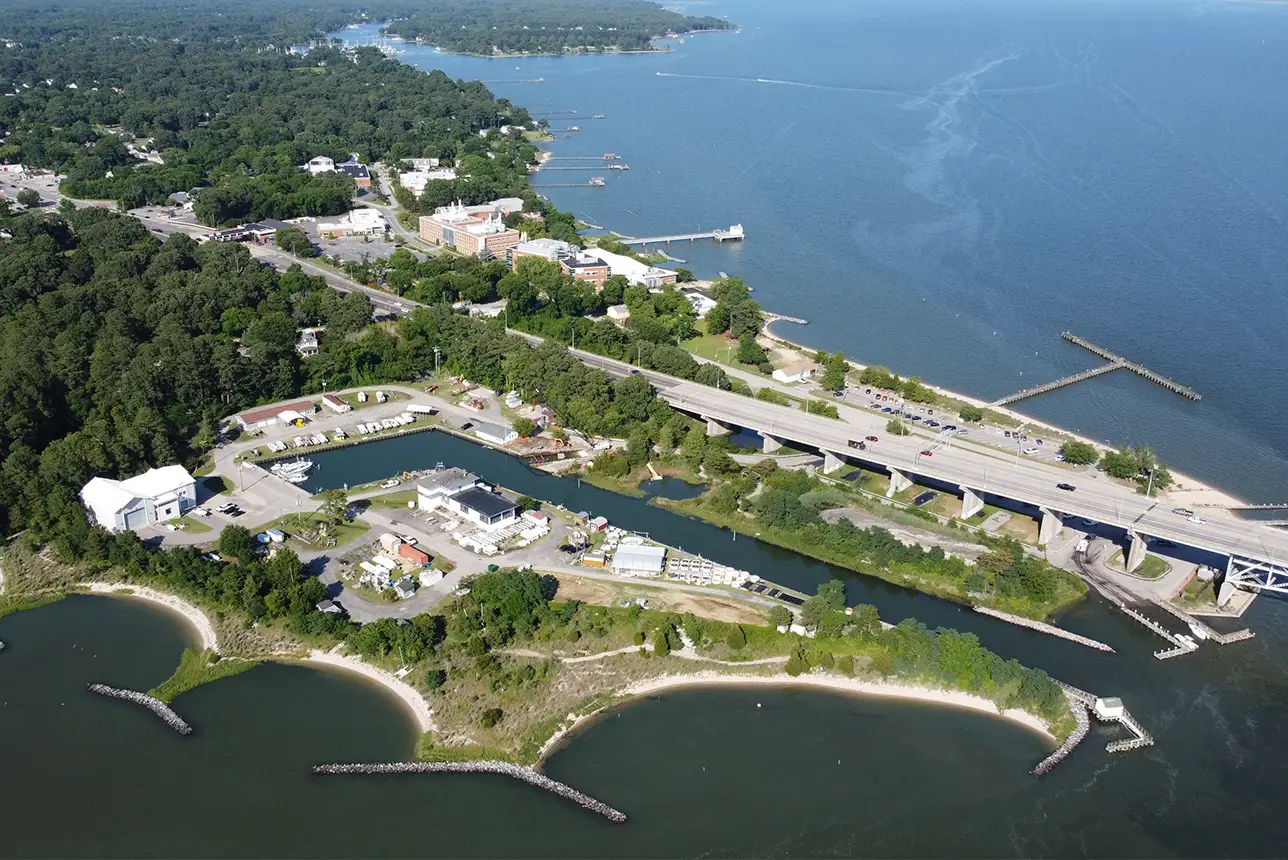
VIMS has received two prestigious awards in recognition of exemplary performance in managing wastewater on its 40-acre campus in Gloucester Point.
VIMS assists in oil-spill drill (October 2009)
Oil-spill exercise on the York River helps emergency-management teams better coordinate their responses to such an event.
VIMS researchers use contaminants to reveal origin of Atlantic tuna (October 2009)
Professor Rebecca Dickhut and colleagues use chemical contaminants to reveal the birthplace of bluefin tuna in the Atlantic Ocean.
Team detects deep-sea contamination (June 2008)
VIMS researchers have detected manmade contaminants in the tissues of deep-sea squid and octopi. The team's discovery helps explain elevated contaminant levels recently found in whales and other marine mammals, many species of which depend on deep-sea squid and octopi for food.
DDT persists in Antarctic ice (May 2008)
Research by VIMS graduate student Heidi Geisz and colleagues shows that DDT and its breakdown products persist within the tissues of Adélie penguins, three decades after use of the powerful pesticide was banned in most countries. The findings raise concern about the potential cumulative effects of contaminants on penguins and other Antarctic predators.
PBDEs in Chinese raptors (Feb 2007)
A study led by VIMS researchers Da Chen and Rob Hale reveals that birds of prey in China have some of the highest levels of polybrominated diphenyl ethers (PBDEs) ever recorded in an animal.
Crest Articles
Dickhut puts pollutants to good use
Professor Rebecca Dickhut is attempting to use persistent organic pollutants such as PCBs and chlordane to help measure the degree of mixing between Mediterranean and western Atlantic stocks of bluefin tuna—a finding with important implications for management of the bluefin fishery
Biosensors promise new era in research
VIMS researchers are tapping the immune system’s power—and the latest advances in electronic instruments—to create antibody-based sensors that can recognize and bind with viruses, bacteria, and toxins.
Hale takes PBDE research to the air
VIMS Professor Dr. Rob Hale is collaborating with avian experts from around Chesapeake Bay to determine the exposure of osprey to new and traditional environmental contaminants
Research questions environmental safety of flame retardant
A
study by VIMS graduate student researcher Mark La Guardia provides new
evidence of the release and environmental accumulation of a common
flame-retardant chemical. His findings come in light of a voluntary
decision by the main U.S. manufacturer to discontinue production of two
other closely related flame retardants.
TBT or not TBT: Collaborators Search for a Solution to Pollution
VIMS researcher Dr. Mike Unger and colleagues at ODU are developing a mobile treatment plant to keep the toxic compound TBT from entering seawater.
VIMS environmental scientists spearhead PBDE research in USA
Dr. Rob Hale and colleagues lead the nation in studies of the source, fate, and effects of polybrominated flame retardants (PBDEs) in the environment.
VIMS scientists explore pollution of Antarctic sea ice
VIMS researchers investigate the role that sea ice plays in injecting “persistent organic pollutants,” or POPs, into polar food webs.
Researchers discover new pollutants infiltrating Virginia rivers
Prof. Rob Hale discovers that PBDEs are dispersed thoughout the Roanoke and Dan rivers in southeastern Virginia.
Advisory Service Reports
- Virginia. Dept. of Environmental Quality, Virginia. Dept. of Agriculture and Consumer Services., Virginia. Dept. of Forestry., and Virginia Institute of Marine Science. 1994. Actions and options for Virginia's Potomac Basin tributary nutrient reduction strategy. Dept. of Environmental Quality, Richmond, Va.
- Boesch, D. F., and Corvallis Environmental Research Laboratory. 1977. Application of numerical classification in ecological investigations of water pollution. Environmental Protection Agency, Office of Research and Development.
- Virginia Institute of Marine Science. 1971. Thermal effects of the Surry Nuclear Power Plant on the James River, Virginia: The design of the monitoring system Virginia Institute of Marine Science, Gloucester Point, VA.
Labs, Centers, and Groups
- Ecotoxicology
- Environmental Chemistry
- Environmental Microbiology
- Risk Assessment
- VA-DEQ Elizabeth River Tributyltin Monitoring Program
Special Reports in Applied Marine Science and Ocean Engineering (SRAMSOE)
- Kuo A, SC Kim, K Park, MD Phillips, and Virginia. Dept. of Environmental Quality. 1999. Development of an Expert System Based on a Tidal Prism Water Quality Model for Small Coastal Basins in Virginia. Report 357.
- Kator HI, and MW Rhodes. 1996. Identification of Pollutant Sources Contributing to Degraded Sanitary Water Quality in Taskinas Creek National Estuarine Research Reserve, Virginia. Report 336.
- Rhodes MW, HI Kator, and BJ Neilson. 1993. A Water Quality Study of Lake Matoaka. Report 320. pp.
- Kator HI, MW Rhodes, and Virginia Division of Soil and Water Conservation. 1989. Occurrence of Indicators of Fecal Pollution in Water and Sediment of a Subestuary Impacted by Non-Point Pollution. Report 303.
- Kator HI, MW Rhodes, and Virginia Council on the Environment. 1988. Evaluation of Alternate Microbial Indicators of Fecal Pollution in a Non-Point Source Impacted Shellfish Growing Area : A Final Report Submitted to the Council on the Environment. Report 297. pp.
- LeBlanc NE, MH Roberts, and DR Wheeler. 1978. Disinfection Efficiency and Relative Toxicity of Chlorine and Bromine Chloride : A Pilot Plant Study in an Estuarine Environment. Report 206.
- Neilson BJ. 1977. Non-Point Source Sampling in the Hampton Roads Area: A Report to the Hampton Roads Water Quality Agency. Report 128. pp.
- Fang CS, and GC Parker. 1976. Thermal Effects of the Surry Nuclear Power Plant on the James River, Virginia: Results of Monitoring Physical Parameters. Report 109.
- Parker GC, and CS Fang. 1975. Thermal Effects of the Surry Nuclear Power Plant on the James River, Virginia: Part V, Results of Monitoring Physical Parameters During the First Two Years of Plant Operation. Report 92.
- Shearls EA, SN Chia, WJ Hargis, CS Fang, and RN Lobecker. 1973. Thermal Effects of the Surry Nuclear Power Plant on the James River, Virginia: Part Iii, Results of Monitoring Physical Parameters of the Environment Prior to Plant Operation. Report 33. 345
- Chia SN, CS Fang, RL Bolus, and WJ Hargis. 1972. Thermal Effects of the Surry Nuclear Power Plant on the James River, Virginia: Part Ii, Results of Monitoring Physical Parameters of the Environment Prior to Plant Operation. Report 21. 343
- Bolus RL, SN Chia, and CS Fang. 1971. The Design of the Monitoring System for the Thermal Effect Study of the Surry Nuclear Power Plant on the James River. Report 16.
- Brehmer ML, SO Haltiwanger, and WI Simmonds. 1967. A Biological and Chemical Study of the Nansemond River, Virginia Report 9.
- Hargis WJ. 1962. Current Knowledge on the Hydrography and Biology of the Estuarine Portion of the James River : Prepared for the Commission to Study Matters Pertaining to the James River Report 3. 15
Journal Articles
- Conrad, C. F., D. Fugate, J. Daus, C. J. Chisholm-Brause, and S. A. Kuehl. 2007. Assessment of the historical trace metal contamination of sediments in the Elizabeth River, Virginia. Marine Pollution Bulletin 54(4):385-395.
- Mckernan, M. A., B. A. Rattner, R. C. Hale, and M. A. Ottinger. 2007. Egg incubation position affects toxicity of air cell administered polychlorinated biphenyl 126 (3,3 ',4,4 ',5-pentachlorobiphenyl) in chicken (Gallus gallus) embryos. Environmental Toxicology and Chemistry 26(12):2724-2727.
- Wu, N., and coauthors. 2007. Human exposure to PBDEs: Associations of PBDE body burdens with food consumption and house dust concentrations. Environmental Science & Technology 41(5):1584-1589.
- Kimbrough, K. L., and R. M. Dickhut. 2006. Assessment of polycyclic aromatic hydrocarbon input to urban wetlands in relation to adjacent land use. Marine Pollution Bulletin 52(11):1355-1363.
- La Guardia, M. J., R. C. Hale, and E. Harvey. 2006. Detailed polybrominated diphenyl ether (PBDE) congener composition of the widely used penta-, octa-, and deca-PBDE technical flame-retardant mixtures. Environmental Science & Technology 40(20):6247-6254.
- Lim, H. S., R. J. Diaz, J. S. Hong, and L. C. Schaffner. 2006. Hypoxia and benthic community recovery in Korean coastal waters. Marine Pollution Bulletin 52(11):1517-1526.
- Ranger, B. S., and coauthors. 2006. Globally distributed mycobacterial fish pathogens produce a novel plasmid-encoded toxic macrolide, mycolactone F. Infection and Immunity 74(11):6037-6045.
- Valenti, T. W., and coauthors. 2006. Chlorine toxicity to early life stages of freshwater mussels (Bivalvia : Unionidae). Environmental Toxicology and Chemistry 25(9):2512-2518.
- Conrad, C. F., and C. J. Chisholm-Brause. 2004. Spatial survey of trace metal contaminants in the sediments of the Elizabeth River, Virginia. Marine Pollution Bulletin 49(4):319-324.
- Mezin, L. C., and R. C. Hale. 2004. Effect of humic acids on toxicity of DDT and chlorpyrifos to freshwater and estuarine invertebrates. Environmental Toxicology and Chemistry 23(3):583-590.
- Stoeckel, D. M., and coauthors. 2004. Comparison of seven protocols to identify fecal contamination sources using Escherichia coli. Environmental Science & Technology 38(22):6109-6117.
- Ownby, D. R., and M. C. Newman. 2003. Advances in quantitative ion character-activity relationships (QICARs): Using metal-ligand binding characteristics to predict metal toxicity. QSAR & Combinatorial Science 22(2):241-246.
- Berry, J. P., and coauthors. 2002. Are Pfiesteria species toxicogenic? Evidence against production of ichthyotoxins by Pfiesteria shumwayae. Proceedings of the National Academy of Sciences of the United States of America 99(17):10970-10975.
- Marcantonio, F., A. Zimmerman, Y. F. Xu, and E. Canuel. 2002. A Pb isotope record of mid-Atlantic US atmospheric Pb emissions in Chesapeake Bay sediments. Marine Chemistry 77(2-3):123-132.
- Diaz, R. J. 2001. Overview of hypoxia around the world. Journal of Environmental Quality 30(2):275-281.
- McKinney, J. D., A. Richard, C. Waller, M. C. Newman, and F. Gerberick. 2000. The practice of structure activity relationships (SAR) in toxicology. Toxicological Sciences 56(1):8-17.
- Bytnerowicz, A., and coauthors. 1999. Chemical composition of air, soil and vegetation in forests of the Silesian Beskid Moutains, Poland. Water Air and Soil Pollution 116(1-2):141-150.
- Cooper, P. S., W. K. Vogelbein, and P. A. Van Veld. 1999. Altered expression of the xenobiotic transporter P-glycoprotein in liver and liver tumours of mummichog (Fundulus heteroclitus) from a creosote-contaminated environment. Biomarkers 4(1):48-58.
- Padma, T. V., R. C. Hale, M. H. Roberts, and R. N. Lipcius. 1999. Toxicity of creosote water-soluble fractions generated from contaminated sediments to the bay mysid. Ecotoxicology and Environmental Safety 42(2):171-176.
- Rhodes, M. W., and J. Kator. 1999. Sorbitol-fermenting bifidobacteria as indicators of diffuse human faecal pollution in estuarine watersheds. Journal of Applied Microbiology 87(4):528-535.
- Armknecht, S. L., S. L. Kaattari, and P. A. Van Veld. 1998. An elevated glutathione S-transferase in creosote-resistant mummichog (Fundulus heteroclitus). Aquatic Toxicology 41(1-2):1-16.
- Driscoll, S. B. K., L. C. Schaffner, and R. M. Dickhut. 1998. Toxicokinetics of fluoranthene to the amphipod, Leptocheirus plumulosus, in water-only and sediment exposures. Marine Environmental Research 45(3):269-284.
- Gelsleichter, J., E. Cortes, C. A. Manire, R. E. Hueter, and J. A. Musick. 1998. Evaluation of toxicity of oxytetracycline on growth of captive nurse sharks, Ginglymostoma cirratum. Fishery Bulletin 96(3):624-627.
- Newman, M. C., J. T. McCloskey, and C. P. Tatara. 1998. Using metal-ligand binding characteristics to predict metal toxicity: Quantitative ion character-activity relationships (QICARs). Environmental Health Perspectives 106:1419-1425.
- Padma, T. V., R. C. Hale, and M. H. Roberts. 1998. Toxicity of water-soluble fractions derived from whole creosote and creosote-contaminated sediments. Environmental Toxicology and Chemistry 17(8):1606-1610.
- Tatara, C. P., M. C. Newman, J. T. McCloskey, and P. L. Williams. 1998. Use of ion characteristics to predict relative toxicity of mono-, di- and trivalent metal ions: Caenorhabditis elegans LC50. Aquatic Toxicology 42(4):255-269.
- Luebke, R. W., and coauthors. 1997. Aquatic pollution-induced immunotoxicity in wildlife species. Fundamental and Applied Toxicology 37(1):1-15.
- Sved, D. W., M. H. Roberts, and P. A. VanVeld. 1997. Toxicity of sediments contaminated with fractions of creosote. Water Research 31(2):294-300.
- Weisberg, S. B., and coauthors. 1997. An estuarine benthic index of biotic integrity (B-IBI) for Chesapeake Bay. Estuaries 20(1):149-158.
- Anderson, R. S., M. A. Unger, and E. M. Burreson. 1996. Enhancement of Perkinsus marinus disease progression in TBT-exposed oysters (Crassostrea virginica). Marine Environmental Research 42(1-4):177-180.
- Harmon, V. L., and C. J. Langdon. 1996. A 7-D toxicity test for marine pollutants using the Pacific mysid Mysidopsis intii .2. Protocol evaluation. Environmental Toxicology and Chemistry 15(10):1824-1830.
- Langdon, C. J., and coauthors. 1996. A 7-D toxicity test for marine pollutants using the Pacific mysid Mysidopsis intii .1. Culture and protocol development. Environmental Toxicology and Chemistry 15(10):1815-1823.
- Bauer, J. E., C. E. Reimers, E. R. M. Druffel, and P. M. Williams. 1995. Isotopic Constraints on Carbon Exchange between Deep-Ocean Sediments and Sea-Water. Nature 373(6516):686-689.
- Sved, D. W., and M. H. Roberts. 1995. A Novel Use for the Continuous-Flow Serial Diluter - Aquatic Toxicity Testing of Contaminated Sediments in Suspension. Water Research 29(4):1169-1177.
- Chu, F. L. E., and R. C. Hale. 1994. Relationship between Pollution and Susceptibility to Infectious-Disease in the Eastern Oyster, Crassostrea virginica. Marine Environmental Research 38(4):243-256.
- Delisle, P. F., and M. H. Roberts. 1994. The Effect of Salinity on Cadmium Toxicity in the Estuarine Mysid Mysidopsis Bahia - Roles of Osmoregulation and Calcium. Marine Environmental Research 37(1):47-62.
- Kellyreay, K., and B. A. Weeksperkins. 1994. Determination of the Macrophage Chemiluminescent Response in Fundulus heteroclitus as a Function of Pollution Stress. Fish & Shellfish Immunology 4(2):95-102.
- Mo, C., and B. Neilson. 1994. Standardization of Oyster Soft-Tissue Dry-Weight Measurements. Water Research 28(1):243-246.
- Rhodes, M. W., and H. Kator. 1994. Seasonal Occurrence of Mesophilic Aeromonas Spp as a Function of Biotype and Water-Quality in Temperate Fresh-Water Lakes. Water Research 28(11):2241-2251.
- Smith, W. H., R. C. Hale, J. Greaves, and R. J. Huggett. 1993. Trace Organochlorine Contamination of the Forest Floor of the White Mountain National Forest, New Hampshire. Environmental Science & Technology 27(10):2244-2246.
- Faisal, M., and R. J. Huggett. 1992. Suppression of the Cytotoxic Activity of Mummichog, Fundulus heteroclitus, by Benzo(a)Pyrene and Its Metabolites. FASEB Journal 6(5):A1876-A1876.
- Rhodes, M. W., and H. Kator. 1992. Reply: Use of Salmonella-Typhimurium Wg49 to Enumerate Male-Specific Coliphages in an Estuary and a Watershed Subject to Nonpoint Pollution. Water Research 26(5):705-705.
- Chiappelli, F., and coauthors. 1991. Differential Effect of Beta-Endorphin on 3 Human Cytotoxic-Cell Populations. International Journal of Immunopharmacology 13(2-3):291-297.
- Evans, D. A., and R. J. Huggett. 1991. Statistical Modeling of Intensive TBT Monitoring Data in 2 Tidal Creeks of the Chesapeake Bay. Marine Environmental Research 32(1-4):169-186.
- Faisal, M., B. A. Weeks, W. K. Vogelbein, and R. J. Huggett. 1991. Evidence of Aberration of the Natural Cytotoxic-Cell Activity in Fundulus heteroclitus (Pisces, Cyprinodontidae) from the Elizabeth River, Virginia. Veterinary Immunology and Immunopathology 29(3-4):339-351.
- Rhodes, M. W., and H. I. Kator. 1991. Use of Salmonella-Typhimurium Wg49 to Enumerate Male-Specific Coliphages in an Estuary and Watershed Subject to Nonpoint Pollution. Water Research 25(11):1315-1323.
Theses & Dissertations
- Carpenter, L. W. 2006. Physiological Consequences of High Water Flow on the Coral Montastrea annularis (Ellis and Solander, 1786). Ph.D. Dissertation. The College of William and Mary, Gloucester Pt. VA.
- Ciparis, S. 2005. Bioavailability of Polybrominated Diphenyl Ether Flame Retardants in Biosolids and Spiked Sediment to the Aquatic Oligochaete, Lumbriculus variegatus. Master's Thesis. The College of William and Mary, Gloucester Pt. VA.
- Earnhart, C. G. 2004. Dynamics of the Host-Parasite Interaction: In Vitro Correlates of Crassostrea-Induced Modulation of Perkinsus Marinus Function. Ph.D. Dissertation. The College of William and Mary, Gloucester Pt. VA.
Suggested Links
- U.S.EPA Chesapeake Bay Program Office
- Society of Environmental Toxicology and Chemistry (SETAC)
- Elizabeth River Project
- Environmental Protection Agency
- Virginia Department of Environmental Quality
- Health Science Research Division - Ecological Risk Analysis: Tools and Applications
- Contaminated Sediments News (EPA Office of Water)
- Risk Excellence Notes (Dept. of Energy)
- Water Resources Assessment and Protection (U.S. Dept. of Agriculture)
- U.S. EPA National Center for Environmental Assessment
- U.S.EPA Final Guidelines for Ecological Risk Assessment
- Oak Ridge(ORNL) Ecological Risk Analysis
- OECD Chemicals Programme
- U.S. EPA Center for Environmental Information and Statistics (CEIS)
- The National Park Service: NPS website related to toxic chemicals