People

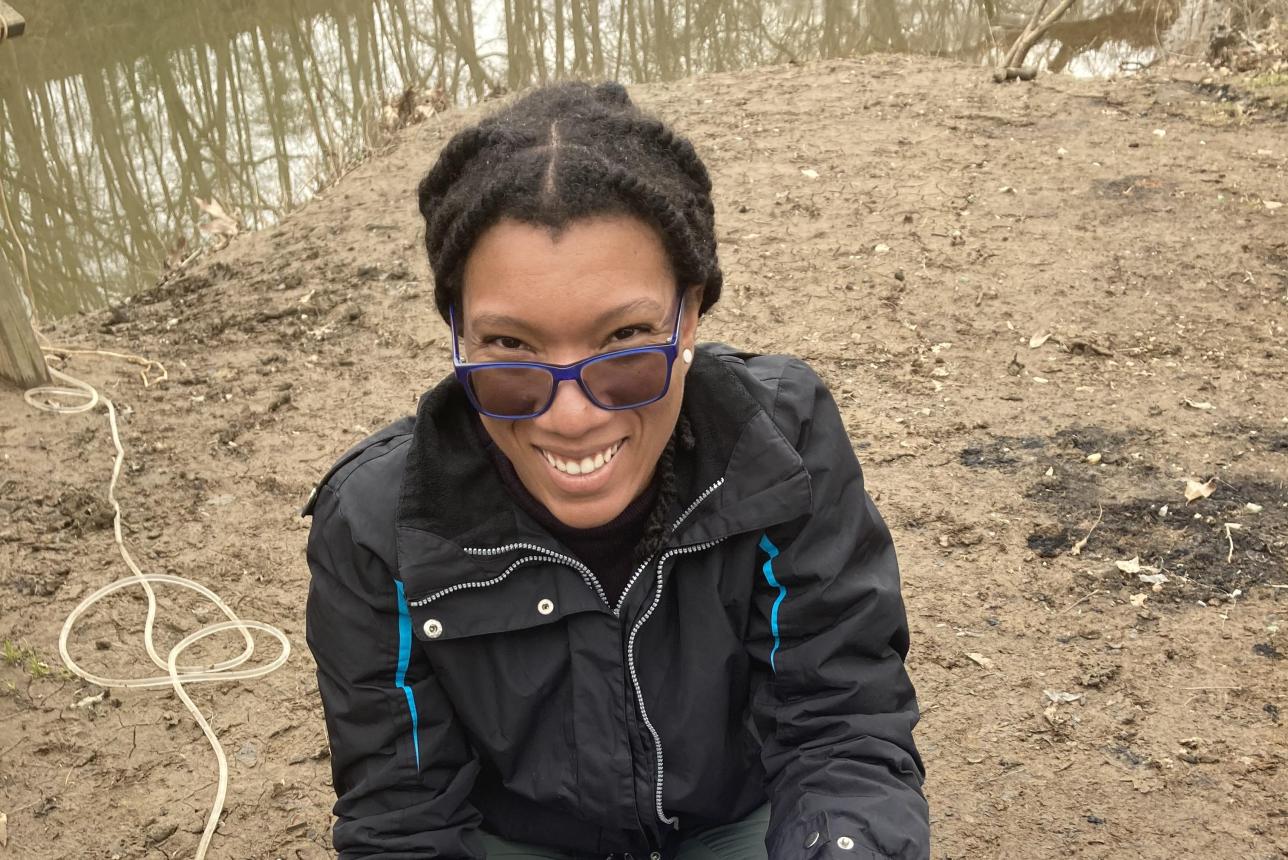
The Hardison Lab is led by Amber Hardison, the principal investigator. Quinn Roberts manages the lab and its Coastal Biogeochemistry Recharge Center. Graduate researchers Rachel Shrives and Novia Mann round out the current team.

Together, they study how carbon and nitrogen move through coastal ecosystems. Their work spans Virginia estuaries, wetlands, and Arctic lagoons, using field studies and laboratory methods to examine nutrient cycling, organic matter, and microbial communities.

Interested in joining the Hardison Lab? Contact Amber Hardison. Inquiries are welcome from high school, undergraduate, and graduate students, postdocs, and volunteers.
Amber Hardison

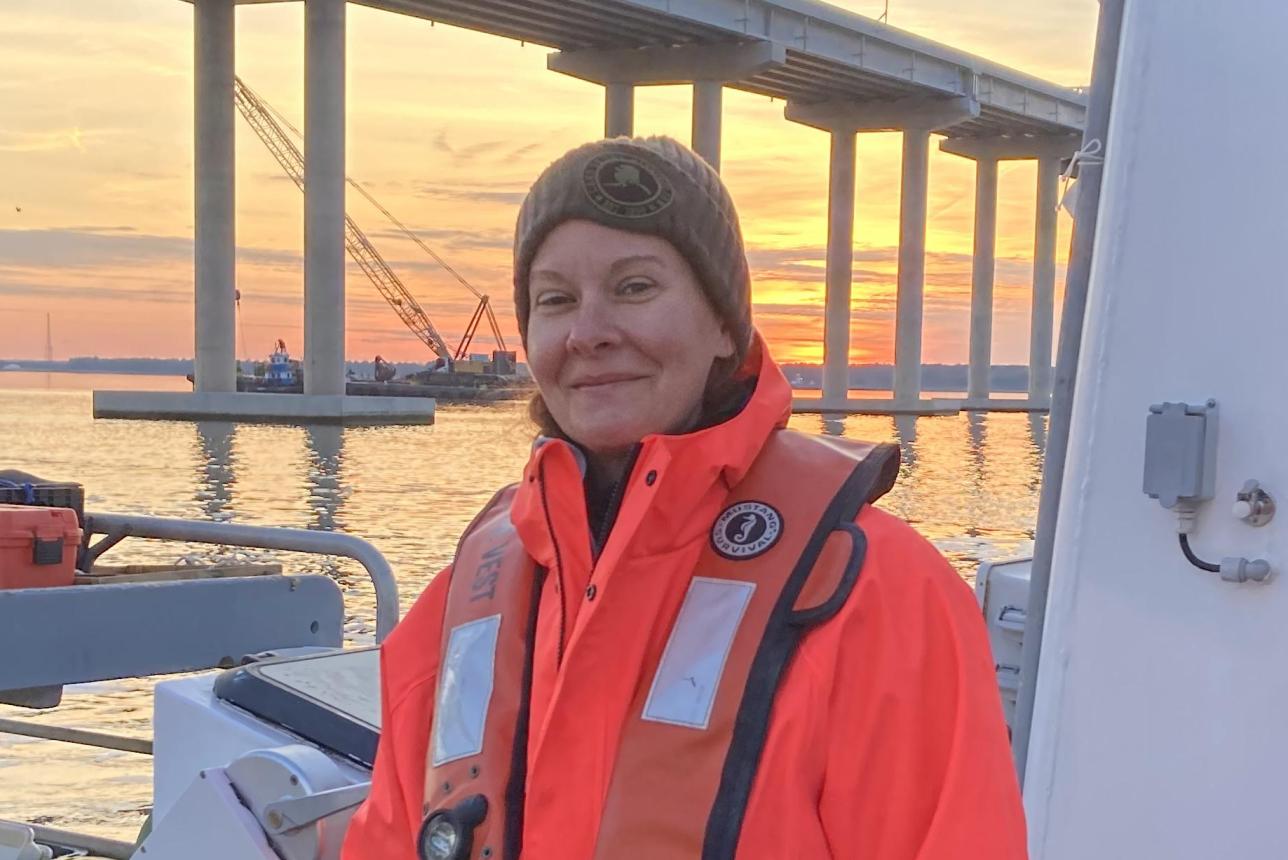
Amber received her B.S. in Chemistry (minor-Environmental Science) from the University of Virginia in 2003 and her PhD in Marine Science from VIMS in 2010. She is a marine biogeochemist who works in coastal ecosystems. She focuses on functional processes such as nutrient cycling and transformations of organic matter in marine ecosystems and apply biomarker and isotopic tools to understand these processes. Her research questions often try to unravel the impacts of human-induced and climatic changes on these processes. Her research sites have included shallow coastal bays in Maryland and Virginia, estuaries and rivers in Texas, a transect from the Providence River to the Rhode Island coastal shelf, and the Chukchi Sea and Beaufort Lagoon Ecosystem along the northern coast of Alaska.

Quinn Roberts

Quinn Roberts

Quinn received her B.S. in Marine Science from the University of South Carolina in 2001 and then received her M.S. in Marine Science at the Virginia Institute of Marine Science (VIMS), College of William and Mary in 2020.  She has worked at VIMS for over twenty years, starting as a laboratory technician and rising to the role of laboratory and field manager. Quinn enjoys both lab and field work, and the challenges that both environments bring. She currently runs the Coastal Biogeochemistry Recharge Center.

Rachel Shrives

Rachel Shrives

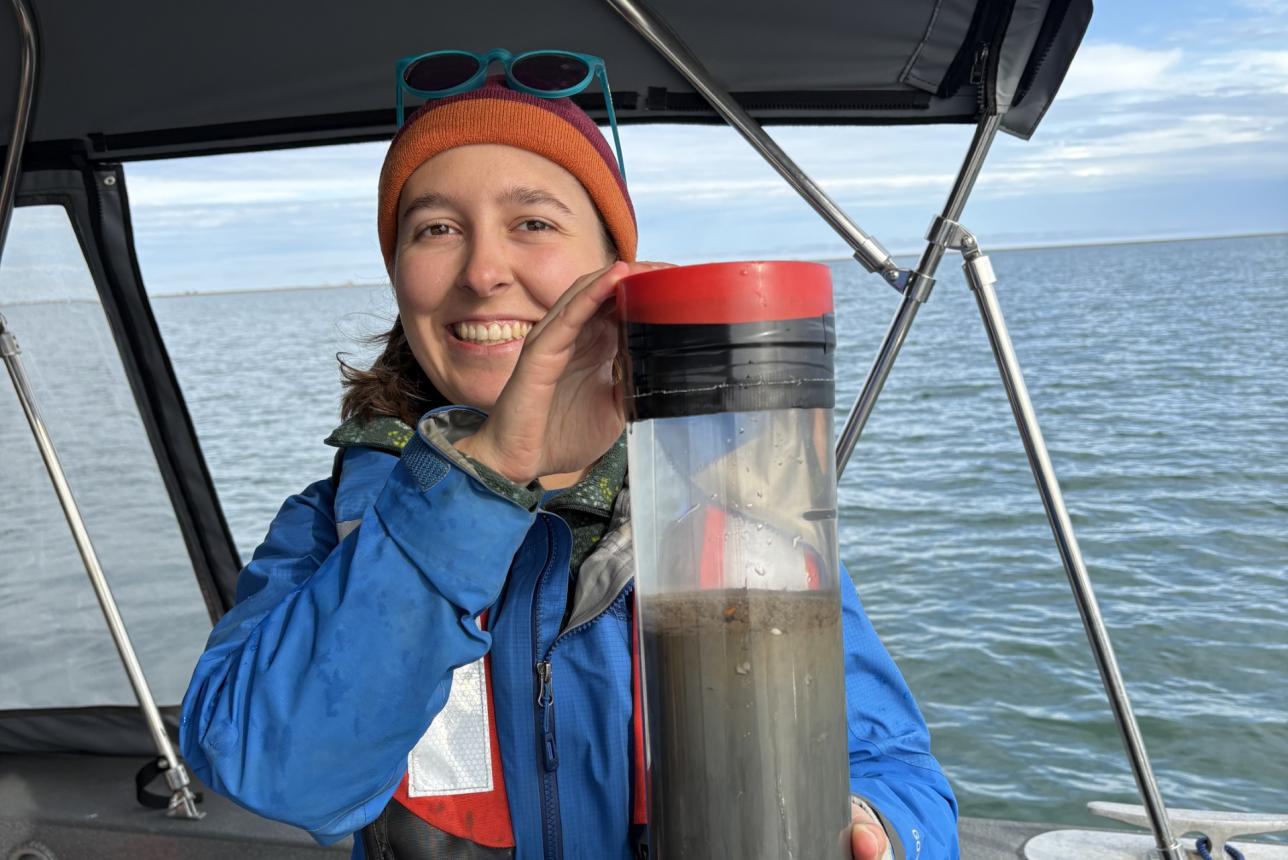
Rachel received her B.A. in Chemistry from Wellesley College in 2024. She joined the Hardison lab in the fall of 2024 to study coastal biogeochemistry in Alaskan Arctic Lagoons with the Beaufort Lagoon Ecosystems Long-Term Ecological Research Program (BLE-LTER).  Rachel’s research aims to better understand the carbon and nitrogen cycling processes in the lagoon ecosystem.  More specifically, she hopes to explore how terrestrial and marine inputs impact microbial nutrient cycling and net ecosystem metabolism in benthic systems experiencing dynamic seasonality.

Novia Mann

Novia Mann

Novia received her A.S. in Science from the Virginia Peninsula Community College in 2021 and her B.S. in Biochemistry from Old Dominion University in 2023. She joined the Hardison and Song labs in the fall of 2023 to study estuarine carbonate cycling and microbial ecology.  Novia is particularly interested in investigating the impacts of microplastics on organic carbon cycling and examining wetland microbial composition using eDNA.