

Research
Current Projects
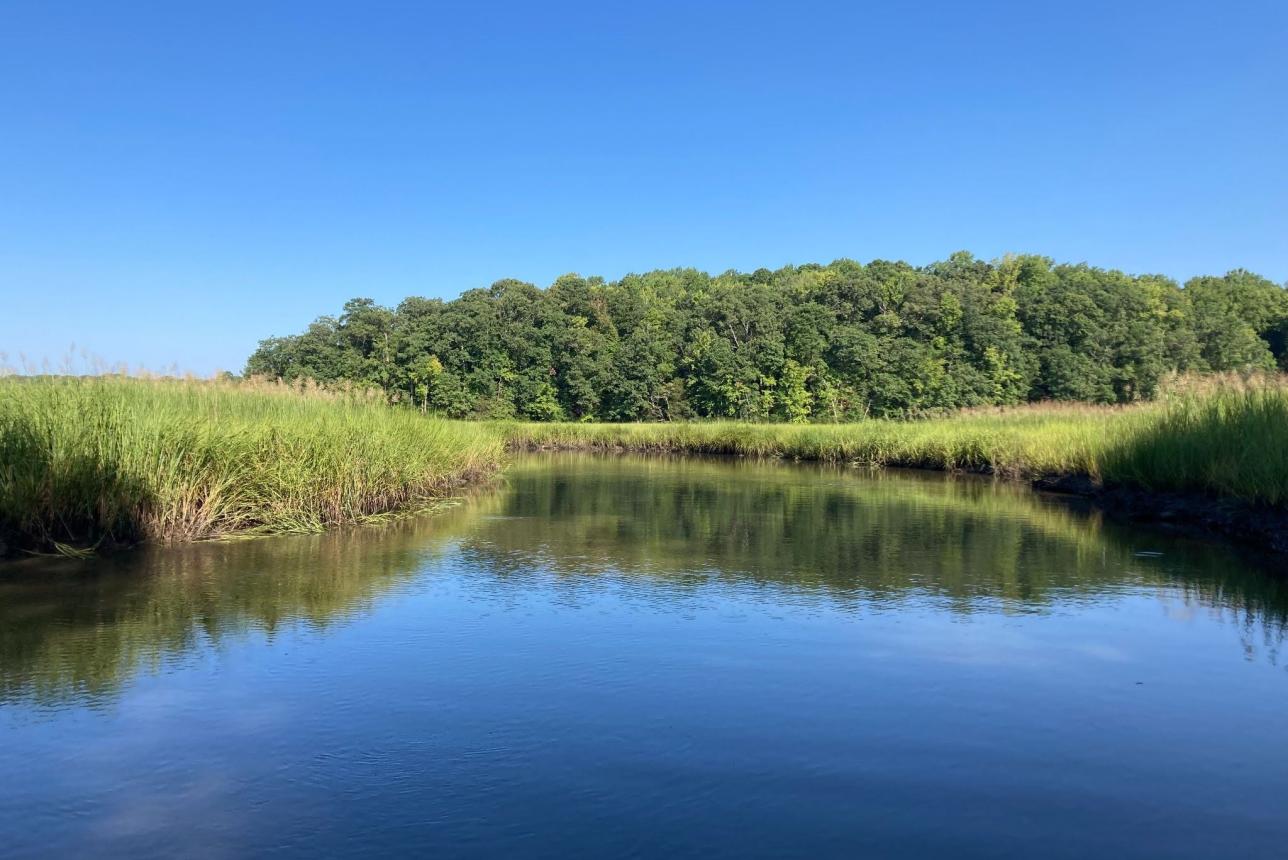 CHALK-How are estuarine carbon and alkalinity dynamics influenced by macrobiota?
Collaborators: Ray Najjar, Matt Fantle, and Maria Hermann at the University of Pennsylvania; Ryan Woodland and Lora Harris at the University of Maryland Center for Environmental Sciences; Cassie Gurbisz at St. Mary’s College of Maryland; Emily Rivest, Marjorie Friedrichs, and Pierre St-Laurent at VIMS; and Aleck Wang at Woods Hole Oceanographic Institution
Funding source: National Science Foundation
The transfer of carbon and alkalinity from the land to the ocean is a fundamental process in the global carbon cycle. Before reaching the open ocean, the carbon and alkalinity carried by rivers must pass through estuaries, where significant biogeochemical transformations take place. Many of these transformations are dominated by macrobiota, such as benthic fauna (e.g., bivalves), tidal wetlands (e.g., marshes and mangroves), and submerged aquatic vegetation (SAV, e.g., seagrasses and macroalgae). However, estuarine biogeochemical models and estimates of land-to-ocean fluxes of carbon and alkalinity generally ignore macrobiota, creating a gap in our knowledge and predictive capability. The overall objective of this proposal is to improve understanding of the role that macrobiota play in estuarine carbon and alkalinity dynamics.
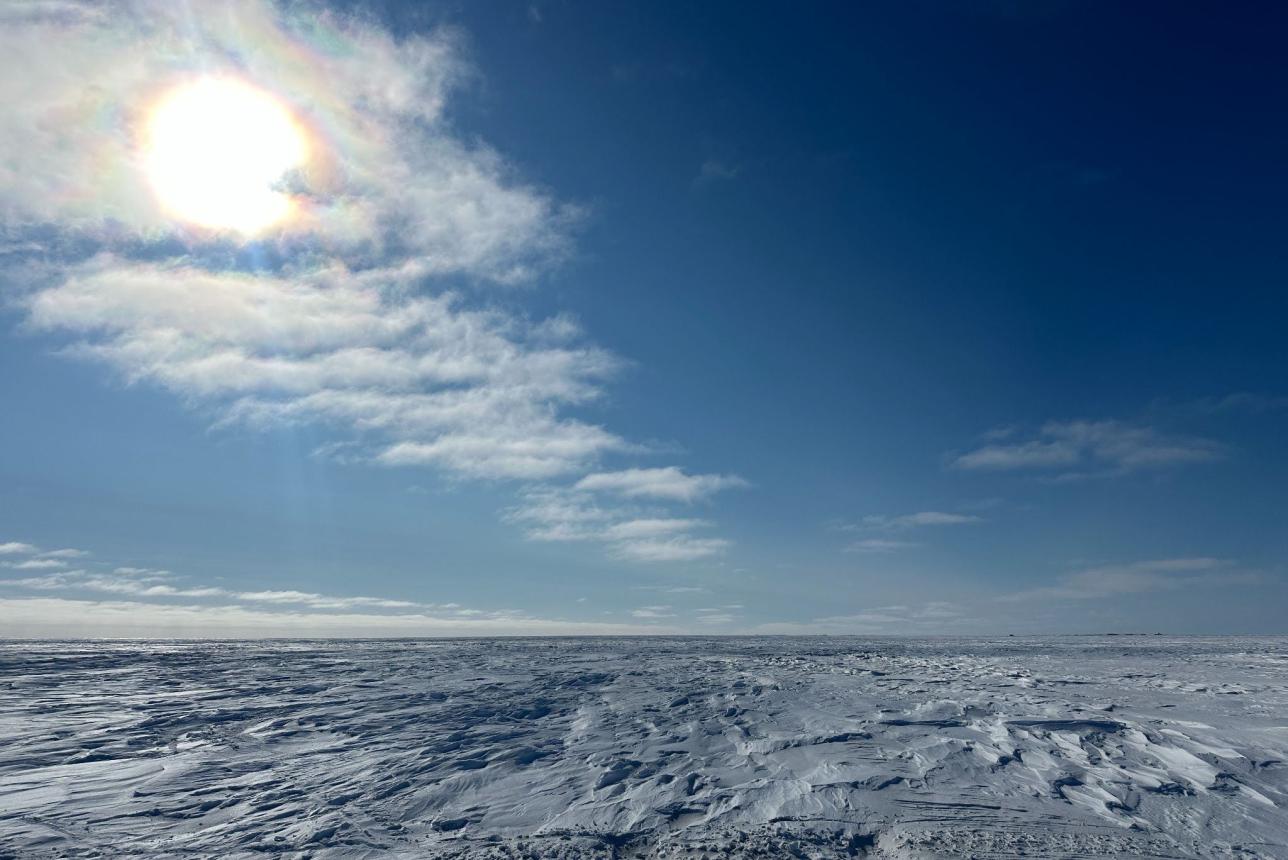 LTER-Seasonal controls and emergent effects of changing land-ice -ocean interactions on Arctic coastal ecosystems (BLE II)
Collaborators: Ken Dunton, James McClelland Bailey McMeans, Byron Crump, Katrin Iken, Jeremy Kasper, Vanessa Lougheed, Andrew Mahoney, Michael Rawlins, Yvette Spitz, Craig Tweedie, Timothy Whiteaker
Funding source: National Science Foundation
The Beaufort Lagoon Ecosystems (BLE) LTER program, founded in 2017, focuses on Arctic lagoon estuaries which host productive, biologically complex assemblages of biota that are inherently shaped by extreme seasonal variations in physical-chemical conditions and increasingly challenged by shifts in seasonality as well as other climate change impacts in the rapidly warming Arctic. In addition to the continuation of Core Program measurements, next steps toward answering long-term questions established during BLE I include:
- How and in what forms do freshwater inflows, land-derived nutrients, and sediments arrive in the lagoons?
- How does connectivity between lagoon and coastal shelf water vary over seasonal to interannual timeframes, and how will connectivity change in response to a shorter ice growth season and longer open water season?
- How are nutrient cycling and greenhouse gas exchanges within the lagoons controlled by variations in organic matter inputs and local production (phytoplankton, ice algae, and benthic microalgae) over seasonal to multi decadal timeframes?
- How do climate forcing and seasonal drivers influence biological processes in lagoon ecosystems and the humans that depend on them?
Previous projects
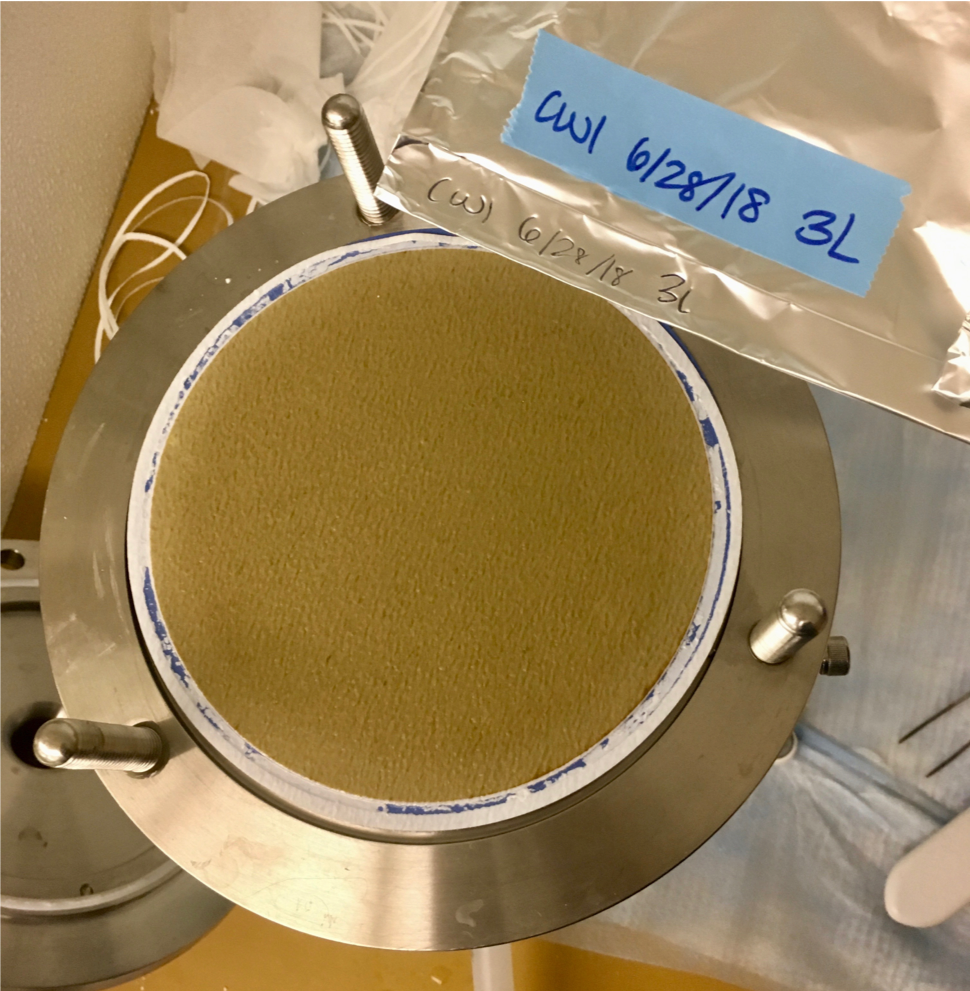 Influence of floods and droughts on particulate organic matter quality in a subtropical estuary, Texas
Collaborator: Zhanfei Liu at UTMSI
Funding Source: Texas Sea Grant, NOAA
Coastal systems along the TX Gulf Coast contribute enormously to the state’s economy, from activities such as travel and tourism and sustained commercial and recreational fisheries. These ecosystems are subject to extreme temporal and spatial variability in freshwater inflow conditions. The health and functioning of these systems depend on freshwater inflow to deliver materials necessary to support diverse estuarine life, not only fresh water but also nutrients, organic matter, and sediments.
In south TX, higher temperatures and drier conditions lead to very low base freshwater inflow to estuaries for much of the year, often multiple years, interspersed with sporadic pulses of precipitation and resulting high freshwater inflow events. This work aims to gain a quantitative understanding of how changes in freshwater inflow influence the quality of estuarine POM. In estuaries, POM is the base of the food web, so understanding how floods and droughts influence POM quality ultimately informs our knowledge of the POM that is assimilated and incorporated into pelagic and benthic food webs.
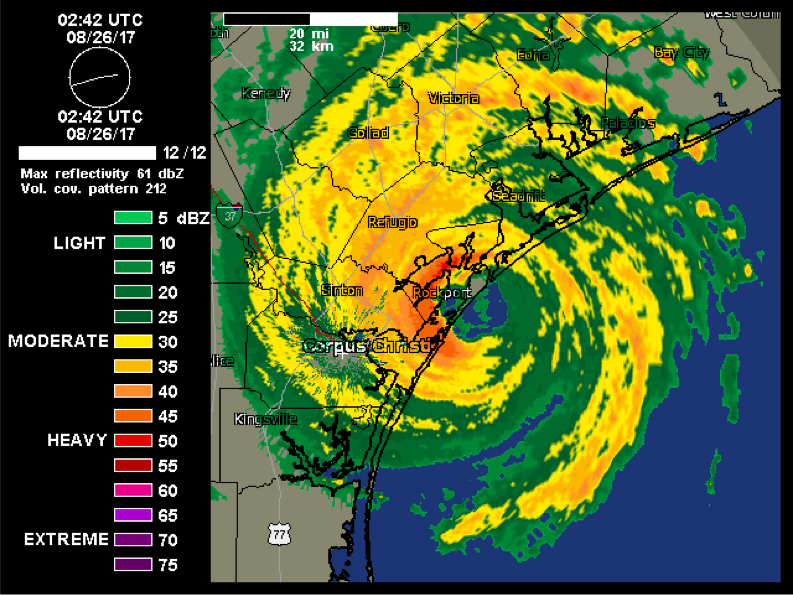 RAPID: The impact of Hurricane Harvey on water column and sediment biogeochemistry of the Mission-Aransas Estuary in south Texas
Collaborator: Zhanfei Liu at UTMSI
Funding: National Science Foundation Chemical Oceanography RAPID
Hurricane Harvey made landfall as a category 4 hurricane 10 miles north of Port Aransas, TX. With wind gusts up to 132 mph, it tracked directly across the Mission-Aransas Estuary (MAE), located within the Mission Aransas National Estuarine Research Reserve. The extremely strong winds, powerful storm surge, and heavy floods likely had profound impacts on biogeochemical processes within the MAE.
Our goal is to evaluate the impact of Hurricane Harvey on water and sediment geochemistry of the MAE over both short and long time frames.
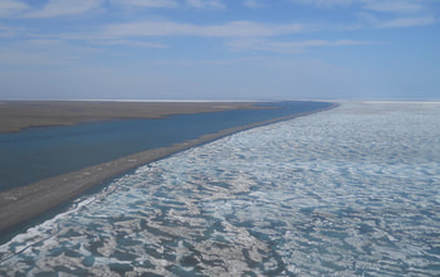 LTER: Beaufort Sea Lagoons: An Arctic Coastal Ecosystem in Transition
UTMSI Collaborators: Ken Dunton, Jim McClelland, Bailey McMeans
Funding Source: National Science Foundation Office of Polar Programs
We have established a new LTER focusing on Arctic lagoon ecosystems, which experience extreme variability in seasonal cycles and are subject to rapid shifts driven by climate change.
Our overarching question is: How do variations in terrestrial inputs, local production, and exchange between lagoon and ocean waters over seasonal, inter-annual, inter-decadal, and longer timeframes interact to control food web structure through effects on carbon and nitrogen cycling, microbial and metazoan community composition, and trophic linkages? Specifically, my lab will be involved in understanding how biogeochemical processes within the lagoons are linked to inputs of terrestrial organic matter, autochthonous production, and inorganic carbon and nitrogen cycling.
 Where a river slows: investigating the oscillic freshwater zone
Collaborators: Jim McClelland at UTMSI, Ben Hodges at UT Austin, Kevan Moffett at Washington State University-Vancouver
Funding Source: National Science Foundation Hydrologic Sciences
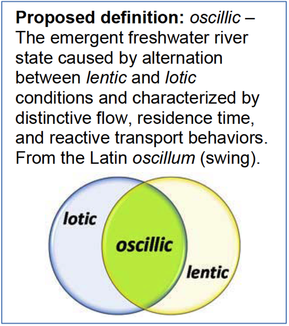
This NSF-funded project focuses on the “oscillic freshwater zone” (OFZ) where the river flow may slow, stop, or even reverse direction with the tide, but not an ounce of seawater is seen. We seek to define and investigate the OFZ as a unique section of a river that does not fit previous paradigms for rivers, lakes, or estuaries.
The project will combine physics and chemistry in two Texas rivers (the Mission and Aransas Rivers) through field, lab, and modeling efforts. From a biogeochemical perspective, we plan to characterize what effect the OFZ has on nitrogen and organic matter entering coastal waters. The OFZ, by virtue of its extended residence time, is likely transforming and removing nitrogen and organic matter before it reaches the coastal ocean.
The model developed through these efforts will be able to predict how future human and natural changes will affect these rivers and nutrient and carbon delivery to the coast.
Oscillic definition: the emergent freshwater river state caused by alternation between lentic and lotic conditions and characterized by distinctive flow, residence time, and reactive transport behaviors.
 Sediment nitrogen cycling in the Chukchi Sea
Collaborators: Nathan McTigue, Ken Dunton and Wayne Gardner at UTMSI
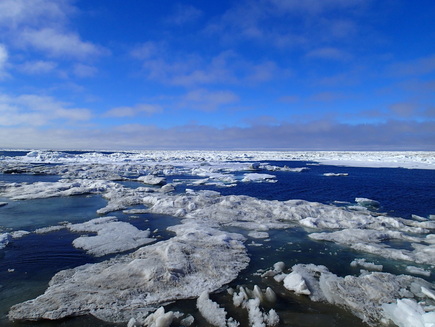
This project aims to understand sediment nitrogen cycling in the Hanna Shoal region of the Northeast Chukchi Sea, off the northern coast of Alaska, which has been identified as an area of significant biological importance. The research site has a very high abundance of benthic animals, making it a biological “hotspot” for this region. In summer 2013 we participated in a research cruise to the Hanna Shoal region with generous support from a grant awarded to Dr. Ken Dunton by the Bureau of Ocean Energy Management (BOEM). We conducted onboard sediment core incubations to measure detailed nitrogen cycling rates using stable isotope tracer (15N) techniques. Our primary focus is to understand whether the sediments are a source of nitrogen (via DNRA, remineralization) for this productive system or as a removal site for nitrogen (via denitrification, anammox).
 Denitrification, DNRA, and Anammox in the Environment
Collaborators: Jeremy Rich at Brown University and Anne Giblin, Joe Vallino, and Chris Algar at the Marine Biological Lab, Woods Hole
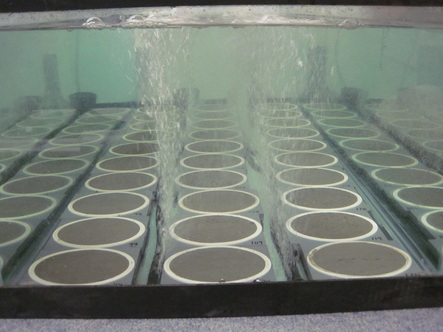
This project looks at the role of anaerobic ammonium oxidation (anammox) and denitrification as pathways by which fixed N is removed via N2 gas from marine ecosystems. Because anammox was discovered relatively recently, the role of anammox in the global N budget is still poorly understood. We are linking measurements of anammox rates with estimates of anammox bacterial biomass under varying environmental conditions in both field and lab settings in order to better constrain the controls (e.g., nitrate, temperature, organic matter) on anammox in marine sediments. I combine measurements of ladderane lipids, which are specific to anammox bacteria, with anammox rates that are measured using a modified 15N isotope pairing technique. This data will be incorporated into a quantitative biogeochemical model that will predict N flux through anammox and competing pathways based on key environmental drivers.
 Carbon and Nitrogen Cycling in Shallow Photic Systems
Collaborators: Iris Anderson and Liz Canuel at the Virginia Institute of Marine Science, Craig Tobias at the University of Connecticut
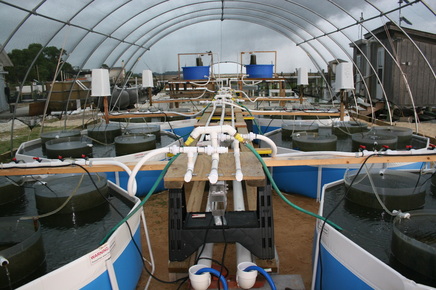
This research explores the pathways of C and N in shallow photic systems, where benthic plants such as seagrass, macroalgae, and benthic microalgae (BMA) often dominate production and nutrient cycling. Research is lacking on the role of sediment microbes (e.g., BMA, bacteria) in these systems due to methodological difficulties faced in studying microscopic organisms in sediments. To address this gap, my research focuses on quantifying microbial C and N uptake and retention using a dual stable isotope tracer (13C, 15N) and microbial biomarker approach.
I also assess the influence of human activities by analyzing how microbial N and C processing changed in the presence of ephemeral, “nuisance” macroalgae, considered a symptom of eutrophication in coastal systems. An important aspect of this research is understanding the degree of coupling between sediment bacteria and BMA, which may serve as a nutrient sink.