Coastal Biogeochemistry Lab

Principal Investigator Amber Hardison

Coastal marine ecosystems receive nutrient and organic matter inputs from diverse sources, making these sites of intense and complex biogeochemical cycling.  The aim of this lab is to understand the dynamic processes influencing carbon (C) and nitrogen (N) cycling within coastal systems and the impacts of human and climatic processes on these cycles. 

The lab's research approach combines novel isotopic and organic geochemical techniques in both experimental and field settings to study the sources and fates of C and N in estuarine and marine ecosystems and the role of  microbes in processing these nutrients.  So far, Amber's research has demonstrated the key buffering role that microbes play, both in terms of C and N retention in microbial biomass and N release through novel processes, such as anaerobic ammonium oxidation (anammox).

Interested in joining the lab?

If you are interested in becoming a part of the Hardison Lab, please get in touch with Amber Hardison.  Inquiries are welcome from high school, undergraduate and graduate students, postdocs, and volunteers.  

If you are considering being a graduate student in this lab, please first visit the Batten School admissions page. Note that applications are usually due in early December. VIMS also has an excellent summer REU program for undergraduates. Note that applications are due in February. 
Meet the Team

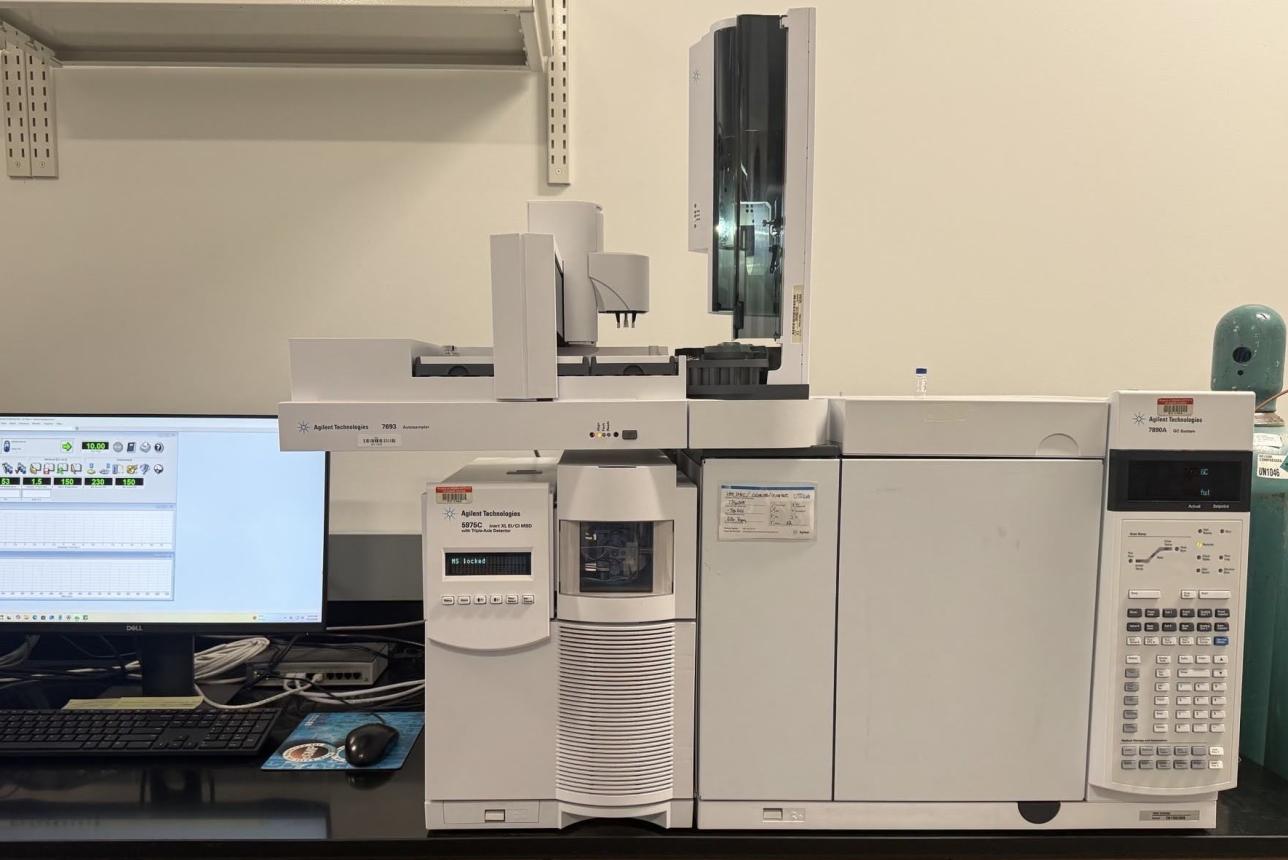
A GC-mass spectrometer for lipid analyses

Instruments and Equipment

A number of analytical instruments and equipment are used in the Hardison lab, including:

  • nutrient autoanalyzer for dissolved nutrients
  • membrane inlet mass spectrometer (MIMS) for N2  and O2
  • elemental analyzer for C and N content of solid samples
  • DOC/TN analyzer
  • gas chromatograph (GC-FID) for lipid analyses
  • GC-mass spectrometer (GC-MSD) for lipid analyses
  • DIC analyzer
  • oxygen microprofiling system
  • temperature, salinity, pH, and dissolved oxygen probes
  • freeze dryer
  • microbalance
  • accelerated solvent extractor (ASE)
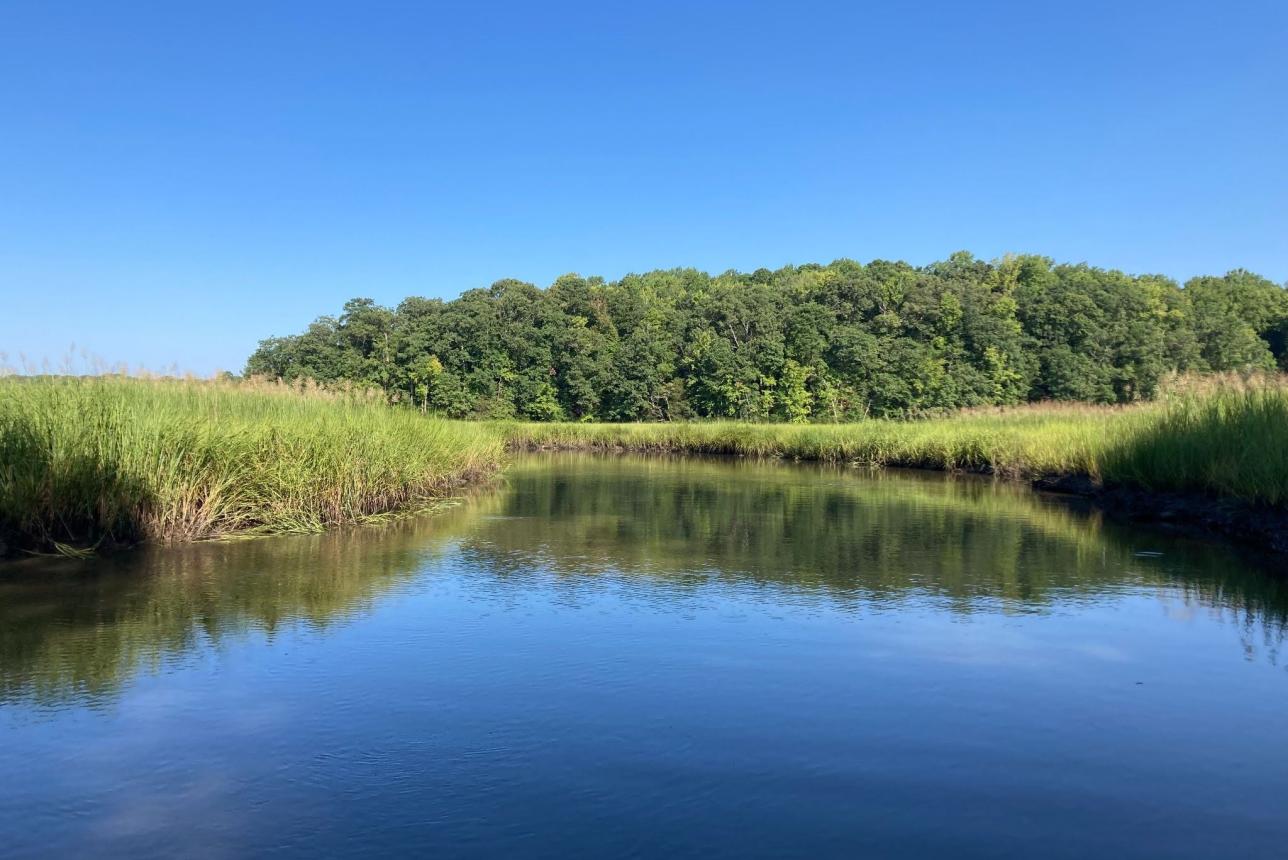
Taskinas Creek in York River State Park

How are estuarine carbon and alkalinity dynamics influenced by macrobiota?

The transfer of carbon and alkalinity from the land to the ocean is a fundamental process in the global carbon cycle. Before reaching the open ocean, the carbon and alkalinity carried by rivers must pass through estuaries, where significant biogeochemical transformations take place. Many of these transformations are dominated by macrobiota, such as benthic fauna (e.g., bivalves), tidal wetlands (e.g., marshes and mangroves), and submerged aquatic vegetation (SAV, e.g., seagrasses and macroalgae). However, estuarine biogeochemical models and estimates of land-to-ocean fluxes of carbon and alkalinity generally ignore macrobiota, creating a gap in our knowledge and predictive capability. The overall objective of this proposal is to improve understanding of the role that macrobiota play in estuarine carbon and alkalinity dynamics. 

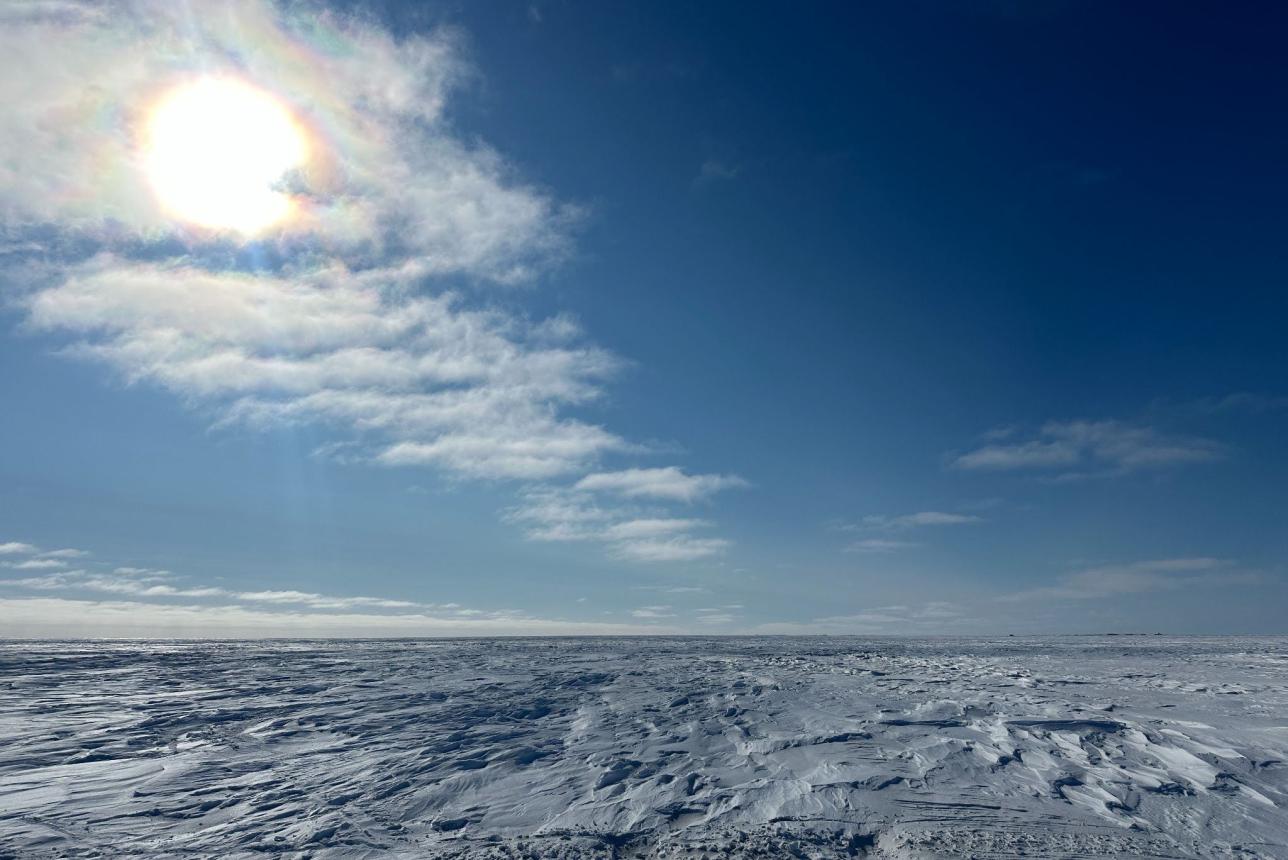
Northern Slope Alaska

Seasonal controls and emergent effects of changing land-ice -ocean interactions on Arctic coastal ecosystems

The Beaufort Lagoon Ecosystems (BLE) LTER program, founded in 2017, focuses on Arctic lagoon estuaries which host productive, biologically complex assemblages of biota that are inherently shaped by extreme seasonal variations in physical-chemical conditions and increasingly challenged by shifts in seasonality as well as other climate change impacts in the rapidly warming Arctic.