

CBNERR-VA Monitoring

CBNERR-VA Research & Monitoring
CBNERR-VA promotes, supports, coordinates, and conducts applied research and monitoring that advances science-based coastal management in Virginia and the Chesapeake Bay. The Reserve provides a long-term platform for understanding estuarine conditions, tracking environmental change, supporting habitat restoration and conservation, and translating science for partners, including resource managers, educators, and the broader community.
Programs
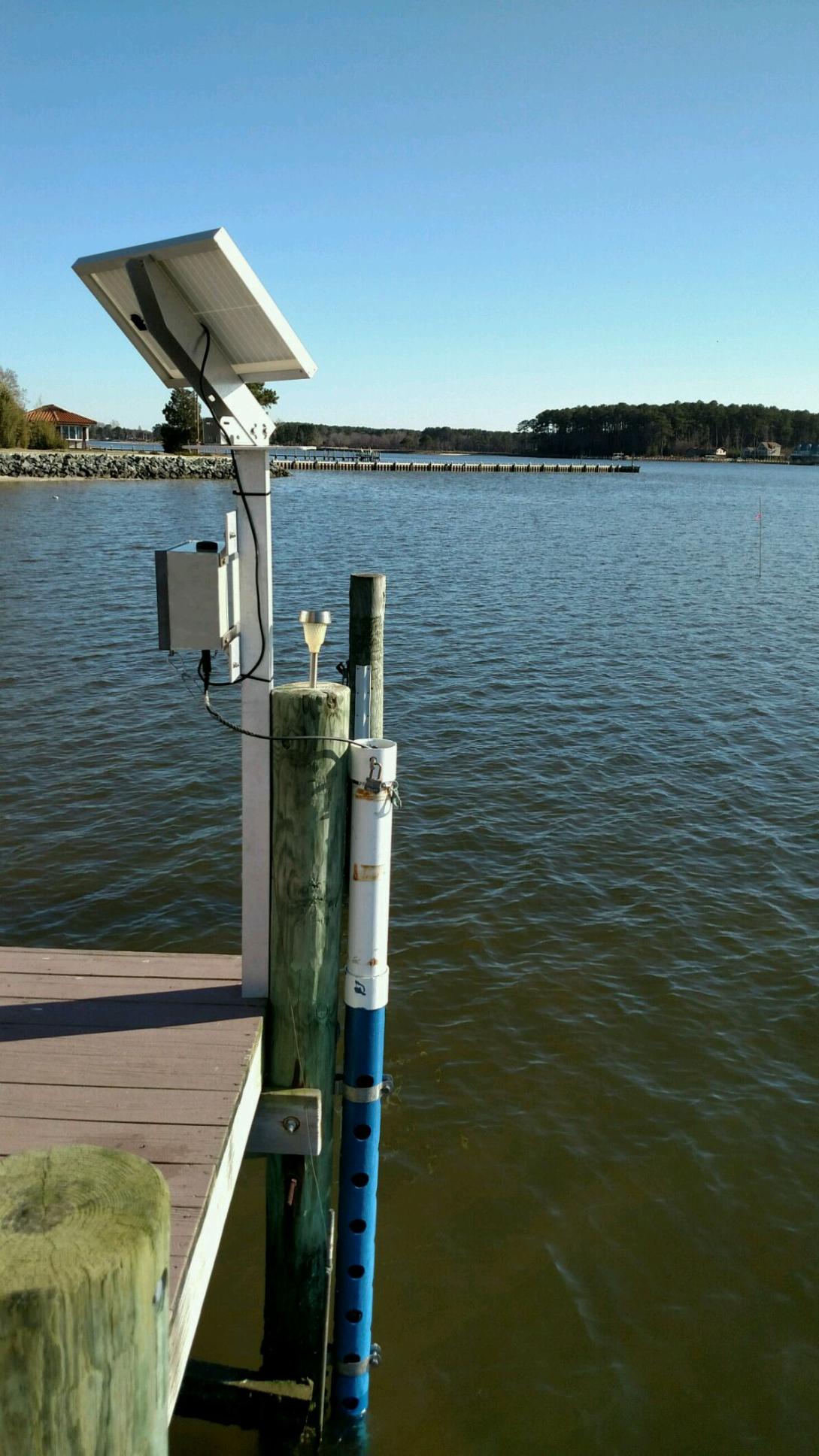
- Sensor-based, high frequency water quality observational network (>20 years)
- VA tidal waters
- Year-round, sentinel water quality monitoring stations
- Dataflow
- Water Quality Data Portals (VECOS and CMC)
- Trends, Events, and Assessment
- Heatwaves, algal blooms, storms, hypoxia
- Habitat (SAV, oysters, fish)
- Water Clarity Standards assessment
- Technology
- Satellite integration
- Responsive Harmful Algal Bloom (HAB) monitoring
- R/V Tidewater DataFlow
- Hypoxia buoy array
- Manage 4 Sentinel Research Reserves
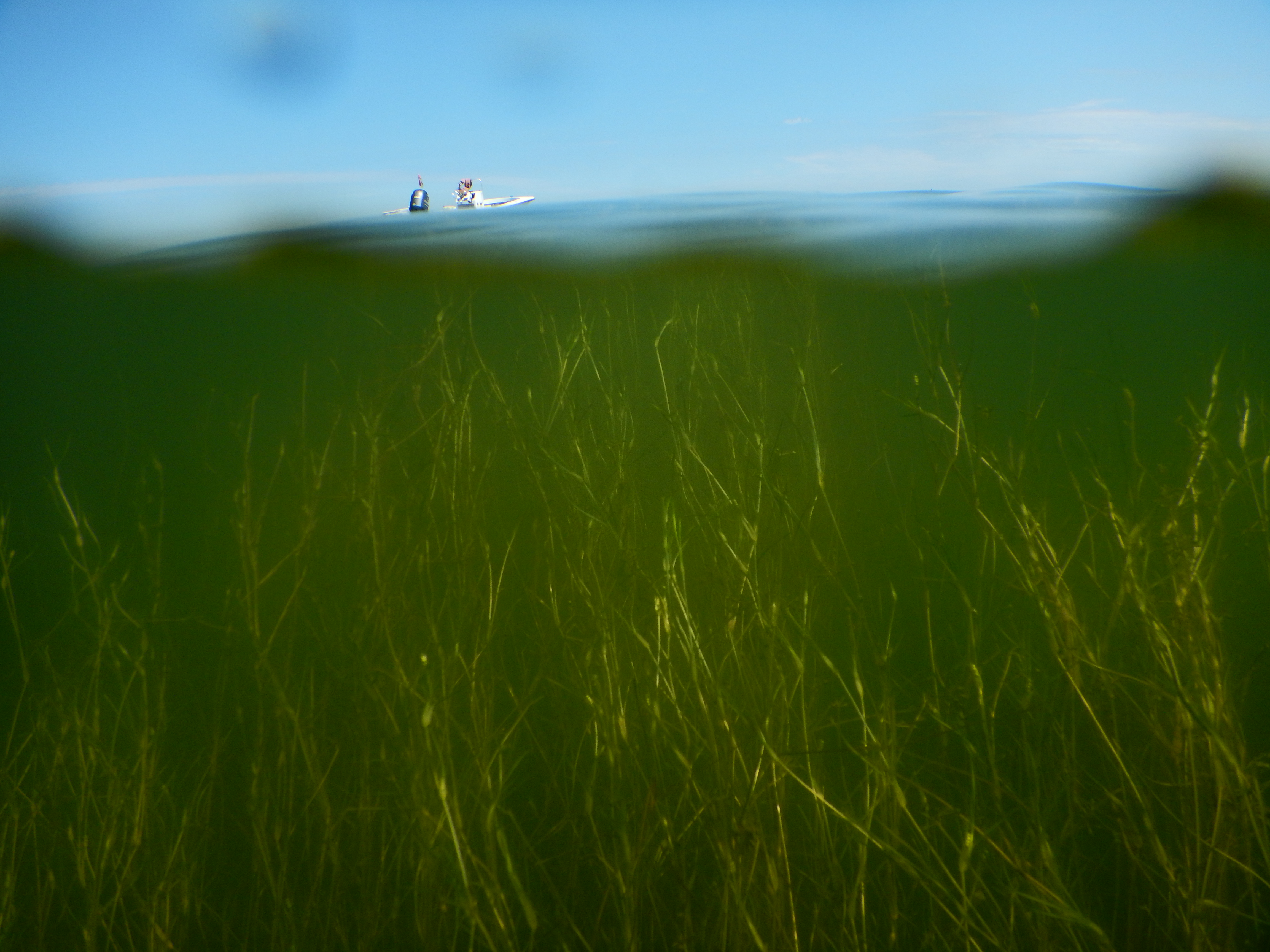
- Tidal marsh and Submerged Aquatic Vegetation (SAV) ecosystem monitoring (> 20 years)
- Tidal marsh surface elevation
- Marsh vegetation transects
- SAV transects
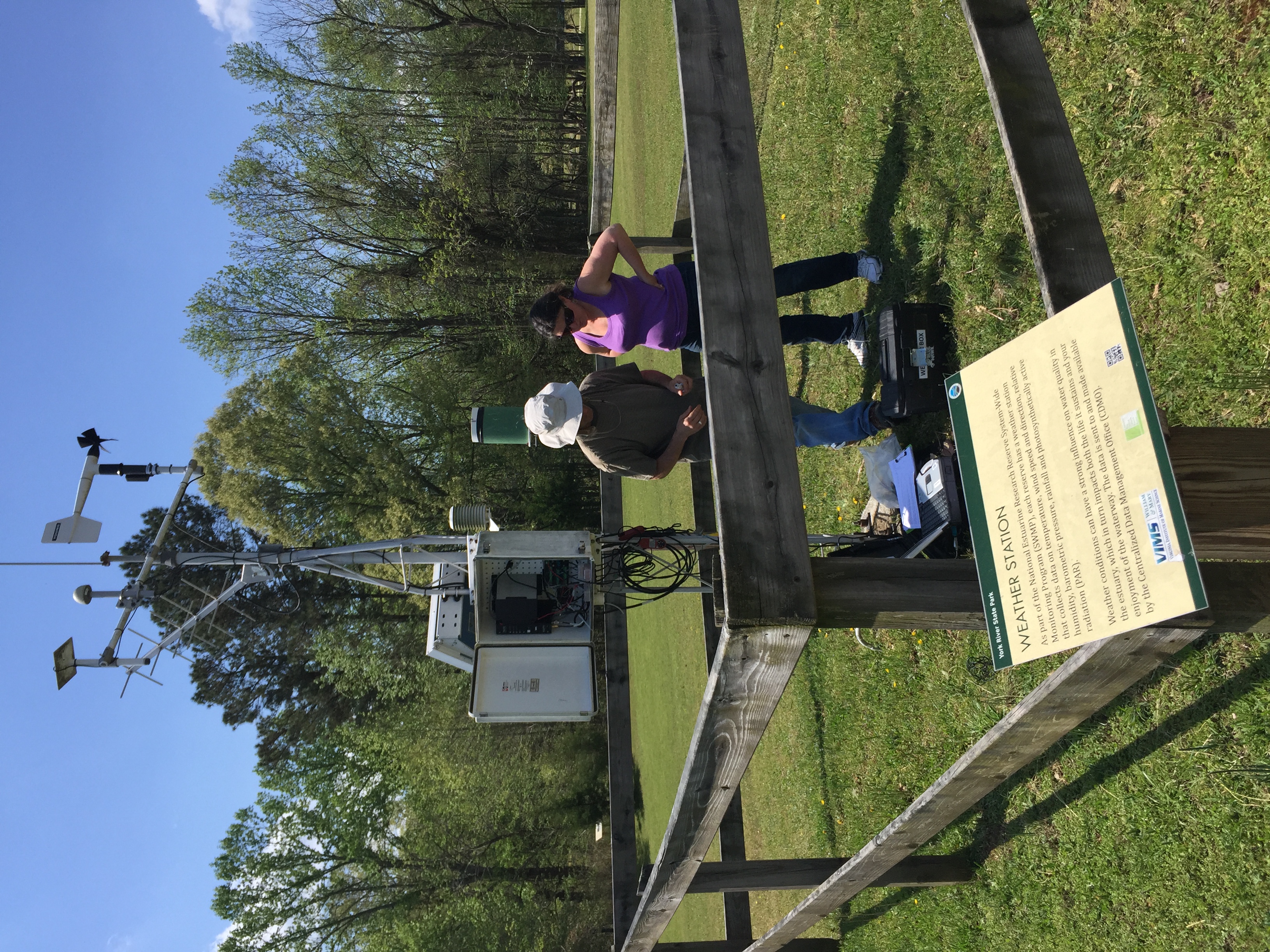
- Atmospheric
- Trends, Events, and Assessment
- Climate impact and sea level rise
- SAV vulnerability & resilience
- CBSSC SET Inventory and Data Analysis,
- Restoration Project Development and Monitoring
- Innovation & Advancement:
- Real-Time Kinematic (RTK) Satellite Positioning
- Digital Levels
- AUS platforms
- Tide Gauges
- Side Scan Sonar
- Drone Survey
- Surface Elevation Tables (SETs)
Publications and Projects
- CBNERR-VA Research & Monitoring Projects (2014-present) (pdf)
- CBNERR-VA Staff Publications (2014-present) (pdf)
- CBNERR-VA Research Bibliography (2021) (pdf)
- CBNERR-VA Research Bibliography (2006) (pdf)
Working with Us
CBNERR-VA works with a variety of partners, data users, and content consumers at local, regional, national, and global levels. If you are interested in working with us on research or anything else, here is a good place to start.
Research Permits
Our Reserves are a sentinel platform for understanding estuarine conditions and tracking environmental changeIf you are interested in conducting research at our Reserves, feel free to reach out to us with any questions or concerns. CBNERR-VA requires a basic research permit for conducting approved research at our research sites.
Student Fellowship and Internship Opportunities
CBNERR-VA supports several fellowships and internship opportunities designed to support students interested in working with the Reserve:
- NOAA Margaret A. Davidson Fellowship - Two-year fellowship program supporting graduate students to conduct collaborative research at one of the 30 national estuarine research reserves
- NOAA Ernest F. Hollings Scholarship Program - CBNERR-VA has a history of working with NOAA Hollings Scholars during the summer. This scholarship provides a great opportunity for undergraduates to work with the Reserve.
- CBNERR-VA Conservation Intern - CBNERR-VA periodically hires short-term Conservation Intern positions that typically work across Reserve Programs, often focused on Reserve research priorities. Opportunities are posted at William & Mary’s Job Portal
CBNERR-VA Data Requests
CBNERR-VA maintains several monitoring datasets collected as part of the programs described above. Data may be requested through the CBNERR-VA Data Request Form.
CBNERR-VA also provides access to environmental data through platforms including, but not limited to, our water quality data portals and the NERRS Central Data Management Office. The data in these platforms are a product of ongoing research and monitoring efforts on the Chesapeake Bay and its tributaries. Many individuals have contributed to the collection, processing, and management of these data. We respectfully request that data users acknowledge these efforts by citing the data they use in the manners outlined on each respective site, or in the manner suggested by the respective CBNERR-VA data provider.
Contact Us
If you have further questions regarding any of our Research and Monitoring Programs, reach out to us at cbnerr@vims.edu!