

Shallow Water Habitats
Physical Characteristics: Hydrodynamic Setting
 Waves, tides and current move and mix estuarine and coastal waters and
bottom sediments. The hydrodynamic setting affects the nature of water
exchange and the often determines the type of sediment that will be
found in a particular location.
Waves, tides and current move and mix estuarine and coastal waters and
bottom sediments. The hydrodynamic setting affects the nature of water
exchange and the often determines the type of sediment that will be
found in a particular location.
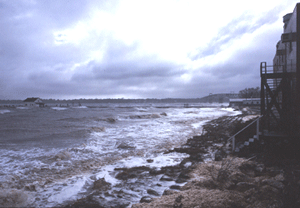
Open water areas
that are exposed to the effects of waves, tides, and currents tend to
have more water exchange, less chance of hypoxia or anoxia
and coarse (sandy) sediments. Because they are exposed to greater
tidal flushing and wave exposure, there is less potential for direct
impacts of pollutants in surface runoff and groundwater.
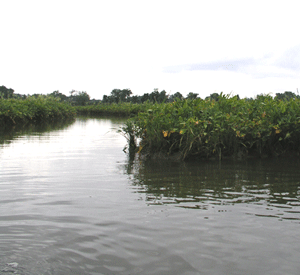
Protected
areas such as small tidal creeks, coves and lagoons have low exposure
to waves and may even have diminished tides. As a result, they tend to
have less water exchange and fine (muddy) sediments. Because these
areas also tend to be in close proximity to potential sources of
pollutants in surface runoff and groundwater base flow and because fine
sediments tend to retain more pollutants than coarse sediments,
protected areas have high potential for direct impacts from pollutants.
For further information about hydrodynamic processes in estuarine and coastal marine habitats refer to the following:
Mann, K. H. 2000. Ecology of coastal waters, with implications for
management. Blackwell Publishing; Chapter 2.3 – Physical structure and
functioning of estuaries
OzCoast and OzEstuaries website:
http://www.ozcoasts.org.au/conceptual_mods/index.jsp
http://www.ozcoasts.org.au/conceptual_mods/ about_sed_env.jsp