

Blue Catfish Index of Abundance
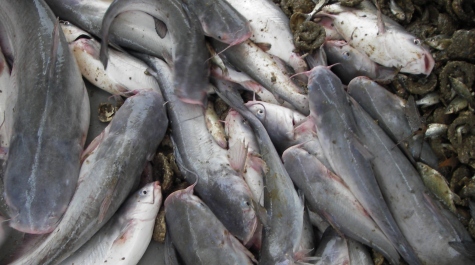
Blue Catfish
Blue Catfish were introduced to Chesapeake Bay tributaries in the 1970s and 1980s. According to Juvenile Finfish Trawl Survey data, Blue Catfish are currently more abundant in the James, York and Rappahannock rivers than either White Catfish or Channel Catfish. Blue Catfish have been collected by the survey in salinities as high as 21.8 parts per thousand.
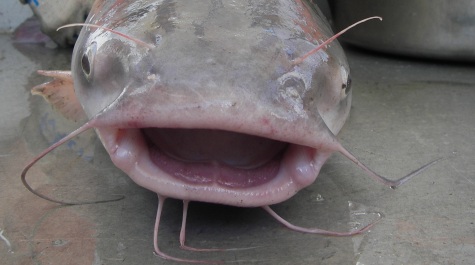
Blue Catfish Barbels
The barbels (or "whiskers", hence the name "catfish") around their mouth contain taste buds to assist in finding and tasting prey.
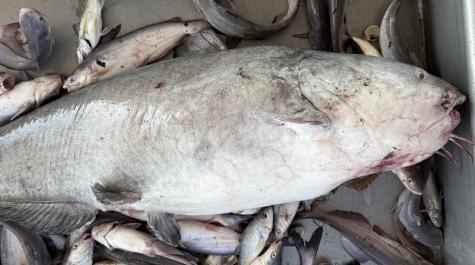
Large Blue Catfish
This specimen is the largest Blue Catfish documented by the Juvenile Finfish Trawl Survey. It was collected in the James River in 2025 and measured 107.5 centimeters (about 42 inches) in length.
Photo Credit: Jack Buchanan
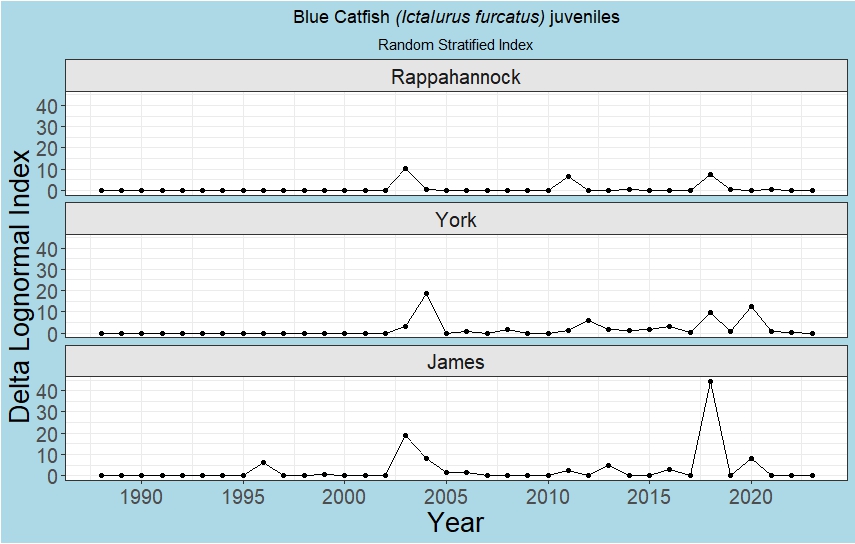
About the data
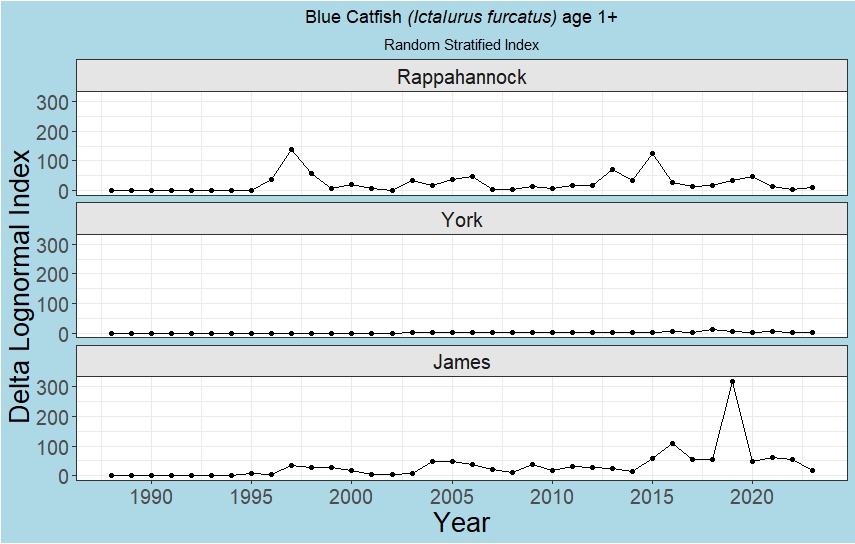
This species first recruits to the survey gear in August. Because Blue Catfish are restricted in their distribution, an index of abundance is calculated for each river. All stations in the rivers are used. In 2018, the recruitment window for young-of-year and age 1+ Blue Catfish was changed from the period of December to March, to the new period of September to November. The age 1+ index for this species contains several year classes. It may be possible to split individual age groups in the future for analysis.
The young-of-year cutoff values are as follows (index months are listed in bold):
- August: 0-115 mm.
- September: 0-130 mm.
- October: 0-130 mm.
- November: 0-130 mm.
- December: 0-165 mm.
- January: 0-165 mm.
- February: 0-165 mm.
- March: 0-165 mm.
- April: 0-50 mm.
- May: 0-50 mm.
- June: 0-75 mm.
- July: 0-100 mm.
Data collected after the transition to a new vessel and net in June 2015 have been adjusted by a species-specific calibration factor.