
TRAP Program turns lost fishing gear into lasting solutions as nationwide impact grows
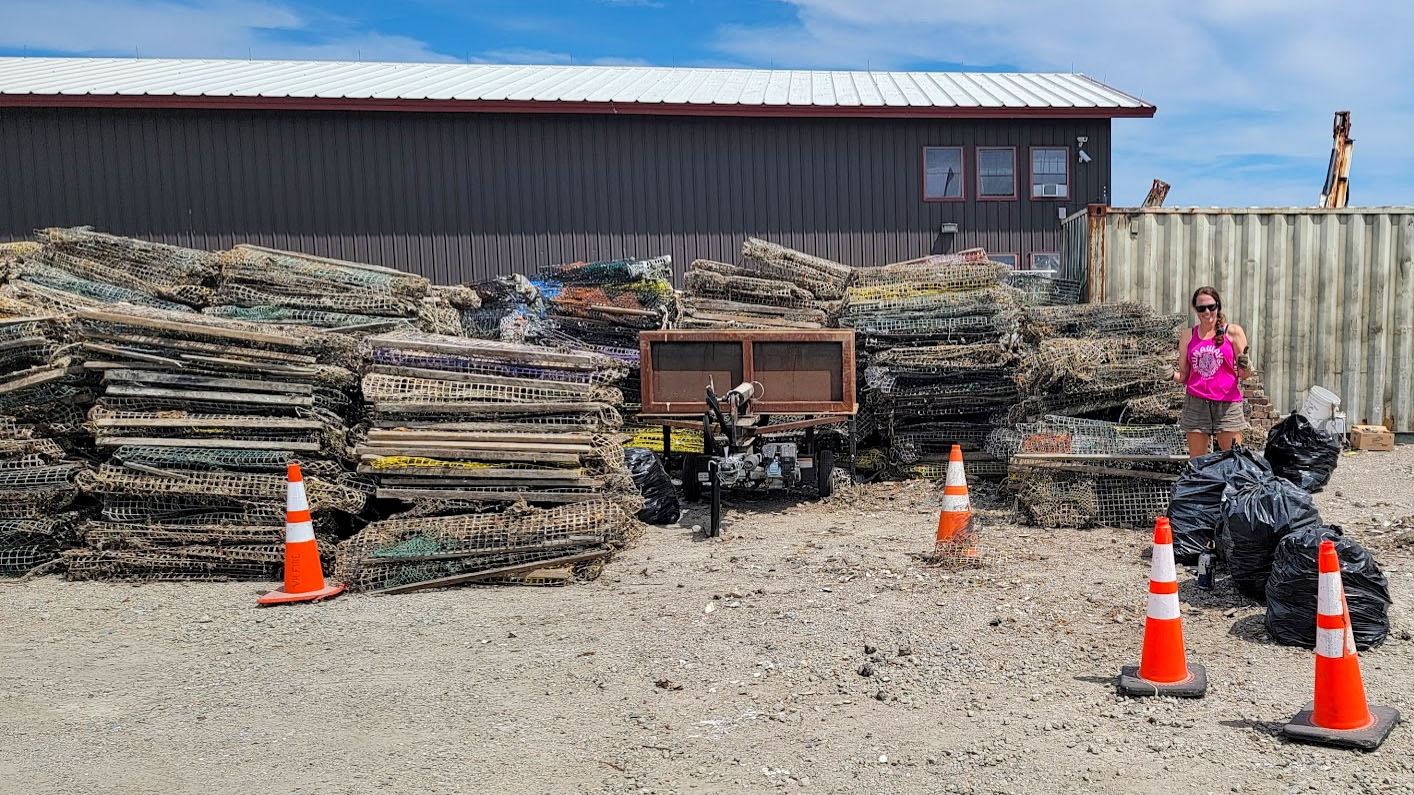
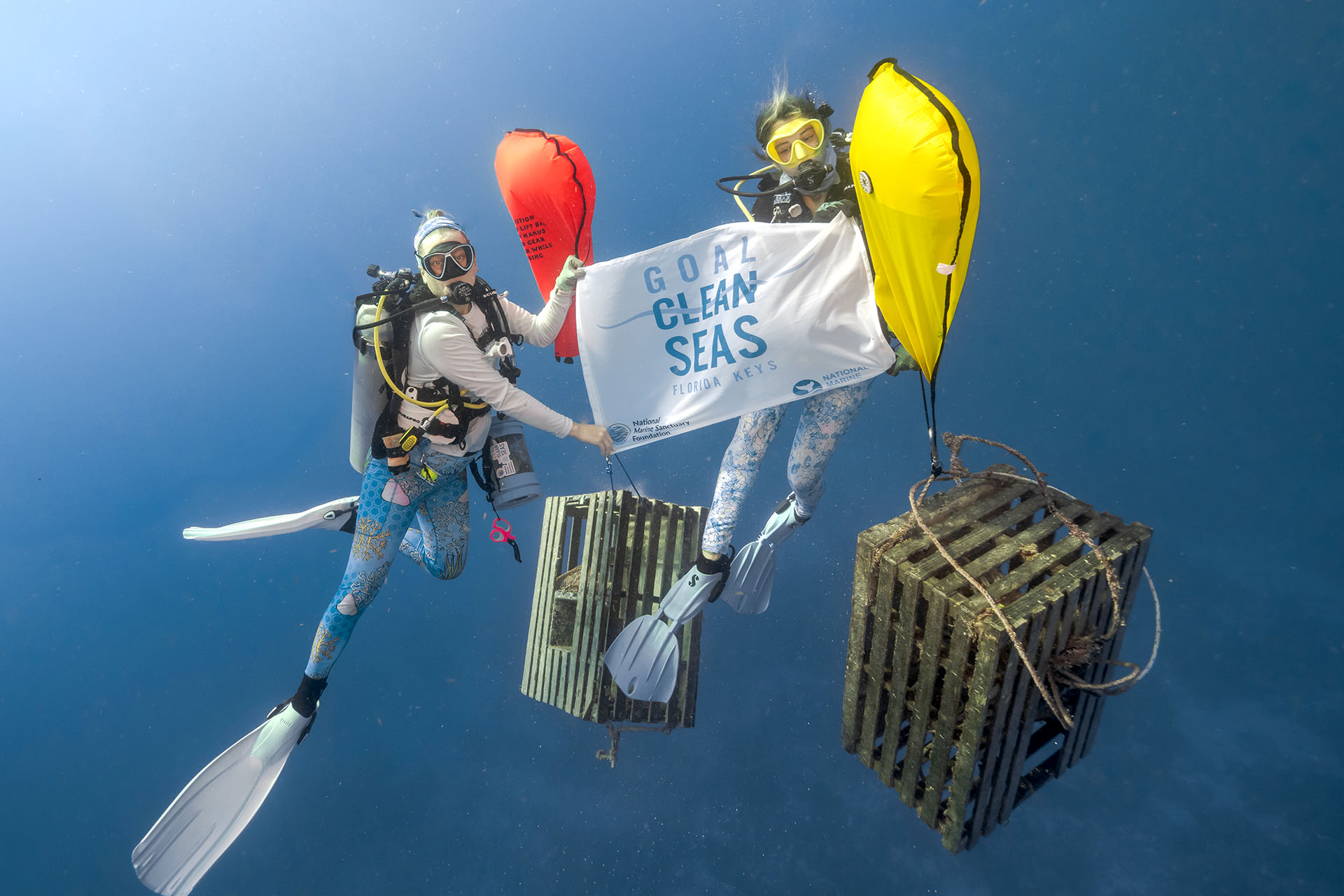 In just two years, the Nationwide Fishing Trap, Removal, Assessment and Prevention (TRAP) Program has recovered more than 24,000 derelict fishing traps weighing almost 600,000 pounds, supported more than 135 jobs and documented nearly 36,000 animals caught in “ghost traps” in 15 U.S. states and Freely Associated States.
Through the program’s third round of funding, William & Mary’s VIMS & Batten School is building on that impact by announcing 11 new projects across seven states. The latest round of competitive subawards will provide approximately $1.24 million for projects in Maine, Massachusetts, Maryland, North Carolina, Florida, Louisiana and California that are expected to remove another 15,450 traps while creating and sustaining 128 jobs.
Supported by a 2023 award from the National Oceanic and Atmospheric Administration’s (NOAA) Marine Debris Program and administered by the Center for Coastal Resources Management (CCRM) at VIMS & the Batten School, the TRAP Program takes a comprehensive approach to combating derelict fishing gear by combining removal efforts with support for coastal economies, nationwide data collection and research to inform long-term prevention efforts.
“Through the TRAP Program, we’ve seen people working in remote areas and sometimes deep underwater to remove legacy debris, partnering with fishermen to identify gear hotspots, and conducting at-sea removals in areas that are important to coastal communities,” said Jason Philibotte, director of NOAA’s Marine Debris Program. “The program acts as a force multiplier for NOAA, leveraging partnerships to scale our impact far beyond what we can achieve alone.”
 From Chesapeake Bay experience to national impact
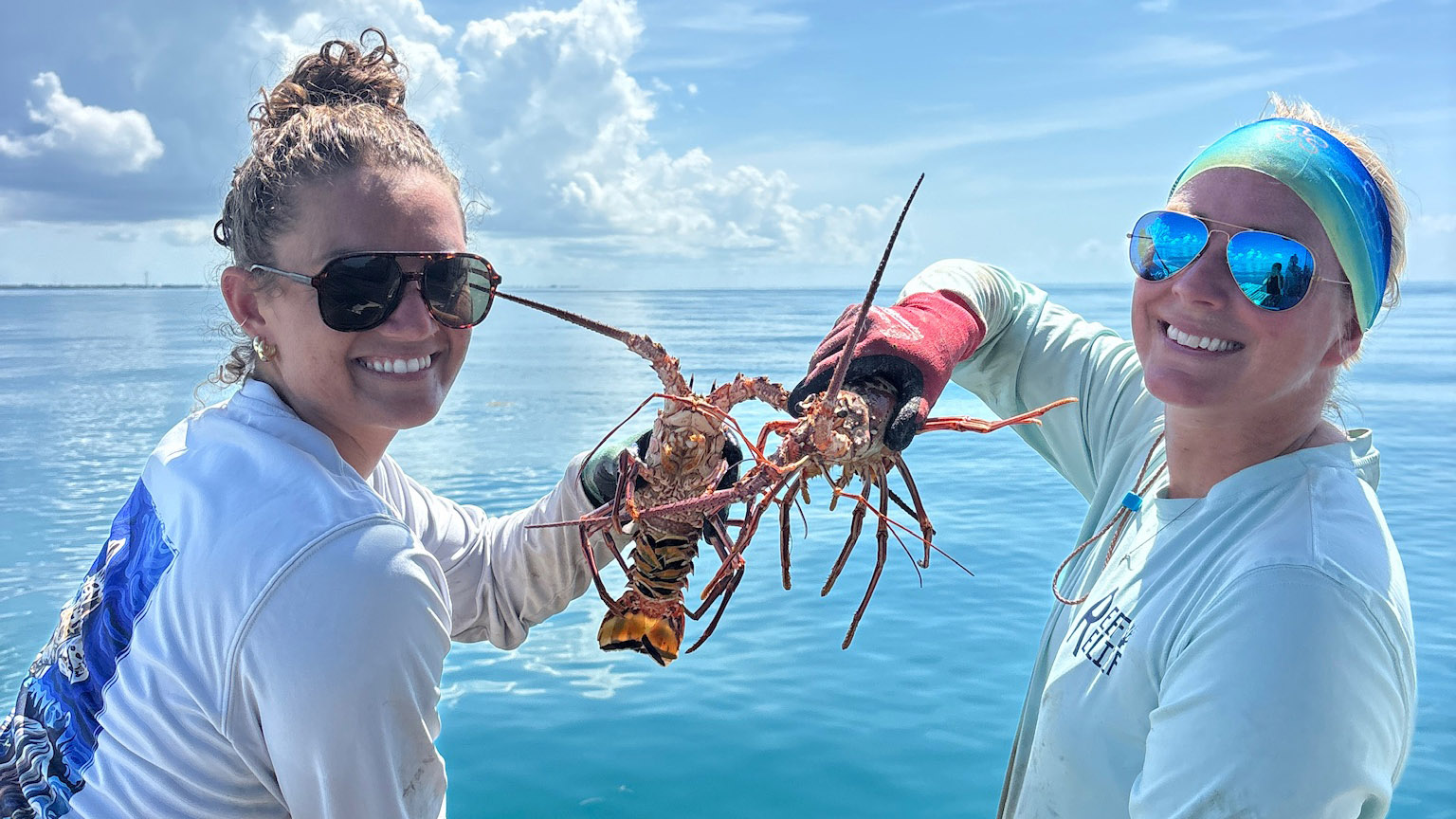
Derelict fishing gear can continue functioning long after it is lost or abandoned. These “ghost traps” capture both commercially valuable species and bycatch, damage sensitive habitats, pose navigational hazards and compete with actively fished gear.
The problem is one that VIMS researchers and Virginia watermen have worked together to address for nearly two decades. Beginning in 2008, VIMS partnered with the Virginia Marine Resources Commission and local watermen on a large-scale Chesapeake Bay removal program that ultimately recovered more than 34,000 derelict crab pots. Research following those efforts estimated that removing derelict traps in Virginia and Maryland increased blue crab harvests by 38 million pounds over six years, resulting in an estimated $33.5 million in additional harvest value for watermen.
That experience made VIMS & the Batten School a natural fit to lead the TRAP Program, and in 2023 they received an award from the NOAA Marine Debris Program to scale locally driven solutions for coastlines across the country.
“TRAP is a natural extension of what we mean when we talk about science for solutions at VIMS & the Batten School,” said Kirk Havens, CCRM director and professor at the Batten School of Coastal & Marine Sciences. “For years, we’ve worked alongside watermen and the fishing industry to understand and address the impacts of derelict gear. We’re excited to build on what we’ve learned through the first two years and work with this next group of partners to deliver even greater benefits for fisheries, coastal communities and ecosystems throughout the U.S.”
Those benefits can be tangible for the people who make their living on the water.
OceansWide, a Maine-based nonprofit and recipient of TRAP Program funding, has worked with lobstermen to locate and remove derelict gear from the Gulf of Maine.
“In the Gulf of Maine, there are spots that used to be famous for catching lobsters but stopped producing,” said OceansWide Vice President Mathew Louis. “After we cleared the ghost traps from these areas, the lobstermen would tell us that they’re finally catching there again. It demonstrates the impact of the ghost traps and how they literally compete against actively fished gear to reduce commercial landings.”
 Turning removals into knowledge
There are many benefits to removing abandoned traps, but a defining feature of the TRAP Program is what happens to the information collected along the way.
Program participants use standardized protocols to document their work, creating a growing national dataset on derelict fishing gear. One way data are analyzed is through the Policy Innovation Lab (PIL), a partnership between VIMS & the Batten School and the University of Georgia’s Carl Vinson Institute of Government. The PIL brings together researchers and students to examine the ecological and economic impacts of derelict gear and better understand why traps become lost or abandoned and how to manage the issue.
The goal is to translate lessons from the removal projects to inform state and federal policy that can improve prevention and mitigation efforts. The data also help researchers explore patterns in trap abundance, bycatch and ecological and economic impacts.
TRAP activities are producing other unexpected benefits.
In Virginia, commercial watermen who are removing derelict crab traps have simultaneously collected millions of bathymetric data points while operating their vessels in shallow areas of the Chesapeake Bay that are difficult and expensive to map through traditional surveys. This information, collected at little to no additional cost, is being provided to NOAA and the International Hydrographic Organization and will support coastal managers, mariners, and federal agencies working to improve how coastal waters are understood, represented, and leveraged for regional economic growth.
Philibotte pointed to the innovative collaboration as an example of how investments in marine debris removal can generate benefits well beyond the debris itself.
“The value of this work extends far beyond the traps being removed from the water,” Philibotte said. “The data, partnerships and lessons learned through the TRAP Program are helping us better understand the problem and develop more effective approaches to prevention as we look to the future.”
Announcing the next round of trap removal projects
The following 11 projects were selected for the third round of competitive TRAP Program subawards:
Captain Hook’s Marina and Dive Center, Florida ($52,738): Local divers will survey, map and remove derelict spiny lobster and stone crab traps from the Florida Keys National Marine Sanctuary through monthly cleanup dives while building local capacity for future marine debris removal.
Coastal Mapping & Sciences, LLC, Louisiana ($125,875): The project will combine side-scan sonar, live imaging sonar and traditional commercial vessel operations to locate and remove both visible and submerged derelict blue crab traps from coastal Louisiana.
Hill Fisheries, Massachusetts ($125,960): Commercial fishing crews and certified divers will remove derelict American lobster traps around Cape Ann and surrounding islands, reducing bycatch while returning identifiable, usable gear to its owners when possible.
North Carolina Coastal Federation, North Carolina ($125,970): Commercial fishermen will recover derelict blue crab traps during the annual blue crab fishery closure, providing off-season employment while improving coastal ecosystems.
Ocean Aid 360, Florida ($126,000): Building on the removal of more than 4,500 traps with previous TRAP Program support, Ocean Aid 360 will expand into new areas of the upper Florida Keys and Florida Bay with a goal of removing at least 3,000 additional stone crab and spiny lobster traps.
Oyster Recovery Partnership, Maryland ($99,056): Oyster Recovery Partnership will work with local commercial fishers to remove derelict blue crab traps from Herring Bay within the Chesapeake Bay while collecting information to better understand and mitigate their economic impacts.
Pacific Coast Federation of Fishermen’s Associations, California ($126,000): The nonprofit, composed of local commercial fishing organizations, will expand its Commercial Fishermen’s Gear Recovery Network to support on-the-water retrievals of lost Dungeness crab and spiny lobster gear along the California coast, reducing marine mammal entanglement risk and helping return lost gear to fishermen.
Passamaquoddy Tribe at Pleasant Point Reservation — Sipayik Tribal Government, Maine ($125,822): A Tribally led project will remove derelict American lobster traps from ancestral fishing waters in Passamaquoddy Bay, drawing on Traditional Ecological Knowledge to identify trap accumulation zones and directing project employment and contracted services to Passamaquoddy Tribal members.
Rauch Inc., Maryland ($126,000): Commercial watermen recruited through the Talbot Watermen’s Association will use pre-mapped locations and live imaging sonar to recover derelict blue crab traps around Eastern Bay and Tilghman Island, with recovered gear prioritized for reuse and recycling.
University of Florida, UF/IFAS Extension, Florida Sea Grant and Miami-Dade County, Florida ($125,555): Partners will remove blue crab, stone crab, and spiny lobster traps from Biscayne National Park and the Florida Keys National Marine Sanctuary while strengthening collaboration among resource managers, fisheries managers, and commercial fishers.
University of Florida, UF/IFAS Nature Coast Biological Station and Florida Sea Grant, Florida ($82,507): Working with the Florida Department of Environmental Protection, commercial crab fishers and local communities, the project will remove up to 900 derelict blue crab and stone crab traps from Florida’s Big Bend region following widespread gear loss from recent hurricanes.
Visit the TRAP Program website to learn more about the initiative and the impacts of removing derelict fishing gear from coastal waters.