

GCA Coastal Wetlands Scholarship Award Recipients
Congratulations to the 2026 Coastal Wetlands Studies Scholarship Recipients!
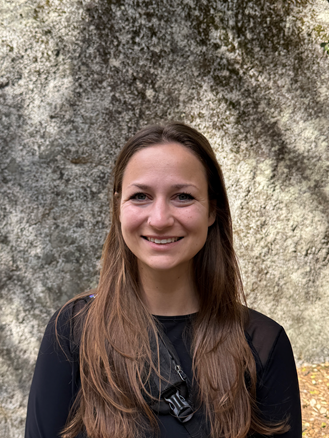
Leah Van Dyke
University of California, Santa Cruz. Anticipated graduation: 2028; PhD program
Research Title: Microbial Community Composition and Activity Across Stages of Wetland Restoration
Summary: Coastal wetlands are disappearing due to sea-level rise and human activity, despite their critical role in carbon and nutrient cycling and coastal protection. This project examines the microbial communities that drive these processes by comparing reference, restored, and flooded wetland soils to assess how sea-level rise and restoration alter microbial composition and activity.
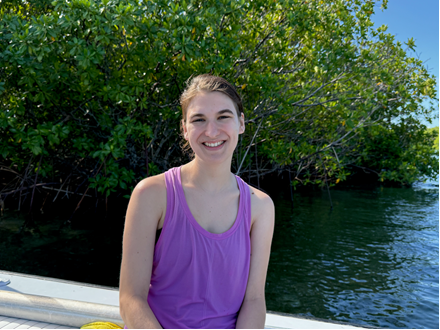
Alexandria Sangermano
University of New Hampshire. Anticipated graduation: 2028; PhD program
Research Title: Monitoring ecosystem recovery of impacted mangrove habitats using the Restoration Performance Index (RPI) in the Bahía de Jobos NERR.
Summary: This study involves the monitoring of mangrove habitats that have experienced degradation to quantify the trajectory of natural habitat recovery over a 2-year period. The goal of this project is to create an effective and reproducible mangrove monitoring protocol that can be used by the Jobos Bay National Estuarine Research Reserve for all future mangrove habitat monitoring and research.
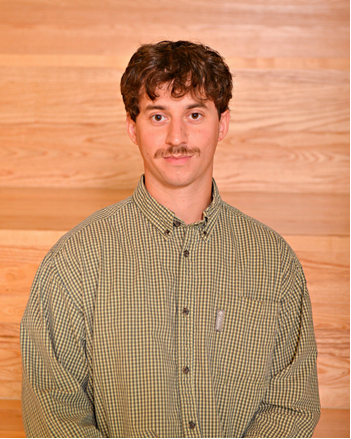
Andrew Balder
Auburn University. Anticipated graduation: 2029; PhD program
Research Title: Profiling coastal Atlantic white cedar swamps along the Northern Gulf Coast
Summary: Few Atlantic white cedar swamps remain in the Northern Gulf Coast due to past intensive logging, making it important to understand where they still exist, what condition they are in, and what are factors influencing their populations. This research will measure forest plants, soils, water levels, and salt exposure across several small coastal rivers to see how varying water conditions affect these wetlands. The goal is to provide practical information assist with wetland management decisions.
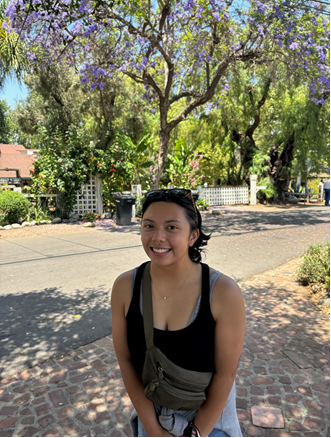 Kaitlyn Pounders
Old Dominion University. Anticipated graduation: 2027; Masters program
Research Title: Effects of Nr form on ecosystem service provisioning in restored marsh vegetation communities through plant functional traits.
Summary: The two major forms nitrogen in a coastal marsh, ammonium and nitrate, may be able to influence how a restored coastal marsh provides valuable ecosystem services through different plant trait responses. Certain plant traits help to contribute to services such as shoreline stabilization, carbon capture, and carbon storage. However, how well plants are able to carry out these services in restored marshes may be influenced by the form of nitrogen they consume.
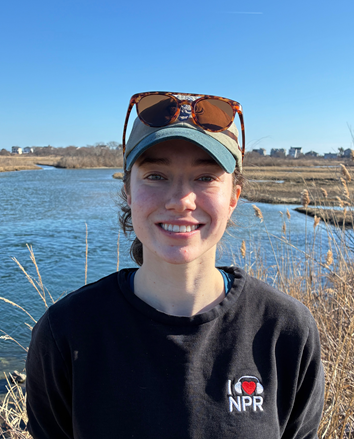
Maja Nielsen
University of Rhode Island. Anticipated graduation: 2027; Masters program
Research Title: Blue crabs' cascading impacts on salt marsh multifunctionality
Summary: This project aims to examine how changing blue crab population demographic traits (i.e., size and sex) affect induced ribbed mussel defensive traits (e.g., behavioral, morphological, and physiological), and the consequences for salt marsh stability and ecosystem functions (i.e. carbon storage and primary productivity). Through laboratory experiments, this research aims to fill the gaps in our understanding of these complex dynamics in order to inform future restoration and management efforts.
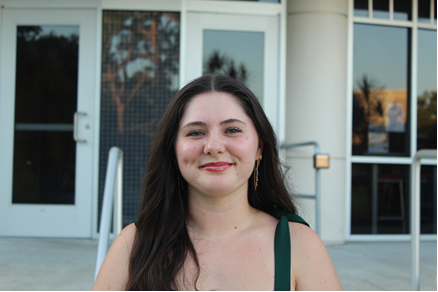
Research Title: Impacts of Climate-Driven Migration on Coastal Wetlands in Gulf of Maine
Summary: Marine organisms are migrating due to ocean warming into habitats that they have previously not been populated with. Such as salt marshes in the Gulf of Maine, where a fiddler crab, Minuca pugnax, is migrating to and is negatively affecting a common marsh plant, Spartina alterniflora, by their burrowing behavior. My research will analyze how migrations from ocean warming are affecting salt marshes' ability to persist against sea-level rise and outline how they may change in the future.
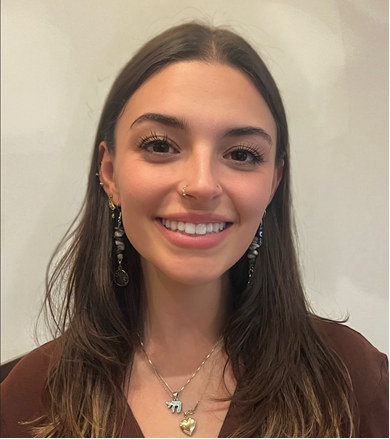
Research Title: Cascading Effects of Shorebird Biodiversity Loss on Burrowing Ecosystem Engineers and Their Impacts on Salt Marsh Ecosystem Functions
Summary: This study aims to predict the effects of continued shorebird biodiversity loss on coastal nutrient flux. By studying the effects of reduced bird presence on prey behavior (i.e, the mud fiddler crab, Minuca pugnax) and looking at the subsequent effects of this behavior change on various forms of carbon in the system, we can predict how bird extinction will affect short-term and long-term carbon flux in marine and coastal ecosystems.
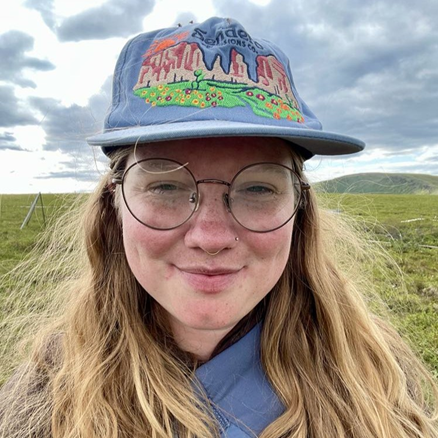
Research Title: Ecology of a Moving Ecotone: The Role of Functional Traits and Community Composition in Black Mangrove Expansion
Summary: Like many ecosystems, coastal wetlands are undergoing redistribution as species track changing climate conditions. In Florida, mangrove forests are expanding northward into temperate salt marshes, shifting a major coastal ecosystem boundary. My research examines how intrinsic (trait-based) and extrinsic (community-based) factors determine where and how this shift occurs in order to build predictive models and inform management strategies for these changing wetlands.