

Maya Thomas: Conducting research at the bottom of the world
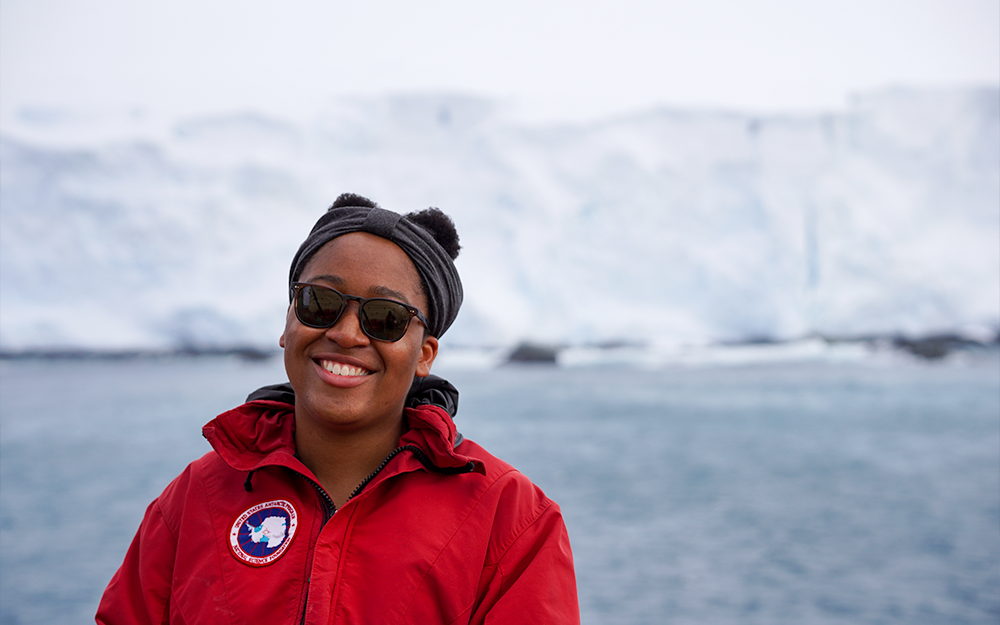 Maya Thomas Ph.D. ’26 traveled to Antarctica several times while at William & Mary’s Batten School & VIMS, something she describes as “special and magical.” Those excursions enabled her to study zooplankton ecology in the Western Antarctic Peninsula, one of the fastest warming places on Earth. As one of 17 Ph.D. students graduating in 2026, Thomas’ research focuses on how climate change is affecting krill and creating ripple effects across the entire food web, as well as how zooplankton waste moves carbon through the ocean.
Set to officially complete her graduate work in August, here’s what Thomas had to say about her time at the Batten School of Coastal & Marine Sciences & VIMS:
On choosing the Batten School & VIMS:
In 2018, I did a research experience for undergraduates (REU) at the Batten School & VIMS with Debbie Steinberg, who's now my advisor. That's what got me into zooplankton ecology. Once I did actual research, I realized this is what I want to do and this is where I want to come back for grad school. I liked my advisor and the other people in the lab, and this was a really well-established research program. I got to know the community, where everyone was so nice to me. It was lovely.
 On the close-knit community:
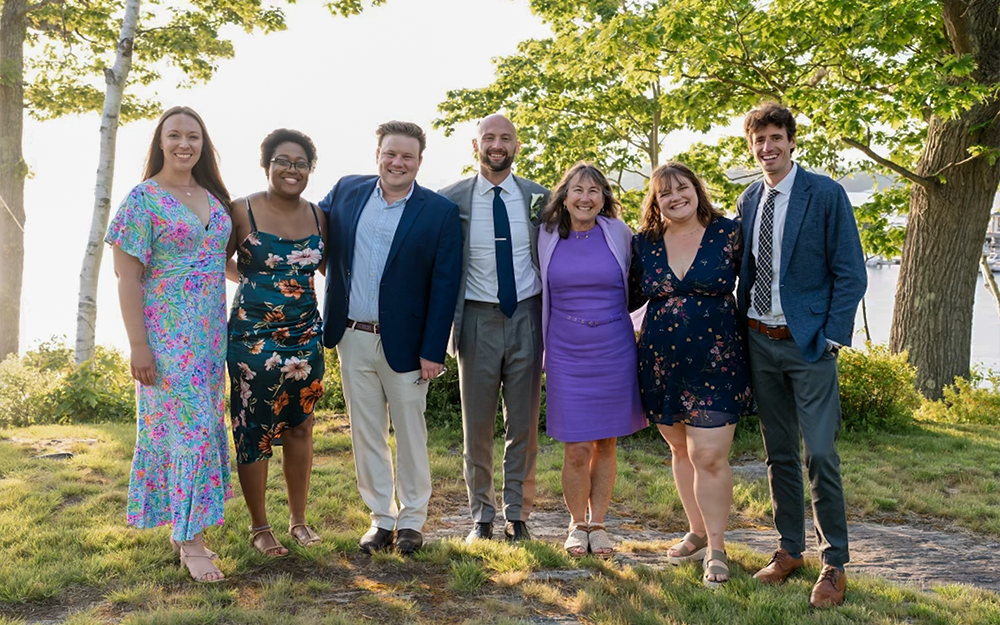
It really was a great place to study and to take classes with a lot of people who had a lot of different experiences. I started in 2020, during COVID, so it was especially important to have that sense of community. I was in Dive-In and the Graduate Student Association, and have also made friends with members of the faculty and staff. It’s been great to talk not only with our instructors, but other professionals who do other work like application and outreach.
On her most memorable moments:
I went to Antarctica four or five times, and that first time — leaving from the tip of South America, going through the Drake passage, seeing Antarctica, walking around and seeing penguins and seals — it’s hard to describe how special and magical that was, and fun too even though we were also working really hard at the research.
On support from mentors:
My advisor, Debbie, has been great. She's such an impressive person that it's almost intimidating, even though she’s so nice. She always expects the best out of you, and that motivates you to keep up to those standards. Another influential person has been Jennifer Dreyer M.S. ’04, who was in charge of the REU program when I came here as an undergrad. When I came back, she was so excited, and she's been a great mentor and friend to me this entire time.
 On her primary field of study:
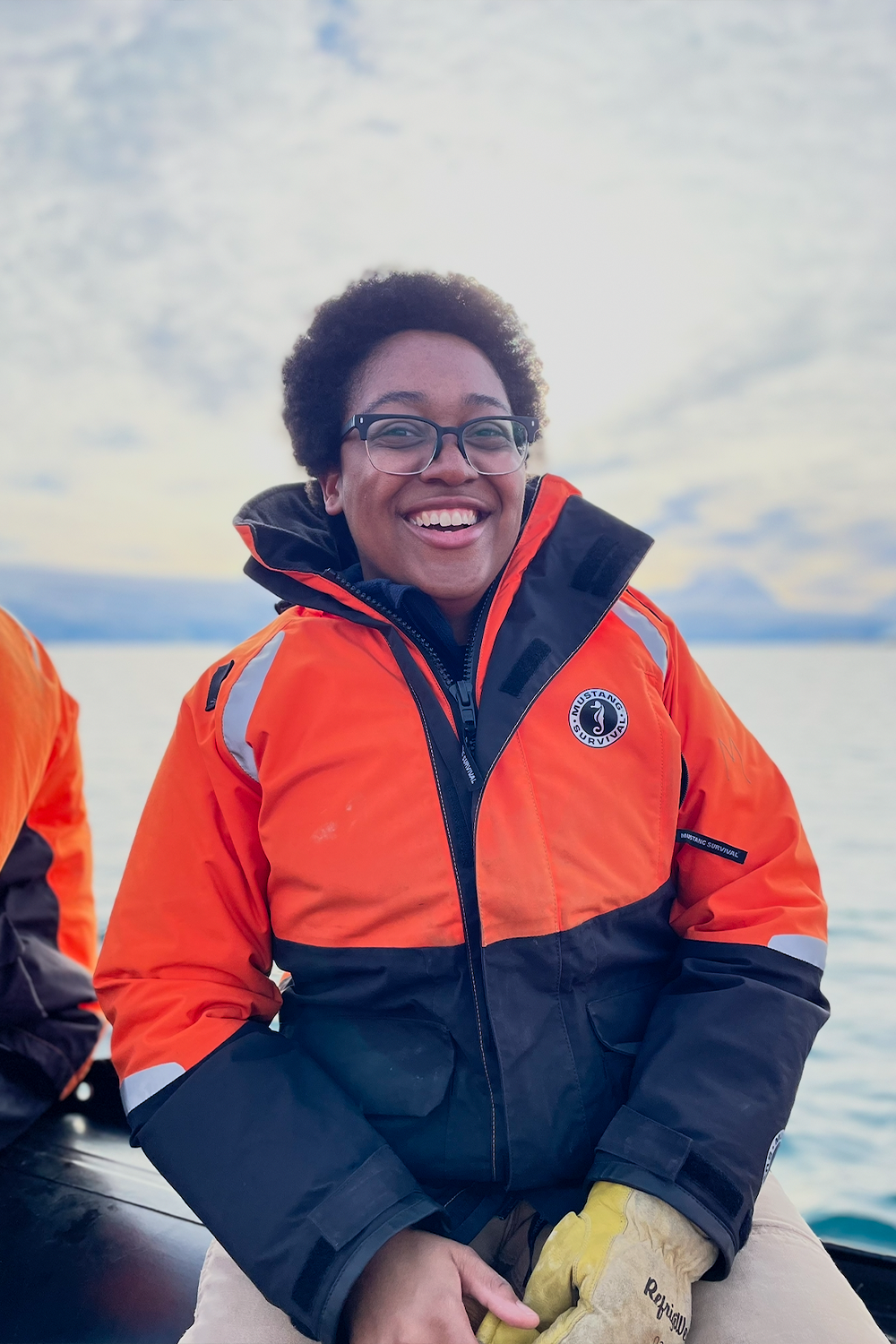
I study the zooplankton ecology — those small, weird, more animal-like drifters that can’t swim against the current — in the Western Antarctic Peninsula, one of the fastest warming places on Earth. As part of the Palmer Antarctica Long-Term Ecological Research program, we examine how climate change is affecting zooplankton, especially Antarctic krill, and the ripple effects across the food web. I also study how zooplankton waste moves carbon through the ‘biological pump,’ looking at where it goes and how deep it sinks in the ocean.
On what’s next:
I'm very happy to say that after my Ph.D. defense in July, I’ll begin work as a postdoctoral research associate at the Louisiana Universities Marine Consortium (LUMCON), working with Dr. Kevin Du Clos in the Ocean Biofluids Lab. I will be studying the roles of gelatinous zooplankton in marine food webs and the interactions between these animals and their fluid environments using imaging and modeling techniques.
On advice for new graduate students:
Take a break, sometimes. You need a good work-life balance. When you take a real break, take real time off, you can come back with even more energy to do your work. And when you’re here, stay involved in the community. Say yes to things, because you never know what you’ll enjoy or what opportunities will come from that.
This alumni profile was published in April, 2026.