Atlantic cod - Gadus morhua
*Information from FAO Species Identification Guide Western Central Atlantic*

Size
Maximum size to 2 m and about 90 kg, but average size only around 60 cm with weights averaging about 2 to 3 kg in western Atlantic.
|
Diagnostic characters
Large fish to 2 m, commonly from 30 to 100 cm, with elongated body and moderately deep caudal peduncle. Top of head lacking V-shaped ridge. Mouth large with either upper jaw or lower jaw slightly protruding in many; teeth on vomer; small chin barbel present in most species. Long dorsal fin divided into 3 parts; anal fin in 2 parts; caudal fin well developed, truncate to forked; pectoral fins well developed, pointed; pelvic fins short, thoracic. Colour: variable, usually brownish to olive, or greyish to bluish dorsally, somewhat paler ventrally, belly often white, grey, or yellowish.
|
Habitat, biology, and fisheries
Primarily demersal, but becoming pelagic when feeding and spawning; found mostly over continental shelf in 150 to 200 m, but recorded to much greater depths (over 600 m). Prefers cold waters of 0 to 5C, but found in waters as warm as 15C. A species of considerable economic importance, but stocks in western Atlantic severely depleted and commercial harvest for the most part curtailed.Marketed fresh, frozen, dried, salted, and smoked.
Fecundity in most species high, depending on size of individual; spawning occurs in colder months, usually from late autumn to spring, depending on locality and water temperature. Most species voracious and omnivorous predators; food preferences include, but not limited to, fish, shrimp, crabs, squid, and various bottom invertebrates.Of little or no significance to fisheries.
|
Distribution
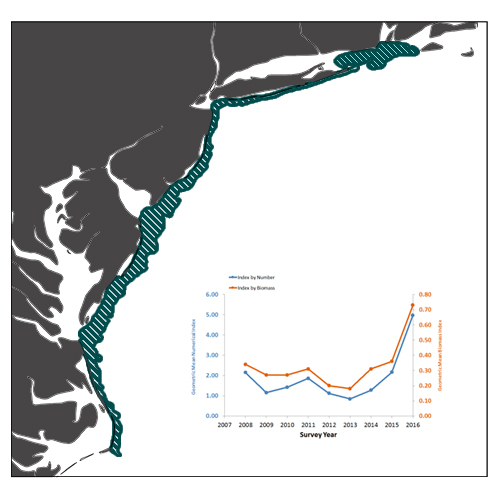
A boreal North Atlantic species ranging from North Carolina to Greenland, Iceland, across northern Europe, into Barents Sea including Novaya Zemlya and Spitzbergen; uncommon south of New York and New Jersey.
|